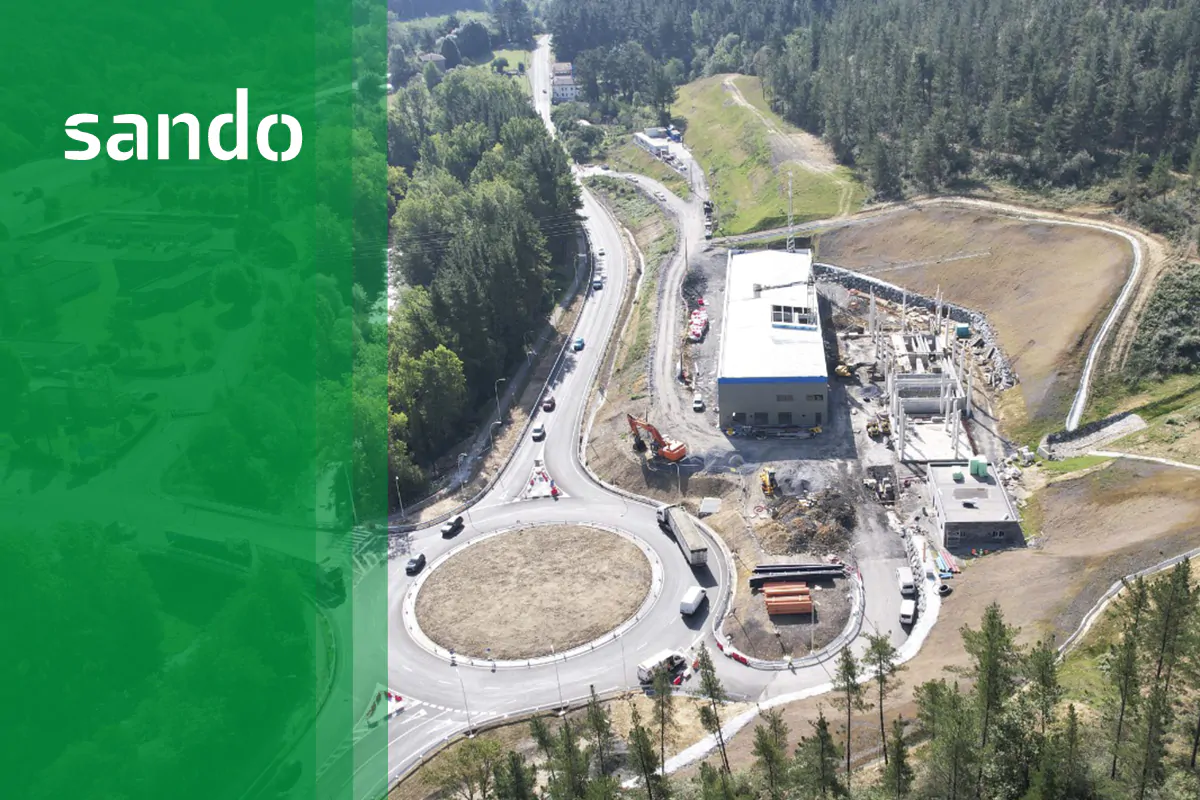
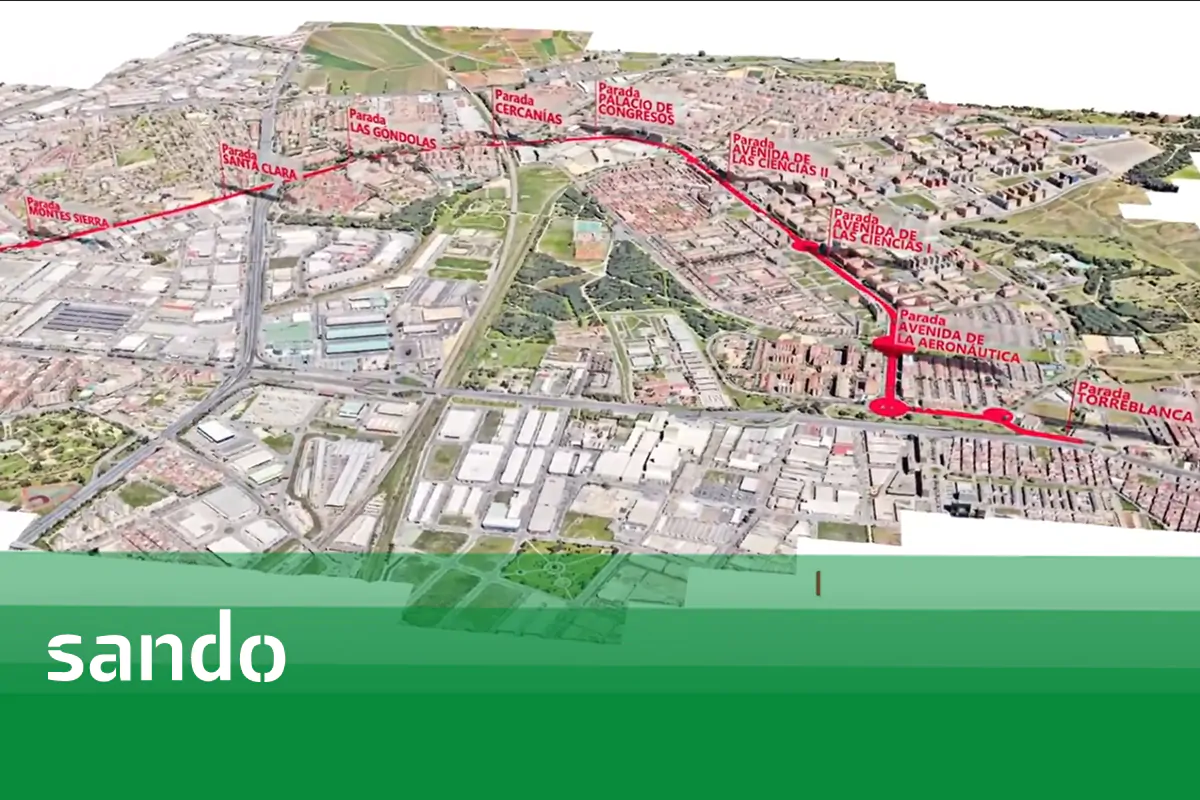
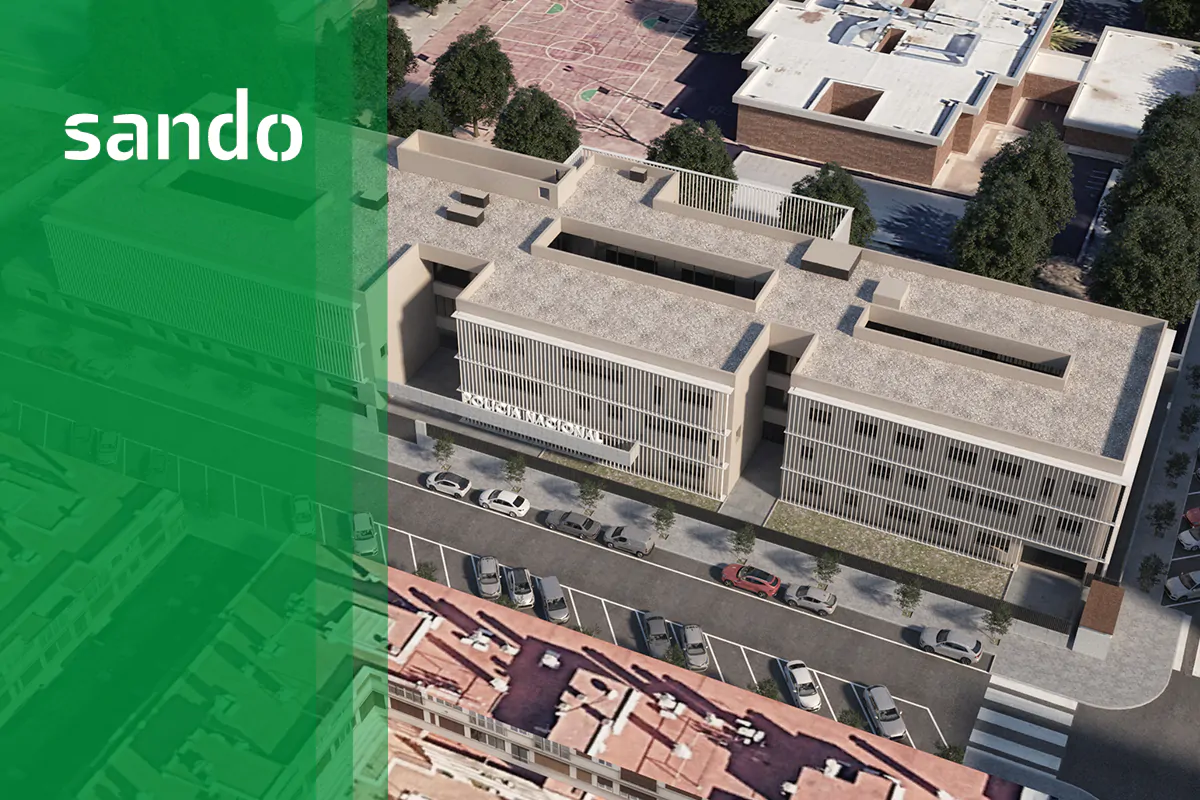
Transport infrastructure planning, construction, maintenance, and upkeep provide essential services to society. At Sando, we apply our knowledge, experience and results of our research projects to provide innovative, sustainable and efficient solutions to today’s mobility needs.
At Sando, through our brands specializing in transportation infrastructure, such as Sando Infraestructuras y Proyectos and Sando Conservación y Energía, we develop activities focused on citizenship and the Sustainable Development Goals.
In general terms, depending on the physical means by which transport is carried out, the following types of transport can be distinguished: land, inland waterway, sea and air. There are two types of land transport: road transport and rail transport. Multimodal transport is when using more than one means of transport for a single origin-destination journey.
Transport infrastructures are based on the design, engineering and construction of structures that enable the movement of vehicles and the transport of people and goods.. These transport systems include roads, motorways, railways, high-speed lines, airways, tunnels, airport and maritime transport terminals, railway stations and port structures.
Depending on the item being transported, there are two types of transport: freight and passenger. A distinction is made between public and private transport, depending on whether the transport service is generally available to citizens. Each type of transport is associated with a series of infrastructures with specific characteristics inherent to the means of transport that make mobility possible. Furthermore, in a globalised economic system, the transport infrastructures of different countries must be connected and have similar characteristics to allow mobility between them.
Transport infrastructures are the basis of the economy and sustainable development of the territory. . Therefore, a country must have adequate strategic infrastructure planning that leads to solid, reliable and sustainable transport infrastructure in a network that covers the entire territory. It integrates and connects all possible types of transport so that each journey is made optimally, i.e. by the most sustainable and efficient means of transport.
On the other hand, transport infrastructures must be resilient and adaptable, remain in service even in highly adverse conditions, and evolve to meet new needs and technologies.
As society and cities constantly evolve, so is the need for more efficient and sustainable transport infrastructure. The development and modernisation of infrastructures are beginning to play a transcendental role in promoting and consolidating mobility, but always bearing in mind the commitment to the environment through the commitment and investment in R&D&i to improve the execution processes used in the construction and maintenance of roads, motorways, railways, airports, ports…
At Sando Infraestructuras y Proyectos, the technical capacity developed has allowed us to carry out any engineering challenge inside and outside the country. The construction of transport infrastructure is one of our main lines of execution, where we aim to promote and build efficiently connected cities, whether through road, airport, maritime or rail transport networks.
We have participated in constructing practically all the high-speed lines planned in Spain,holding world records for daily progress with tunnel boring machines, and carrying out the longest tunnels in autonomous communities such as Valencia and Andalusia.
In addition to planning and construction, the conservation of the different transport infrastructures and, with special mention to road maintenance, is a necessary activity that involves a great commitment and responsibility with our environment and with our growing needs for the transport of goods and the mobility of people. At Sando Conservación y Energía we manage and develop the processes involved in the integral maintenance of the different transport and mobility structures. Improving the operation and quality of the transport network, maintaining its roadworthiness and safety, increasing its service life, and achieving greater efficiency and sustainability in the processes are some of our primary objectives.
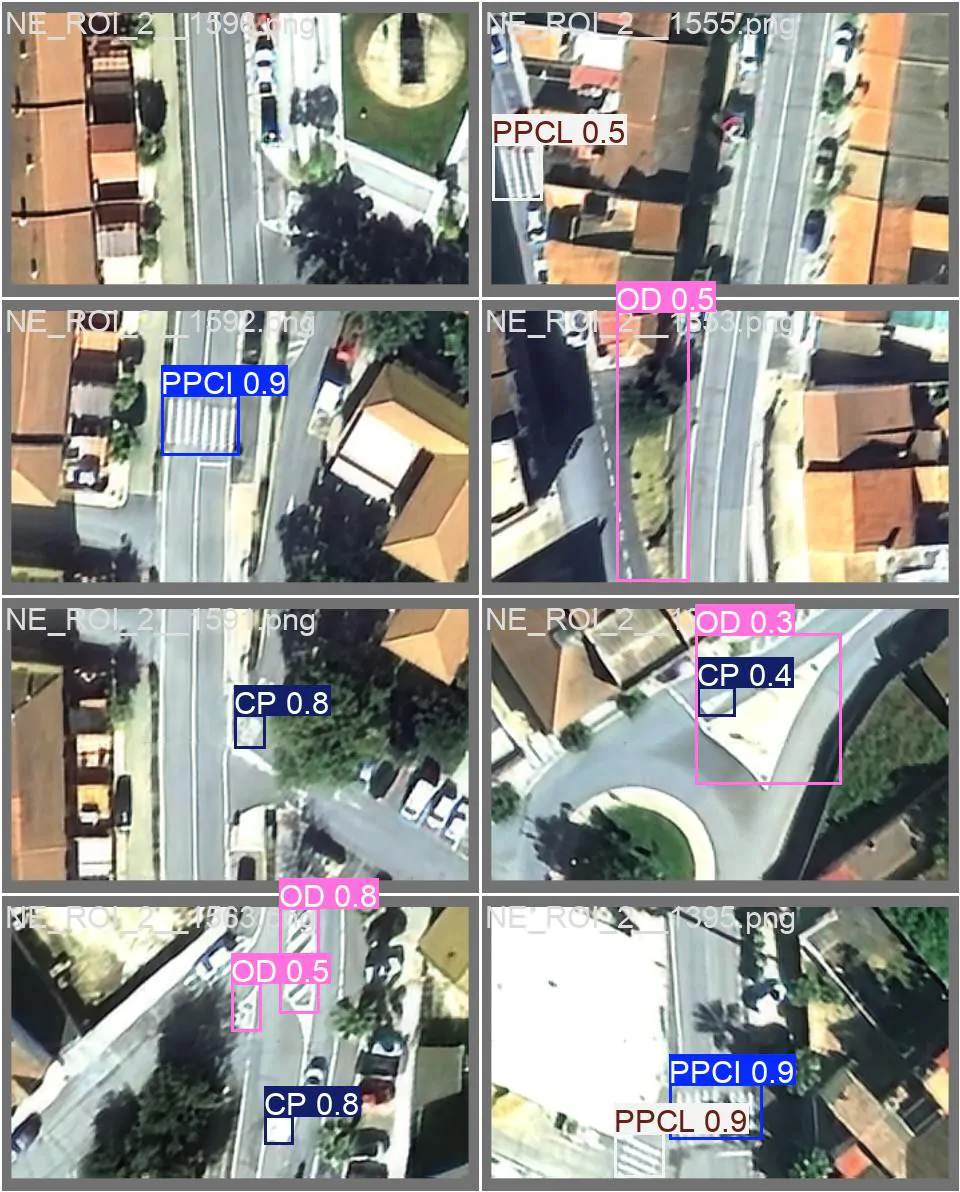
Some of our innovations in this line focus on developing in-house software for intelligent facilities management (CMMS) and adapting production plants for recycling pavements and mixes at low temperatures. I also created alliances with research centres and universities to develop new transport technologies with induction charging systems in motion (VICTORIA project and Electromove project) and in projects for autonomous management of infrastructures using sensors and intelligent lighting (Innovaodiel project).
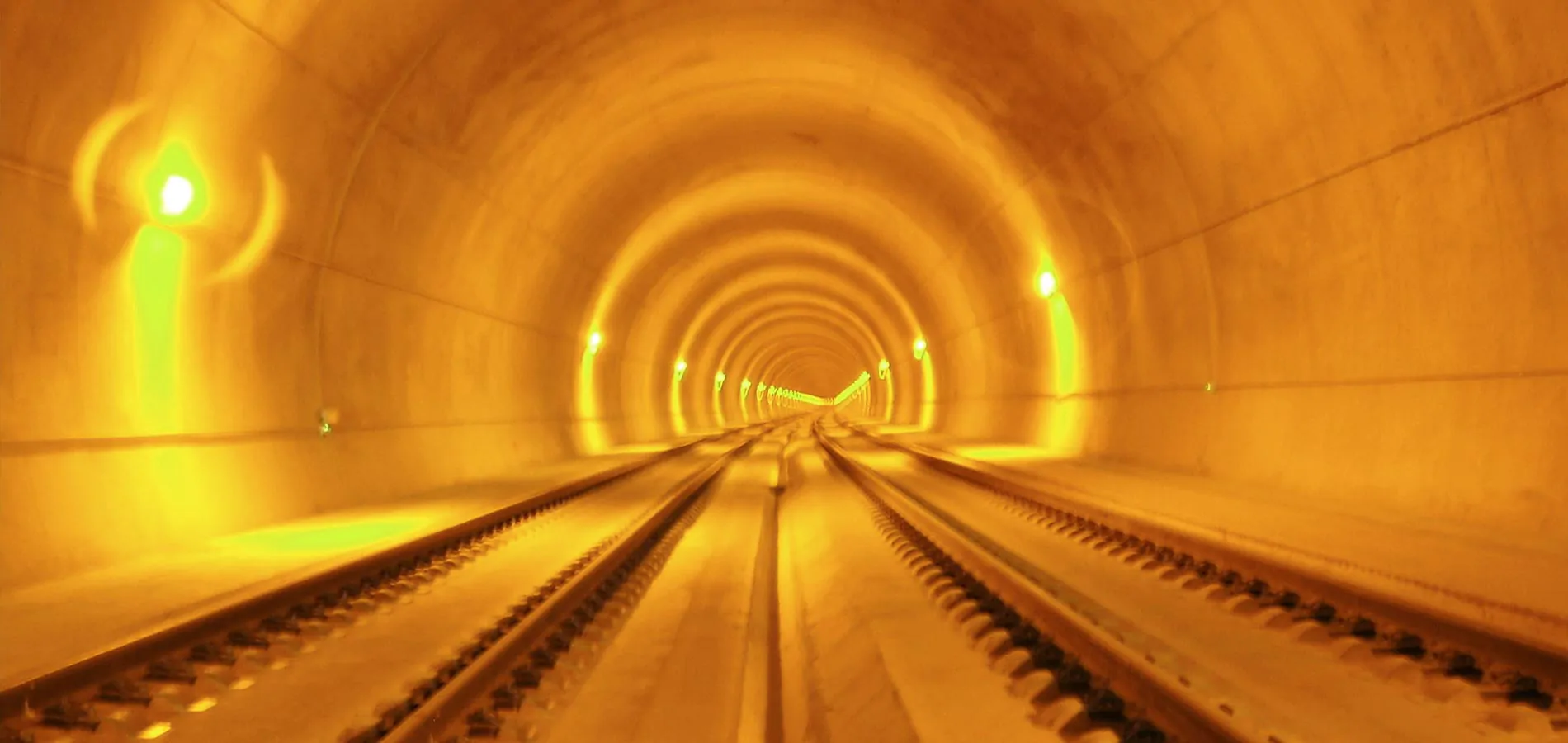
Transport infrastructures
Leading the way in constructing resilient and innovative transport infrastructures, ensuring maximum user safety
transport infrastructure
building the mobility of the future
Our experience and technical capacity have enabled us to develop significant engineering projects in transport infrastructures nationally and internationally.
Having participated in practically all high-speed lines in Spain, we have executed Titanic airport or maritime infrastructures and led projects of significant complexity to enable safe connections between transport structures.
We have two highly specialized brands, Sando Infraestructuras y Proyectos for the execution of sustainable infrastructures and Sando Conservación y Energía for subsequent conservation.
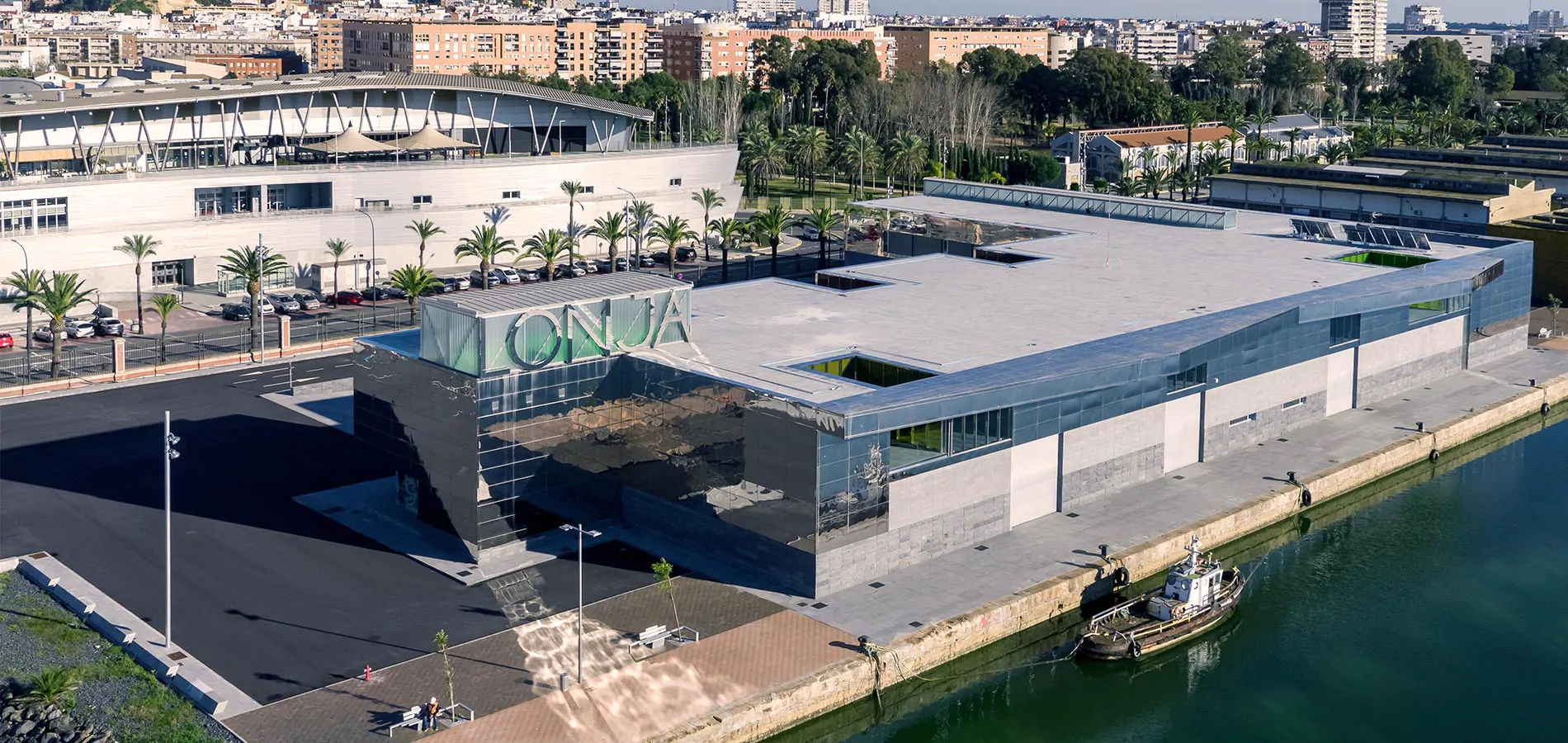
Maritime and port infrastructures
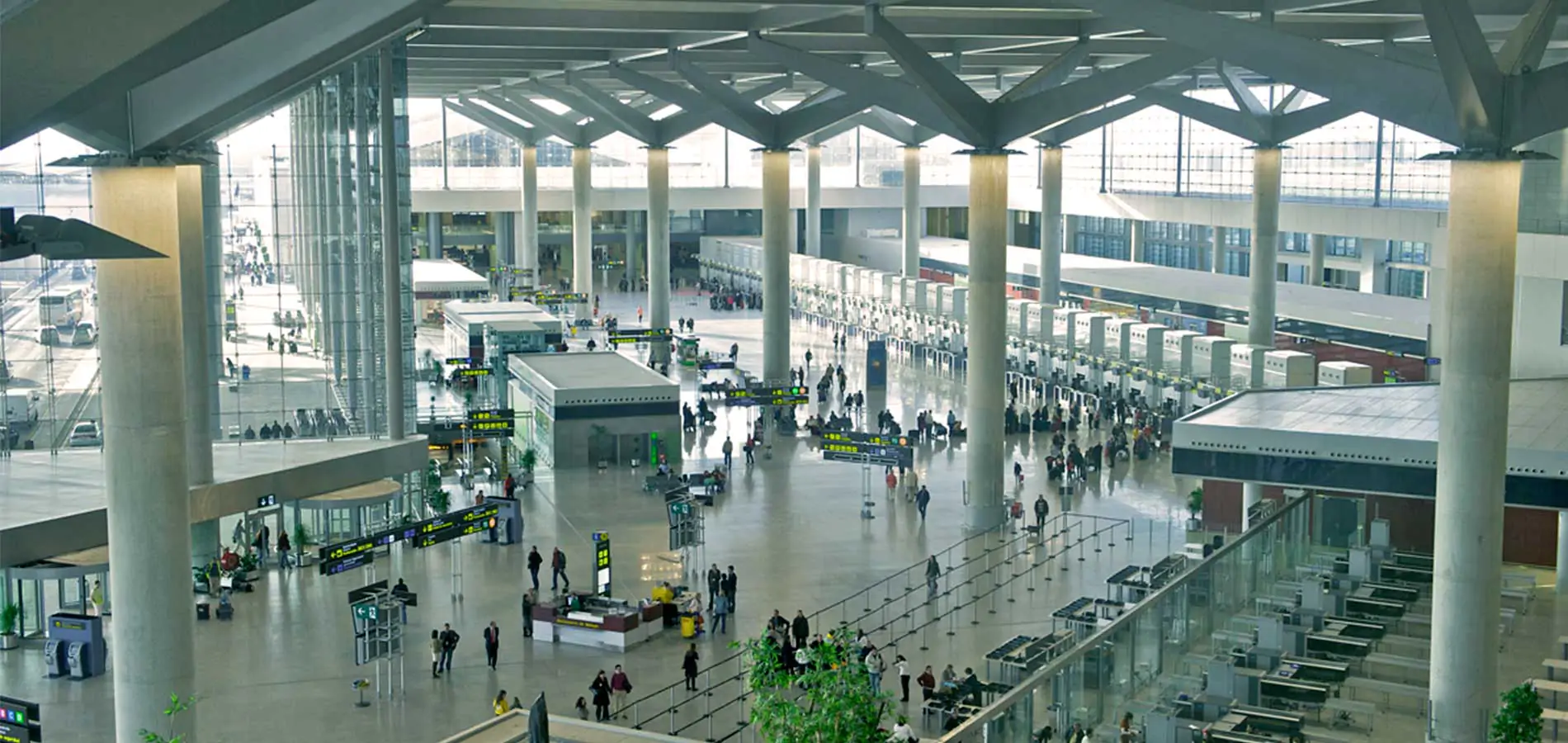
Airport infrastructures
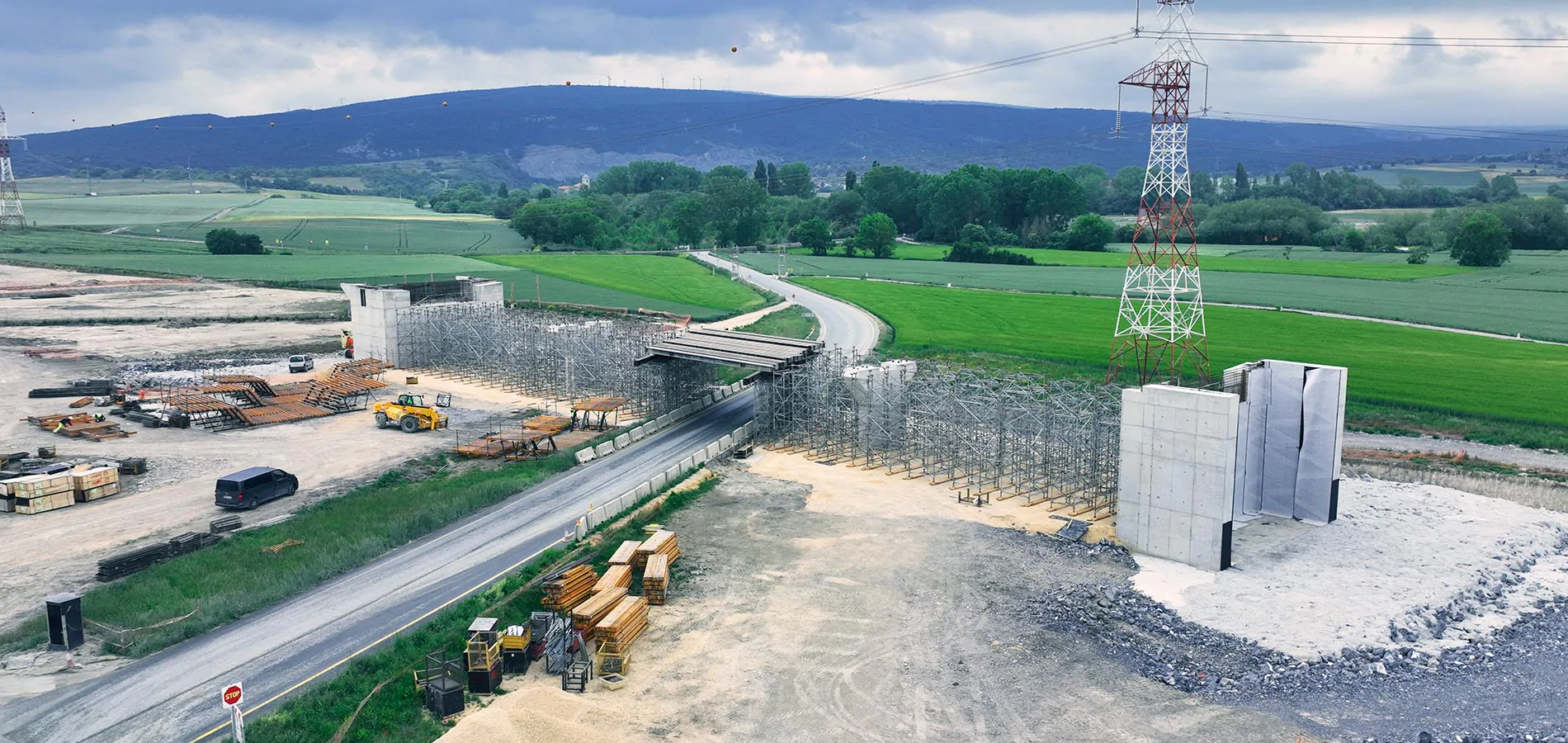
Railway platforms and track electrification
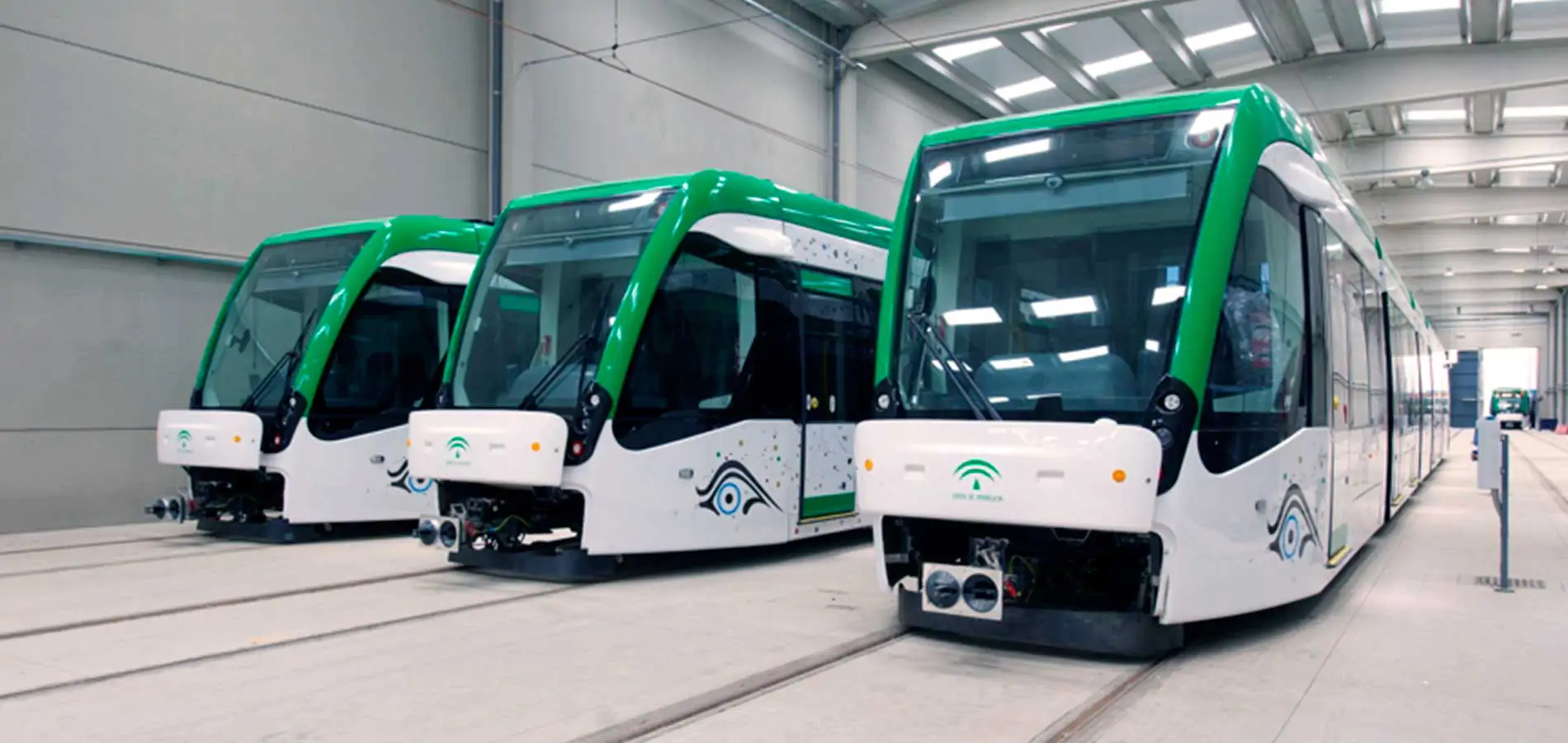
Passenger transport
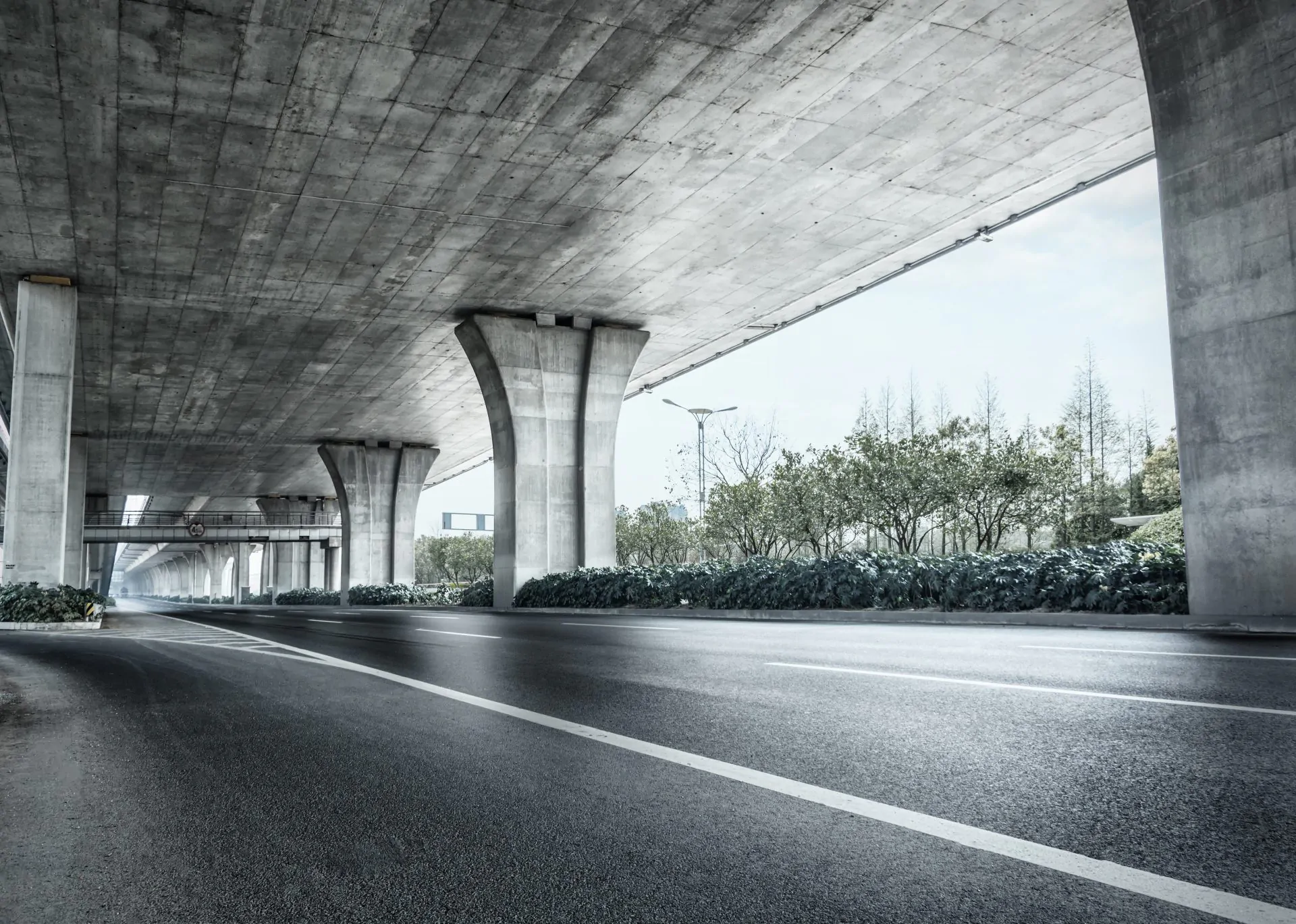
Transportation and mobility
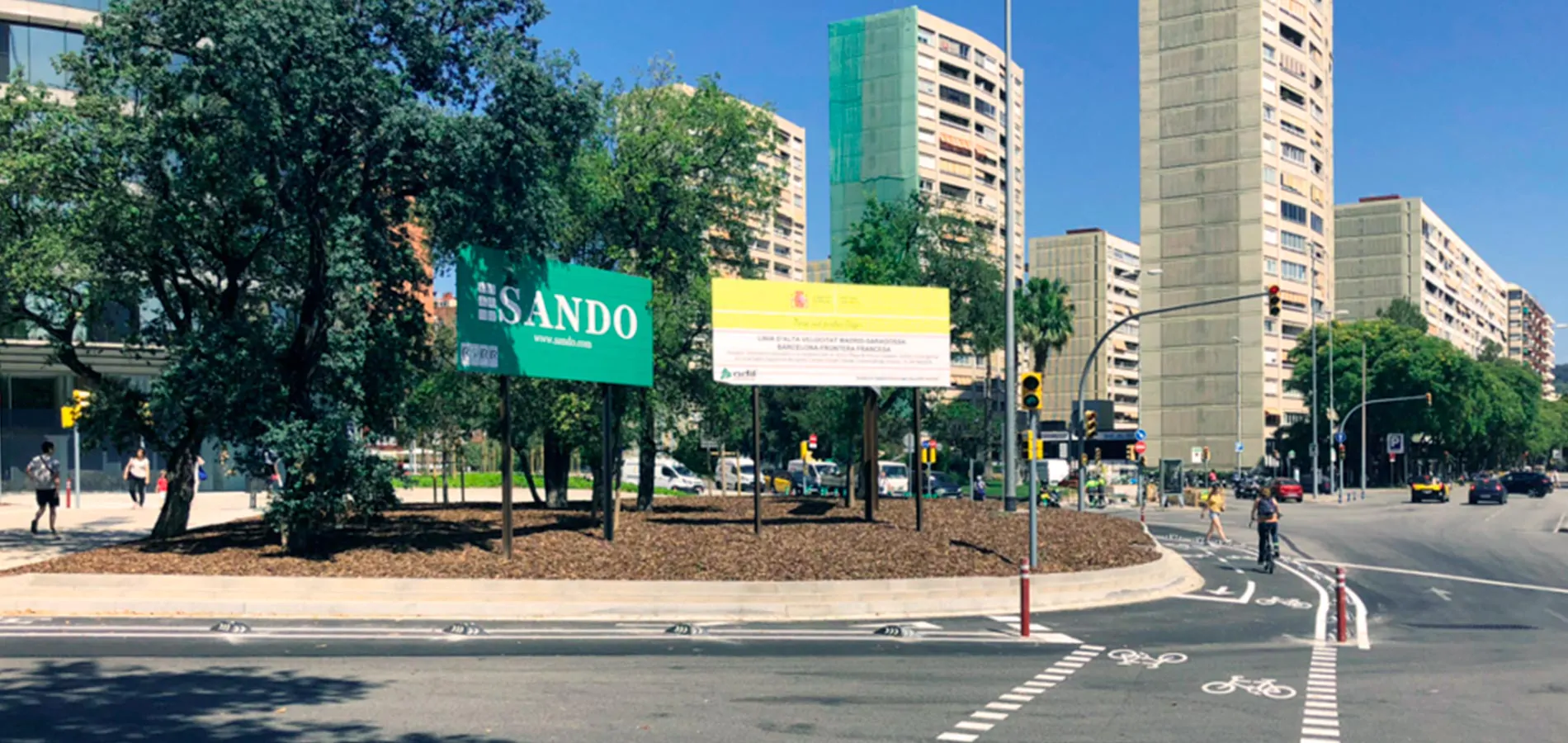
Sants Station
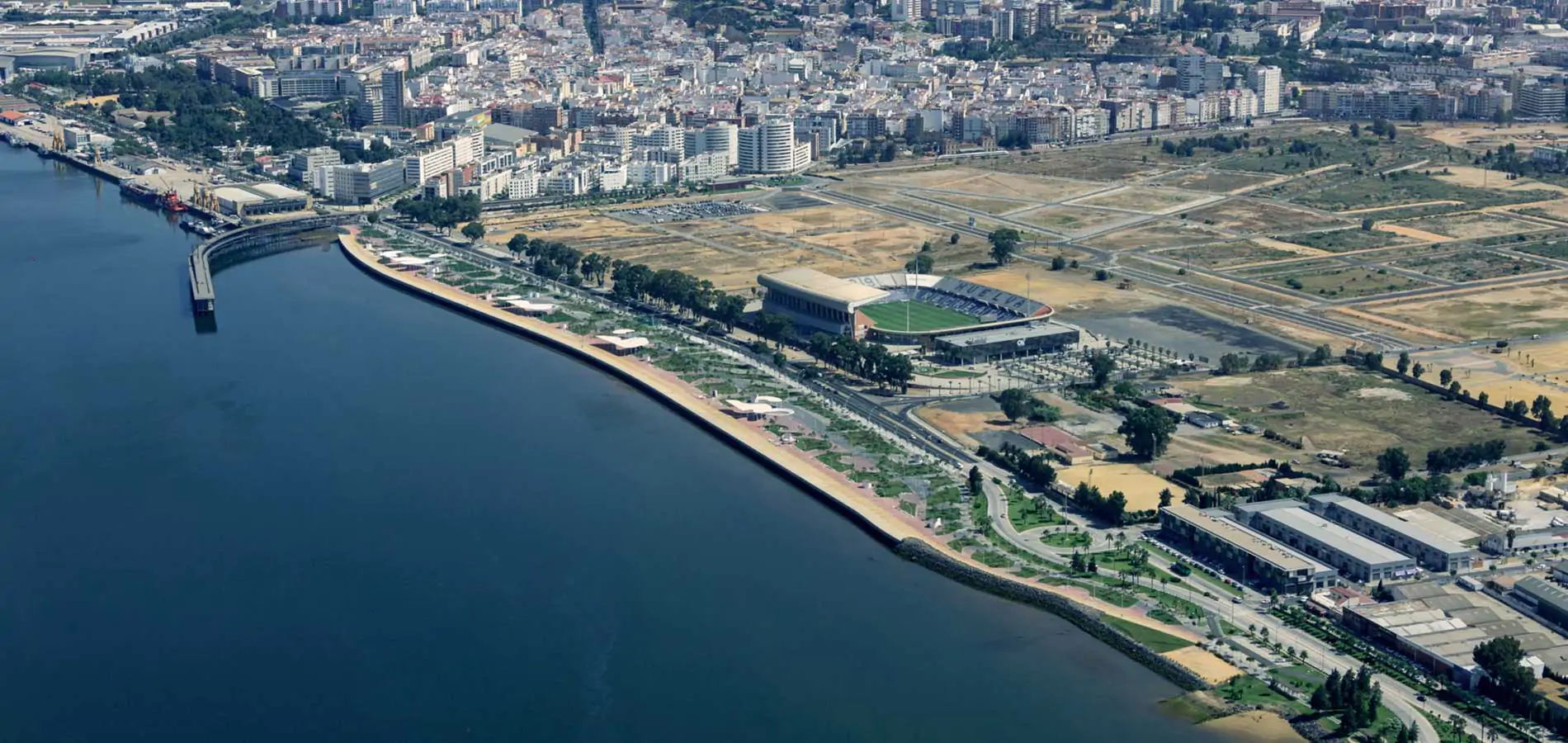
Huelva Estuary Walkway
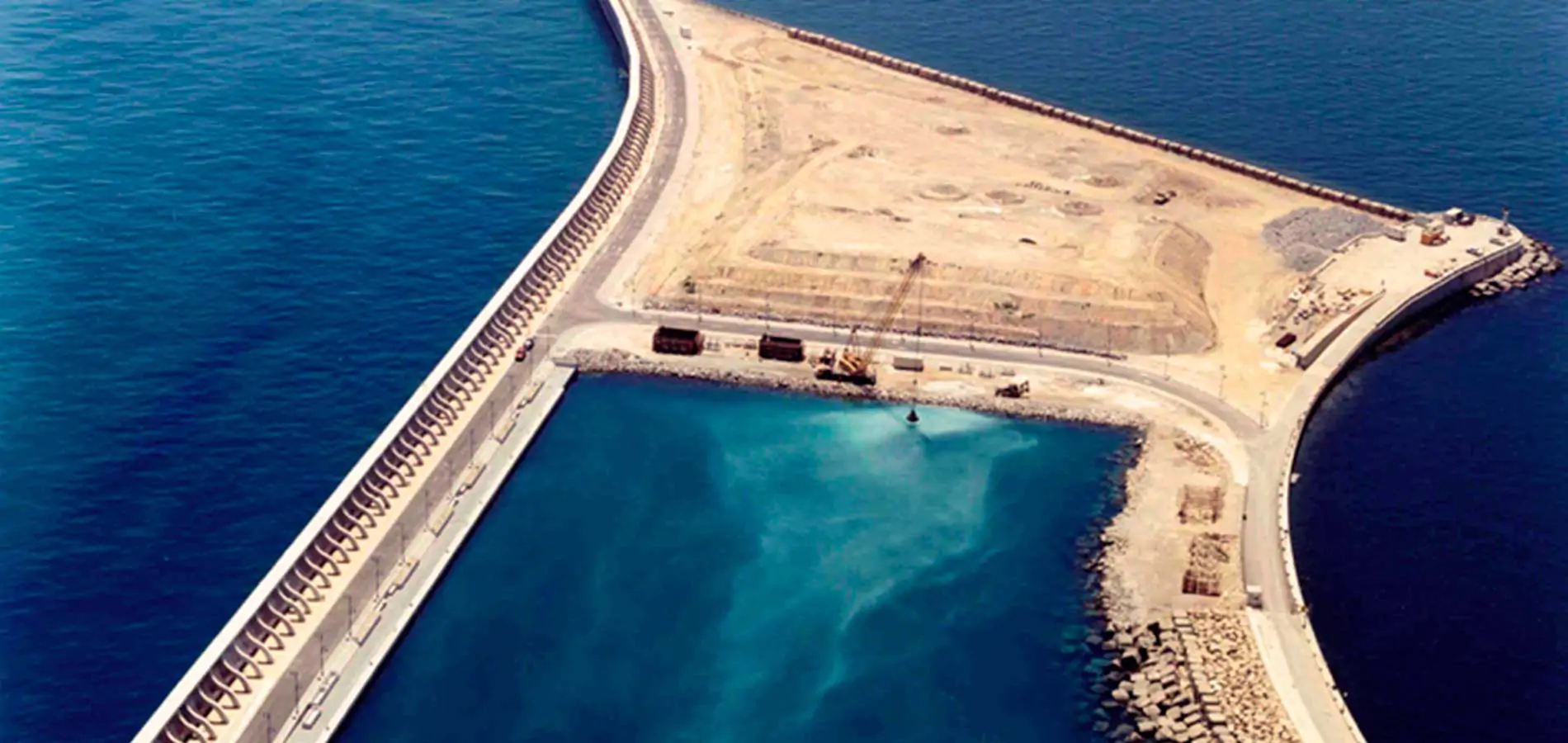
Malaga Levante Dock
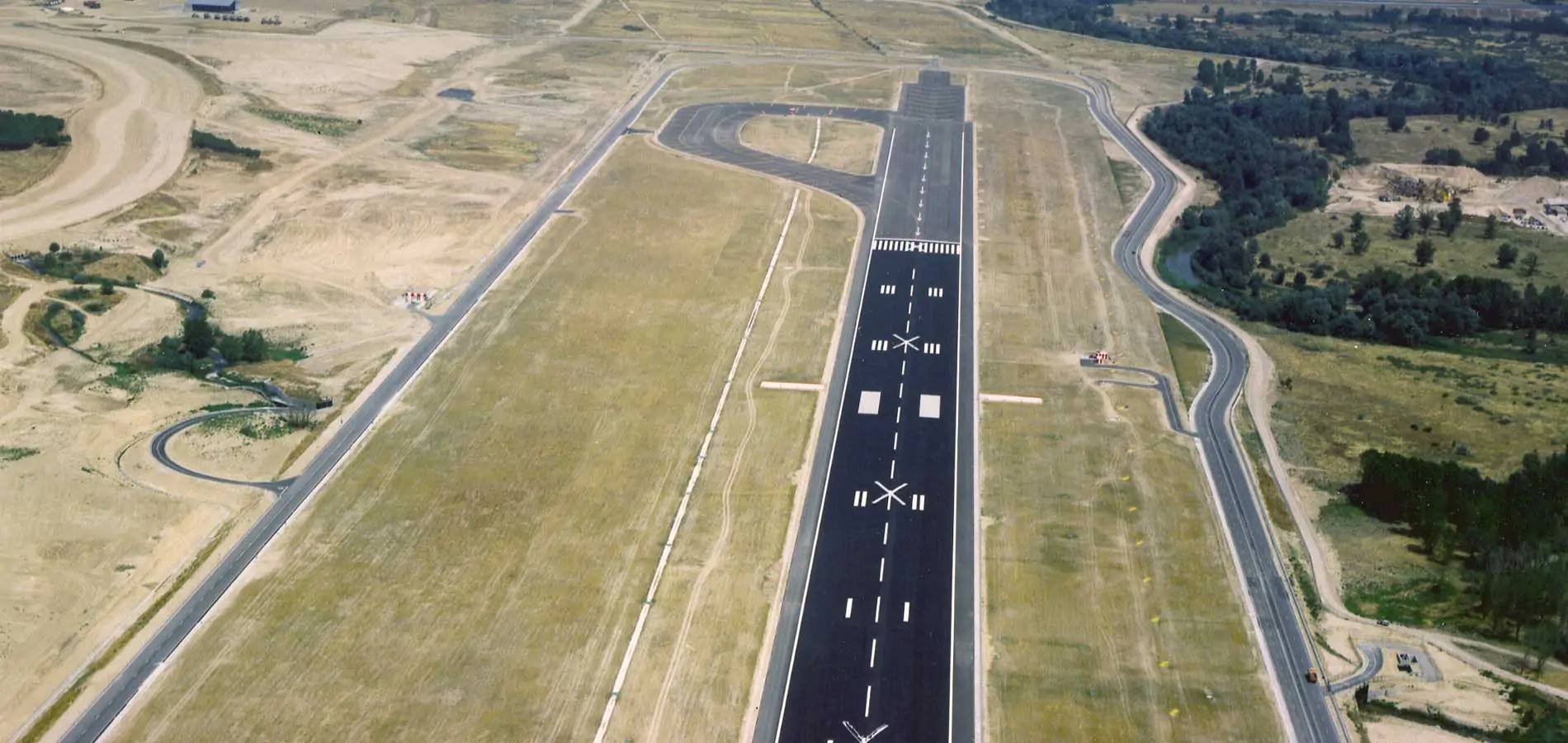
Runway 18L-36R, Adolfo Suárez-Barajas Airport
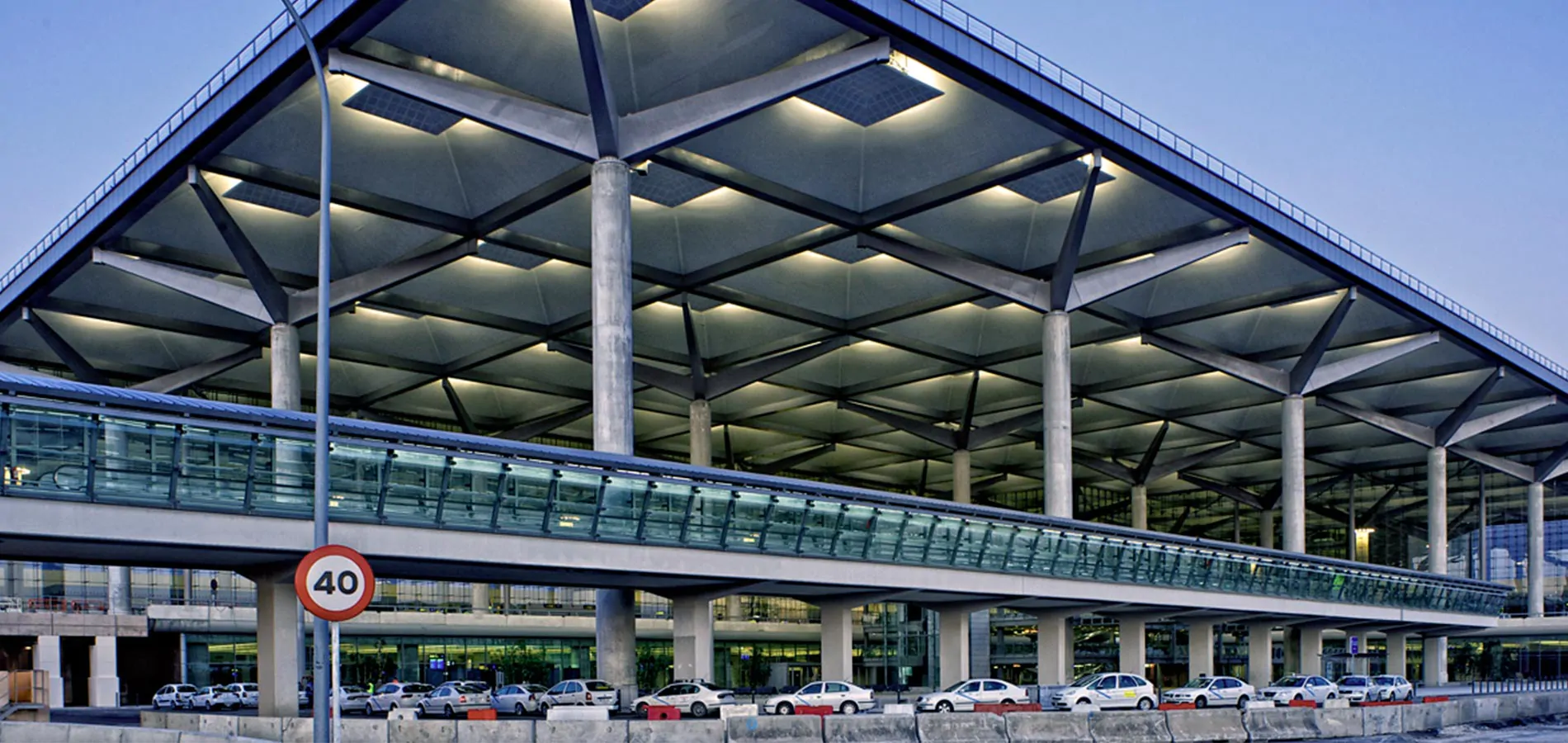
Malaga Airport Terminal III
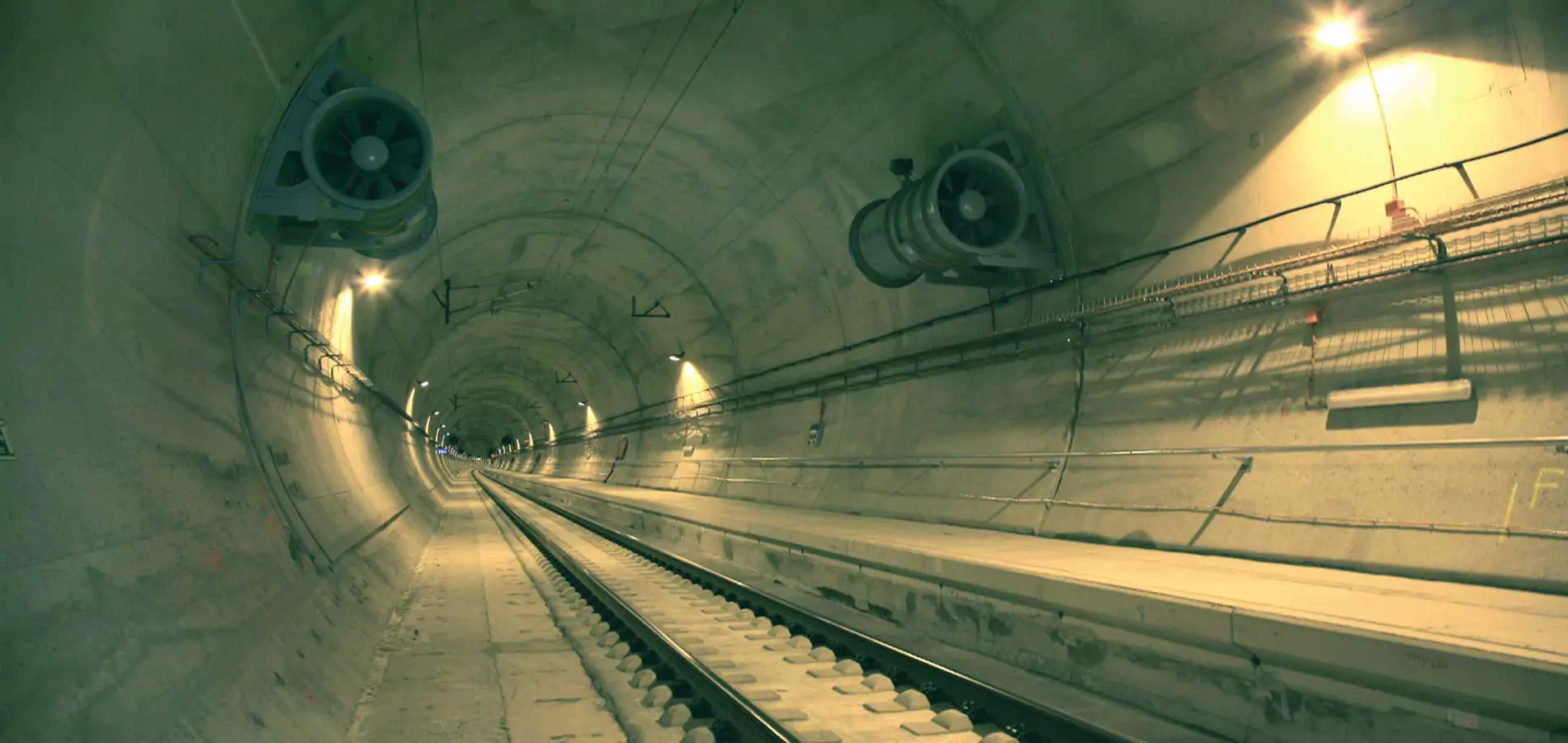
AVE Colmenar Viejo-Soto del Real
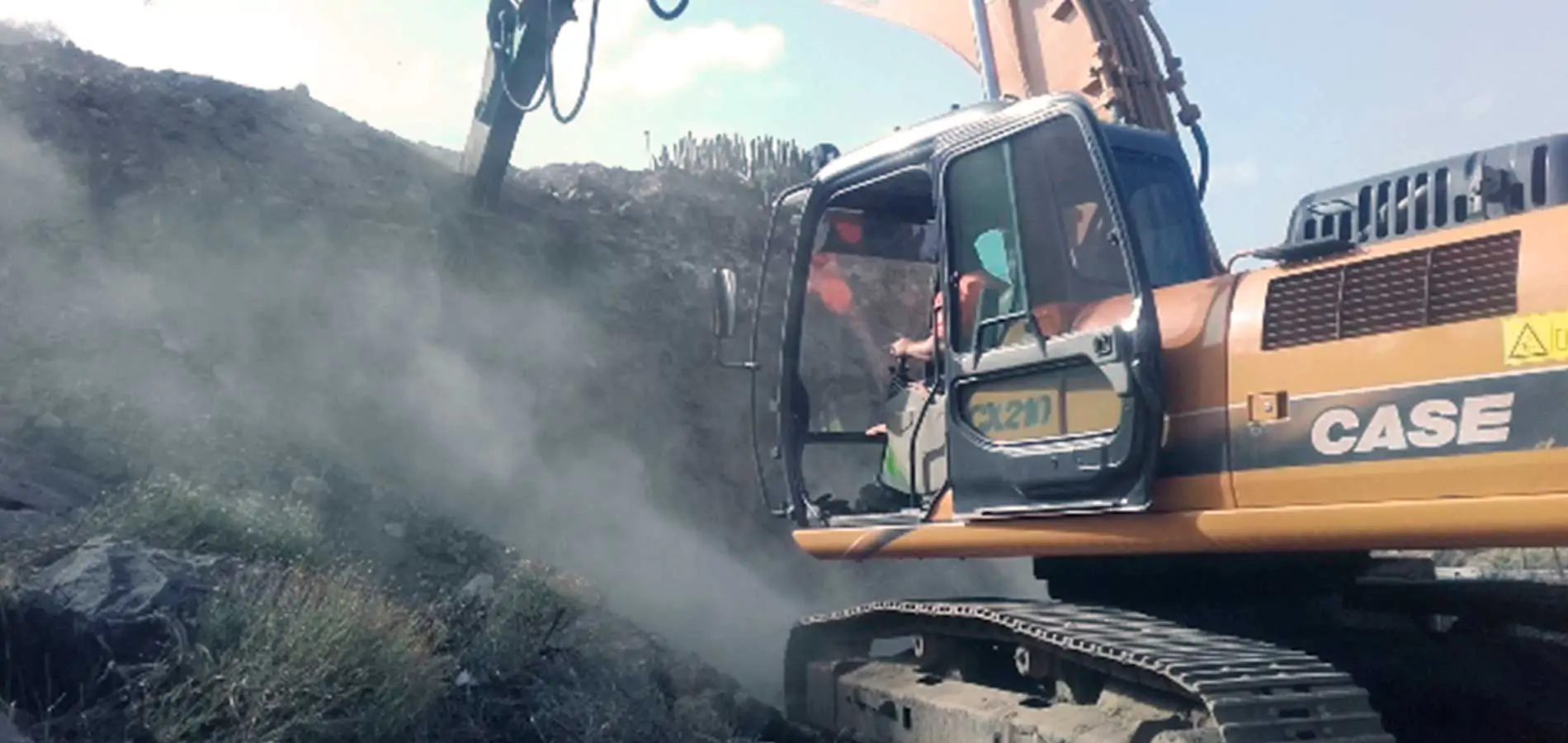
Road maintenance in the South of Tenerife
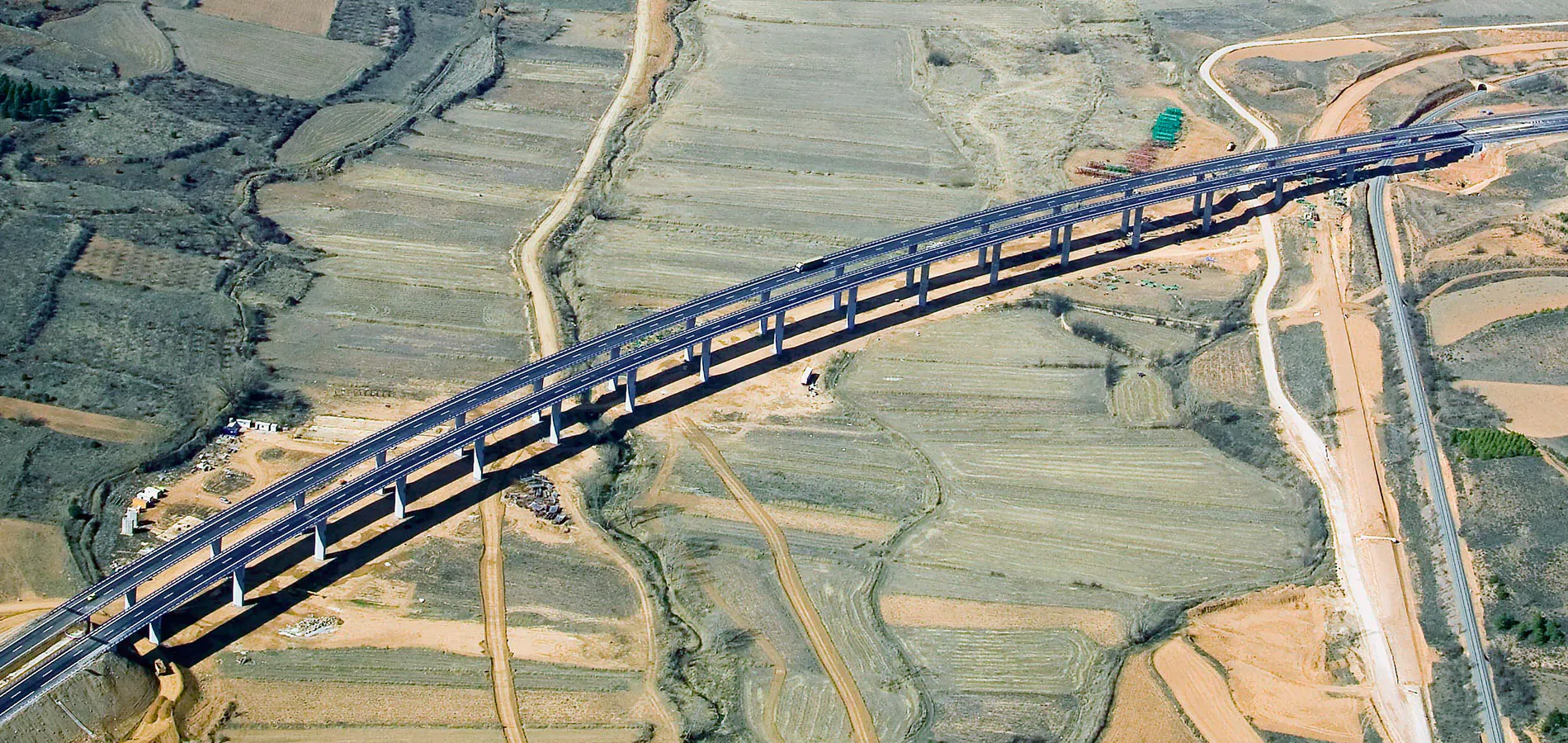
Motorway from Levante to France via Aragon
Guarantee of success


Sando Conservación y Energía

Sando Infraestructuras y Proyectos