According to UN figures, half the world’s population, 3.5 billion people, live in cities. The Organisation for Economic Co-operation and Development (OECD) predicts that of the 9 billion people who will make up the world’s population by 2050, 70 per cent will live in urban centres. Cities account for around 70% of global carbon emissions, consume more than 75% of global energy production, and use 60% of resources. Hence, managing elements such as water resources or urban mobility through technology means optimising resource consumption and becoming more efficient.
This paradigm of unstoppable urban growth is causing various problems in managing infrastructures and services, generating an overload for public authoritiess in addressing challenges such as air pollution, resource scarcity, water management or energy efficiency. Therefore, urban planning must have ecosystems that integrate inhabited areas in the metropolitan area or the city with artificial elements, urban infrastructures, and natural elements, such as green spaces.
The uniqueness of these urban ecosystems lies in the fact that, as they are located in a public space, they must be developed through human action, i.e. through constructing basic infrastructures (networks of facilities, streets, pavements, lighting, etc.) and must also have natural green spaces (parks, gardens, etc.). These infrastructures must be built considering sustainability and durability criteria for the use and enjoyment of citizens.
Faced with the growth of urbanization and in order to reconfigure the new urban ecosystems, Sando Conservación y Energía and Sando Infraestructuras y Proyectos present themselves as a strategic ally of public administrations and the contribution to SDG 11 of the 2030 Agenda, in the construction of more sustainable cities and communities.
Sando Conservación y Energía specializes in preserving and modernizing the use of public space in cities. Through its sustainable solutions in urban conservation, integrating aspects such as mobility or energy efficiency, it presents digital transformation alternatives to meet the challenges of urbanization, integrating them under the concept of smart cities: sustainable cities, connected and optimized through the use of technology. To help create the cities of the future, the company implements innovative working methodologies designed according to the paradigms that define a smart city:
The solutions allow a global knowledge of cities to be applied, providing a more efficient service. In addition, using innovative tools can transform traditional conservation services into state-of-the-art ones and improve management and cost reduction for the authorities, reducing the size of damage such as pavements.
Sando disseminates the activities carried out in the contracts through web pages designed for this purpose and maintains an active role in social networks for interaction with its stakeholders.
In developing its solutions, the company promotes using recycled materials; it recovers and reuses materials in a suitable state to repair pavements and uses tools that generate low gas and dust emissions (suction). They also remove and transport to a controlled landfill or treatment plants of the CDW developed and use electric and light vehicles in sensitive urban environments.
For this technological reconfiguration of cities, the company applies a methodology and computerised management systems, with the use of mobile devices (5G) for road inspection and management of road repairs, the use of drones for inspection of structures, or the use of video cameras with 360º vision for inspection of roads and structures. The implementation of intelligent management software in contracts for road maintenance, bicycle lanes, and accessibility has led to significant improvements perceived by the client and the citizen, with exhaustive control of the state of inventory, complete traceability of interventions carried out, improved efficiency of work teams and reduced response times.
Likewise, in its commitment to innovation, it is working on integrating Artificial Intelligence tools. It continues developing Internet of Things (IoT) techniques and using sensors to gather information on different environmental parameters applied to the various services provided.
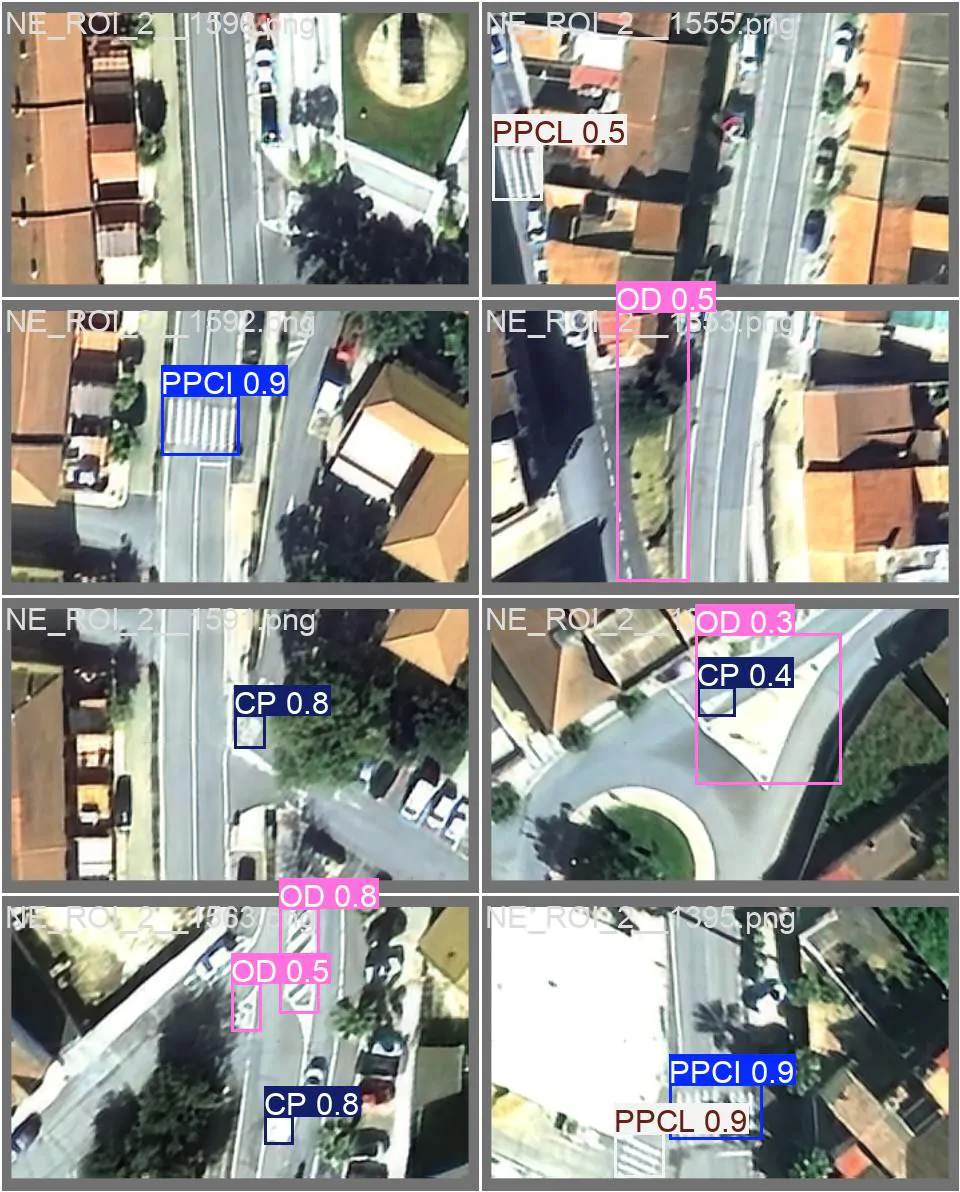
R&D plays an essential role in understanding the application of new technologies. Sando Conservación y Energía is developing INSPECT-ROADS, a project that proposes an intelligent mechanism to locate the type, position and severity of problems detected on roads and highways. This technology approach represents a leap in quality in inspecting incidents by setting up an automated system that identifies deficiencies based on prior knowledge and training.
Among the actions implemented by Sando Conservación y Energía from a technological perspective, it is worth mentioning the development of web applications for inventory and incident management, with success stories in large cities such as Malaga, Marbella, Seville and Santa Cruz de Tenerife.
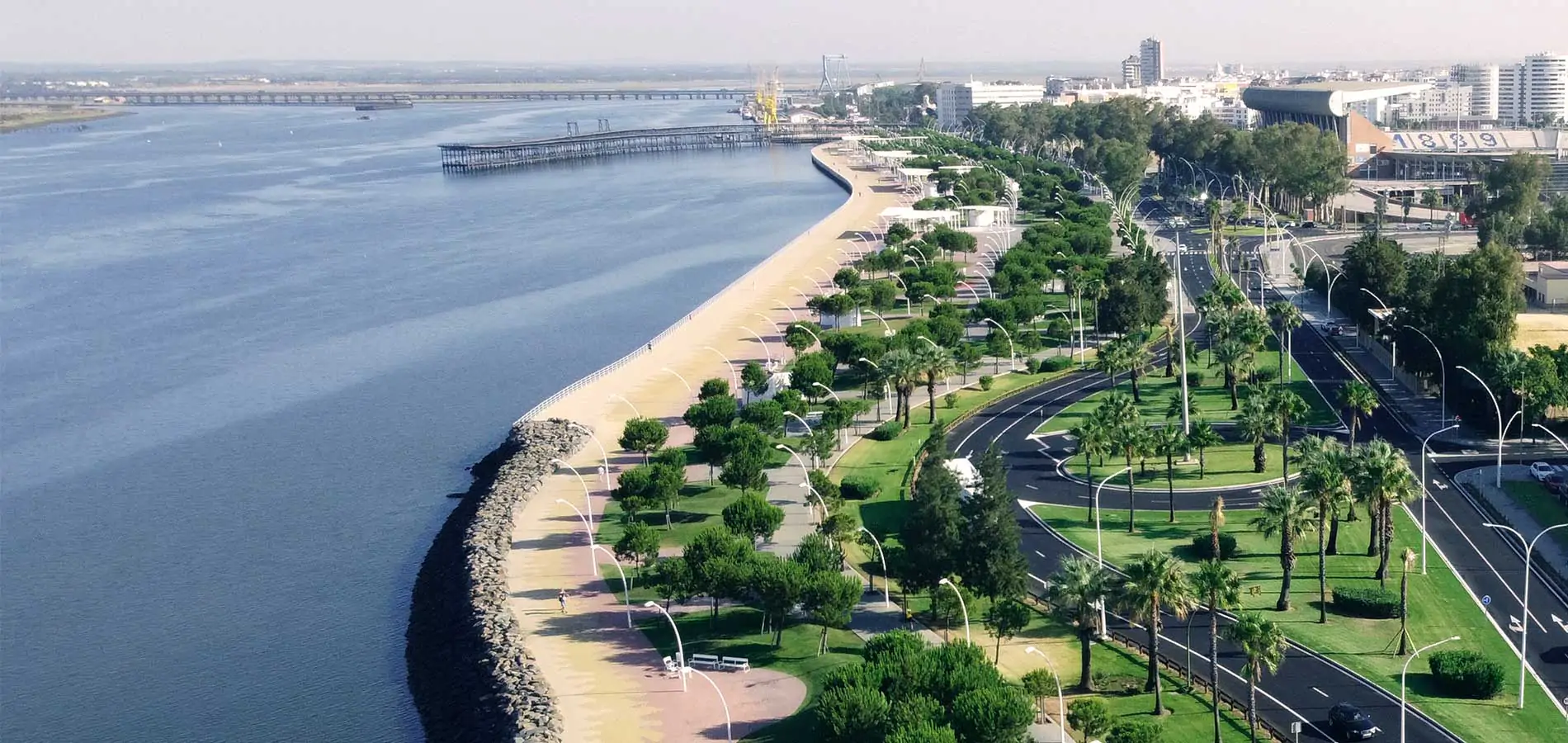
Urban conservation and smart cities
We create sustainable and efficient smartcities
Urban conservation and smart cities
We reconfigure urban spaces to connect them, integrating the latest technologies and nature as the protagonists for humanising and revaluating meeting areas.
In the face of significant global challenges such as climate change and resource scarcity, transforming urban centres is necessary for sustainable social development. In designing new urban ecosystems, it is essential to implement innovative solutions to reverse negative environmental and social impacts. At Sando Conservación y Energía and Sando Infraestructuras y Proyectos, we offer public administrations our experience in the reconfiguration of sustainable spaces with green areas, meeting places and technological systems at the service of citizens.
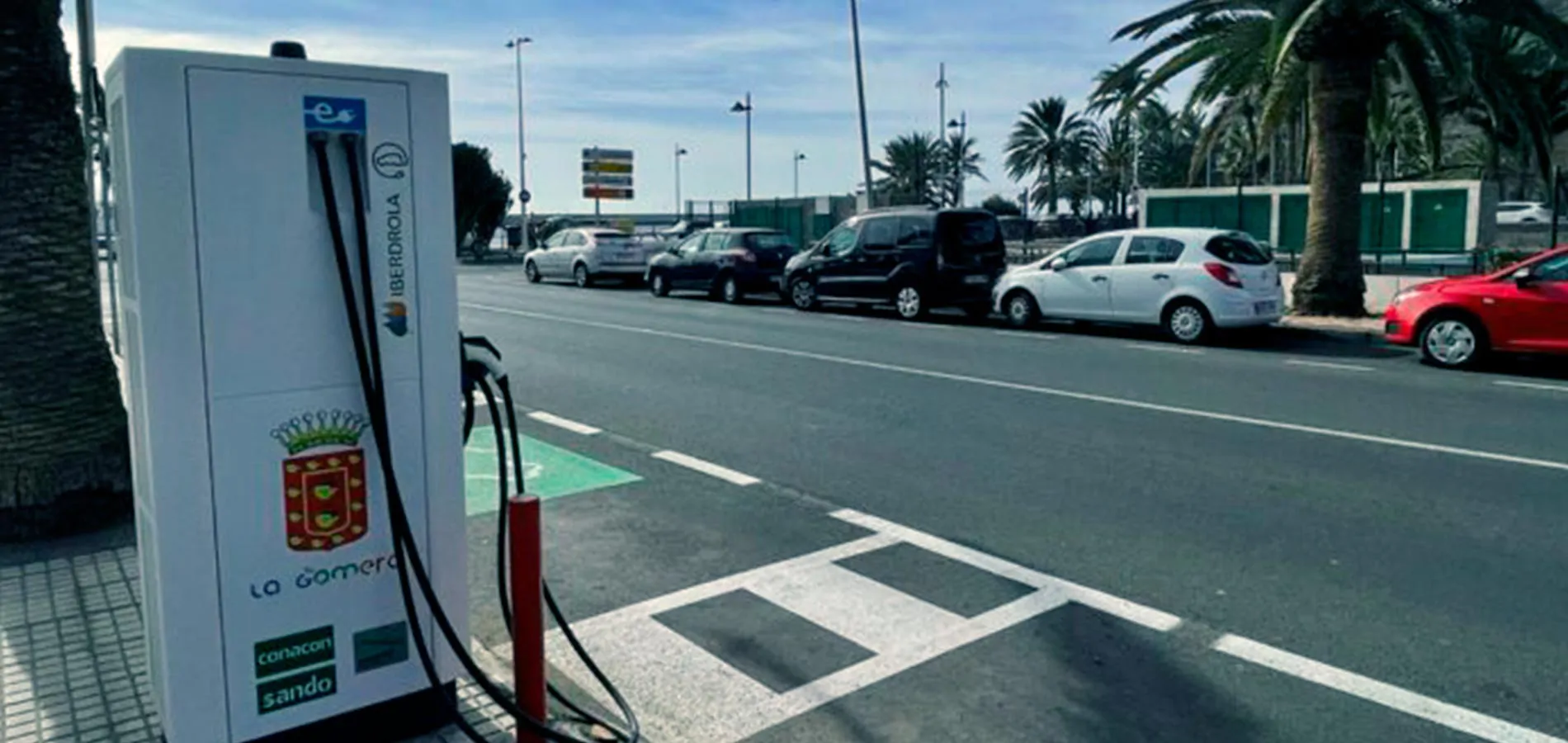
recharging points for plug-in electric vehicles
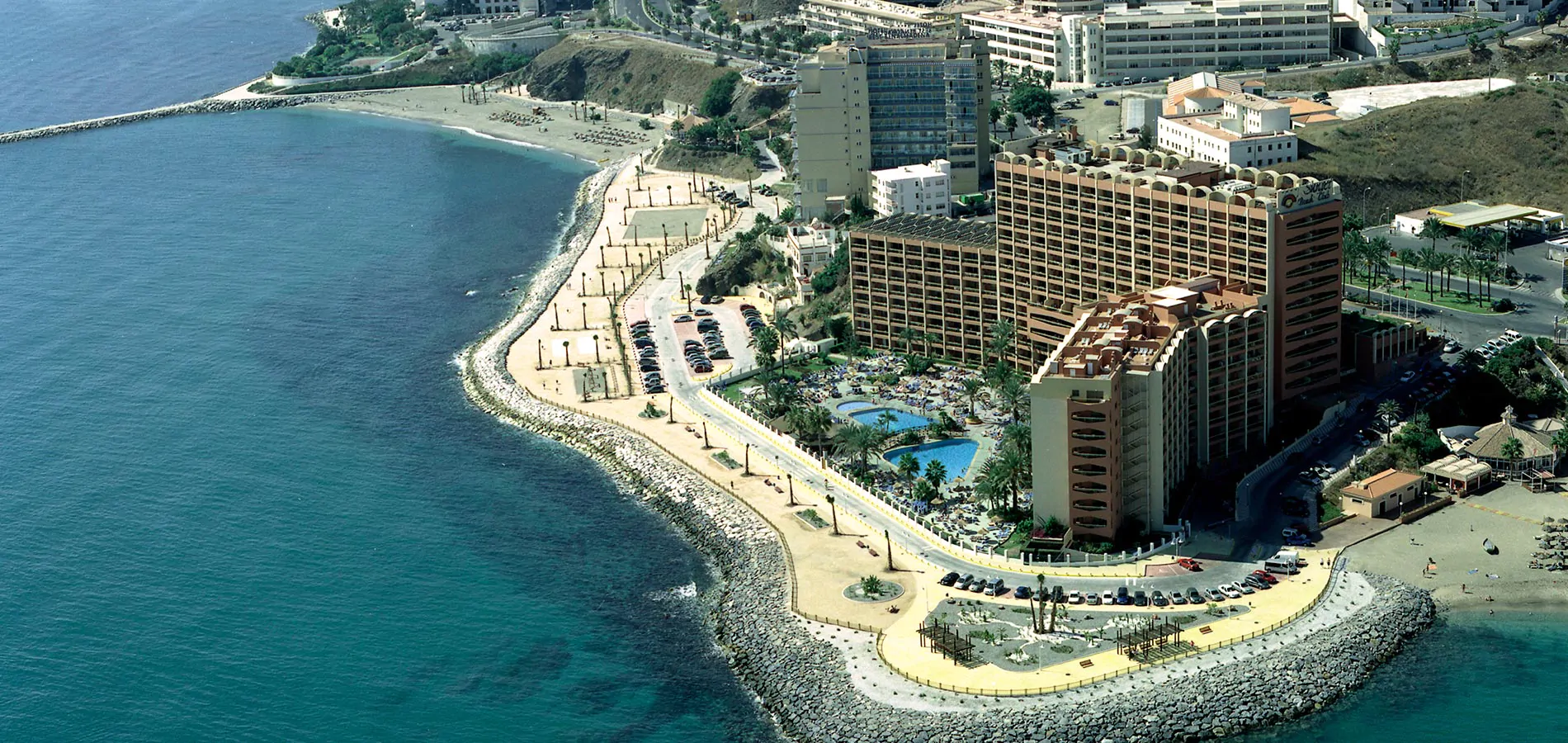
Promenades and public spaces
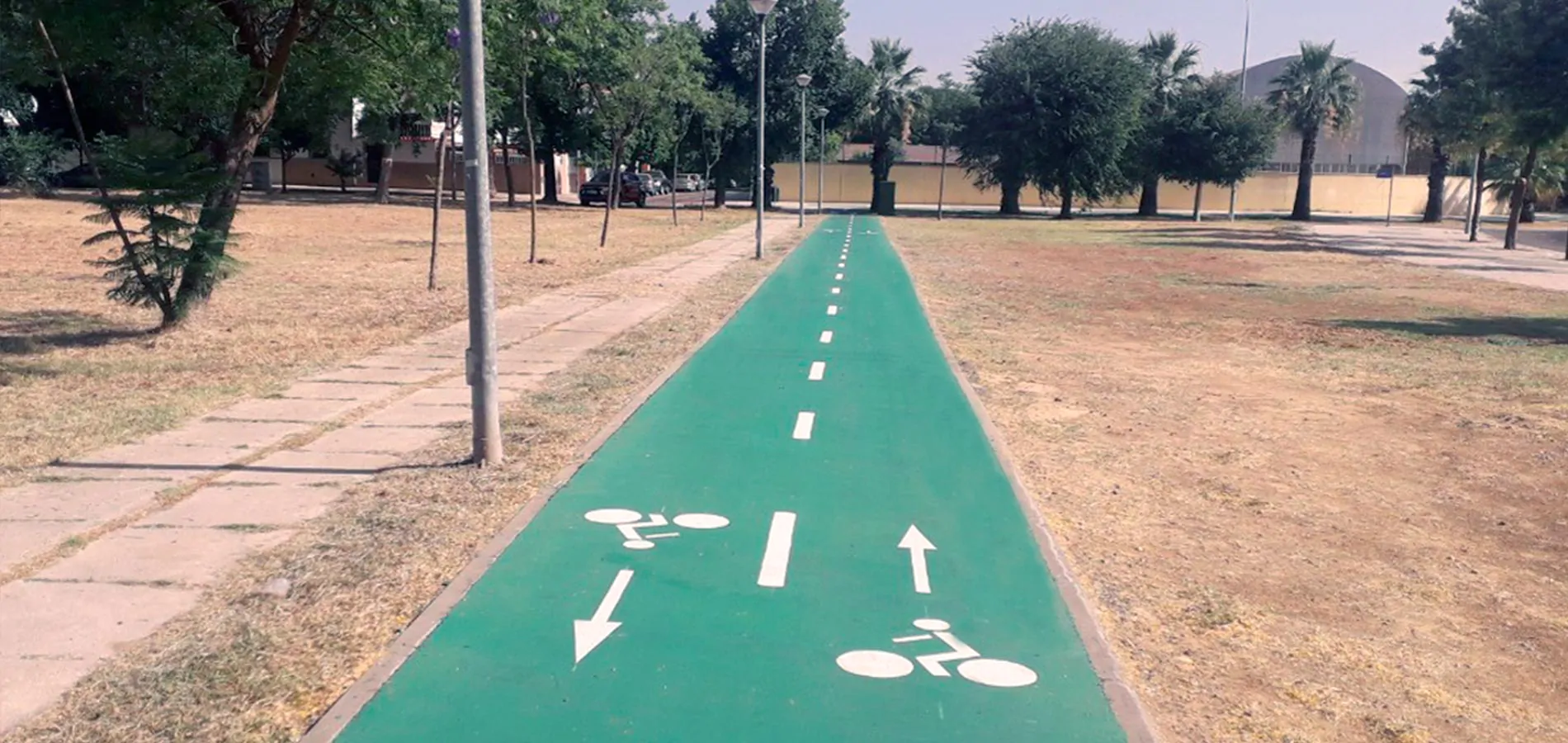
Traffic and Urban Mobility
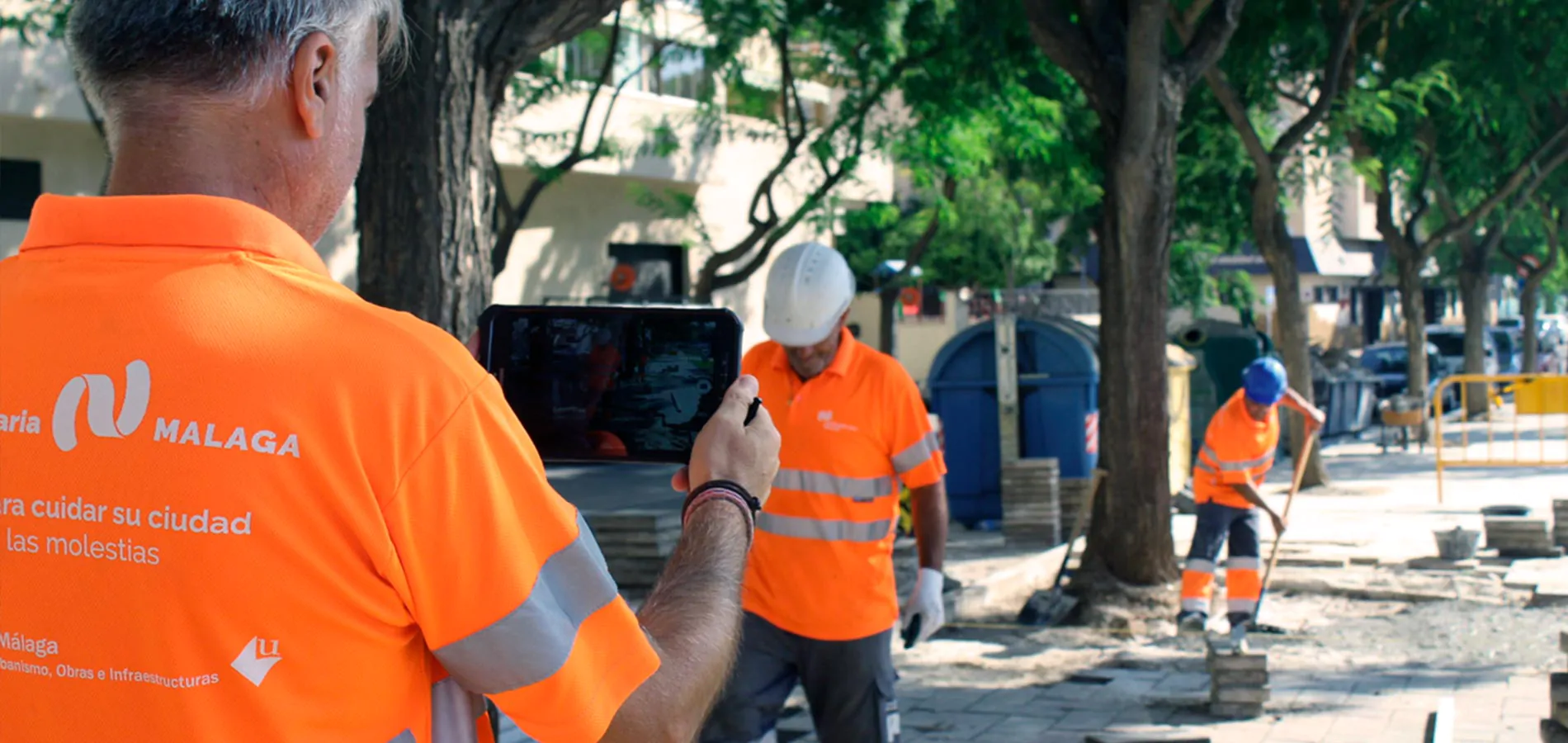
Paving and Lighting
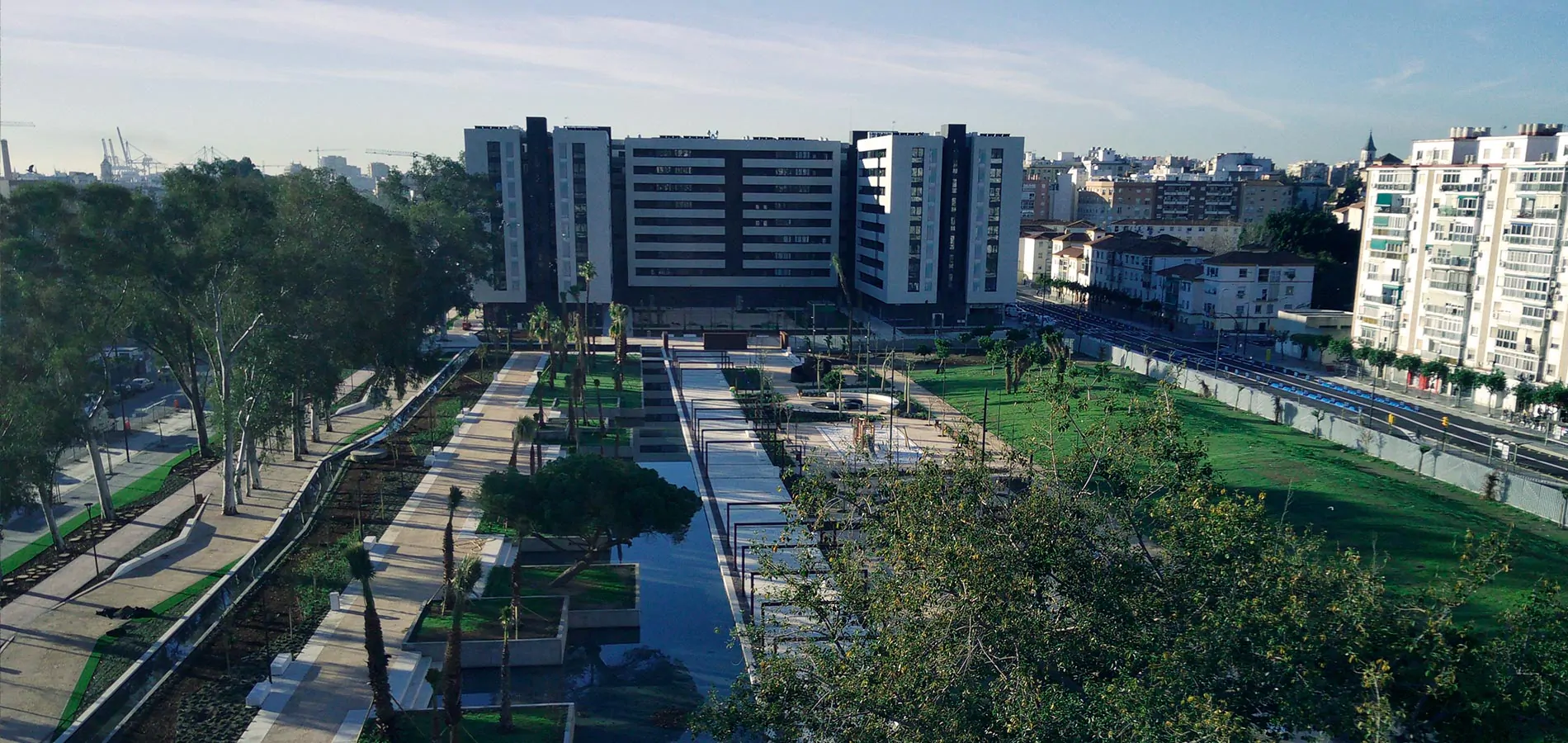
Urbanisations
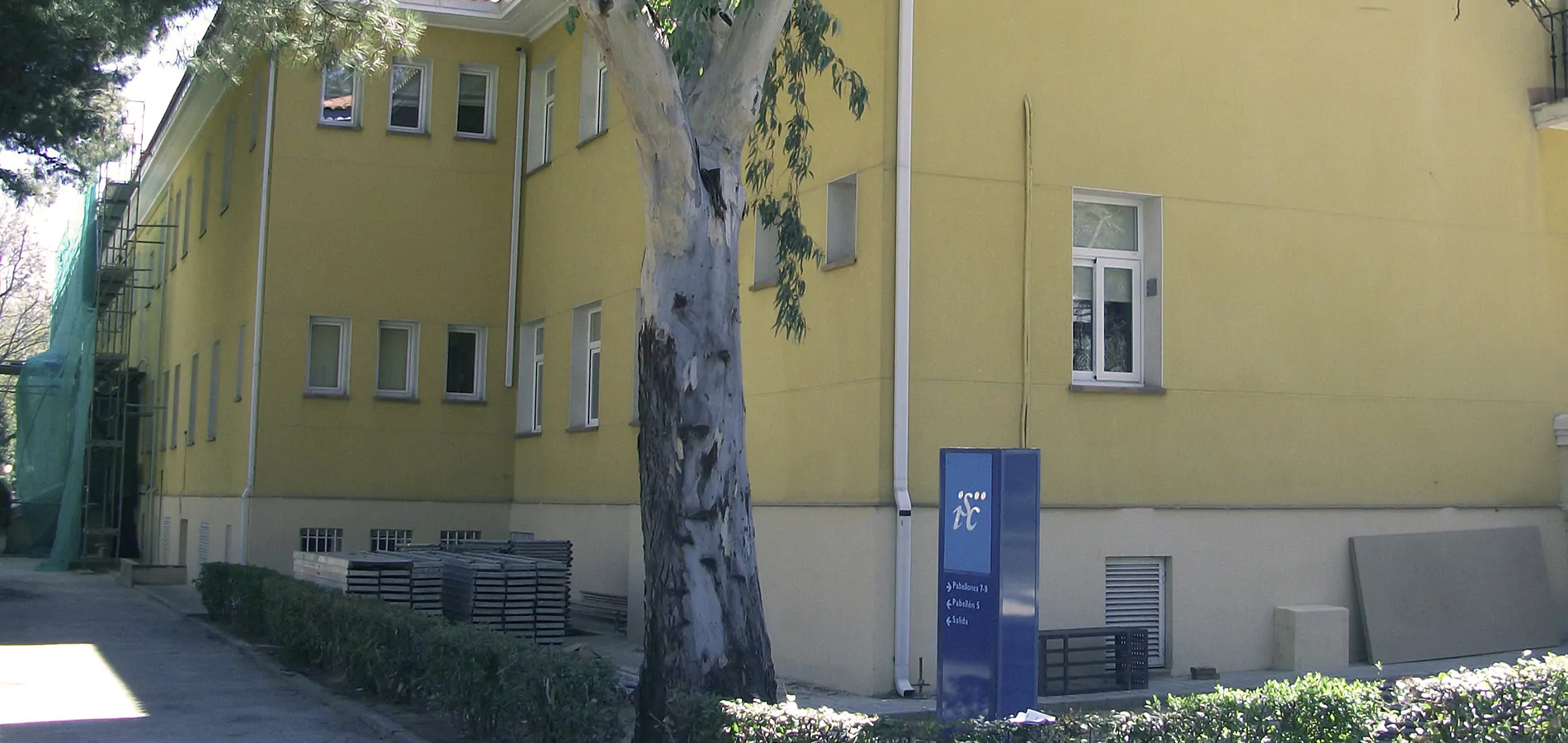
Refurbishment of Pavilion 12 of the Carlos III Health Institute
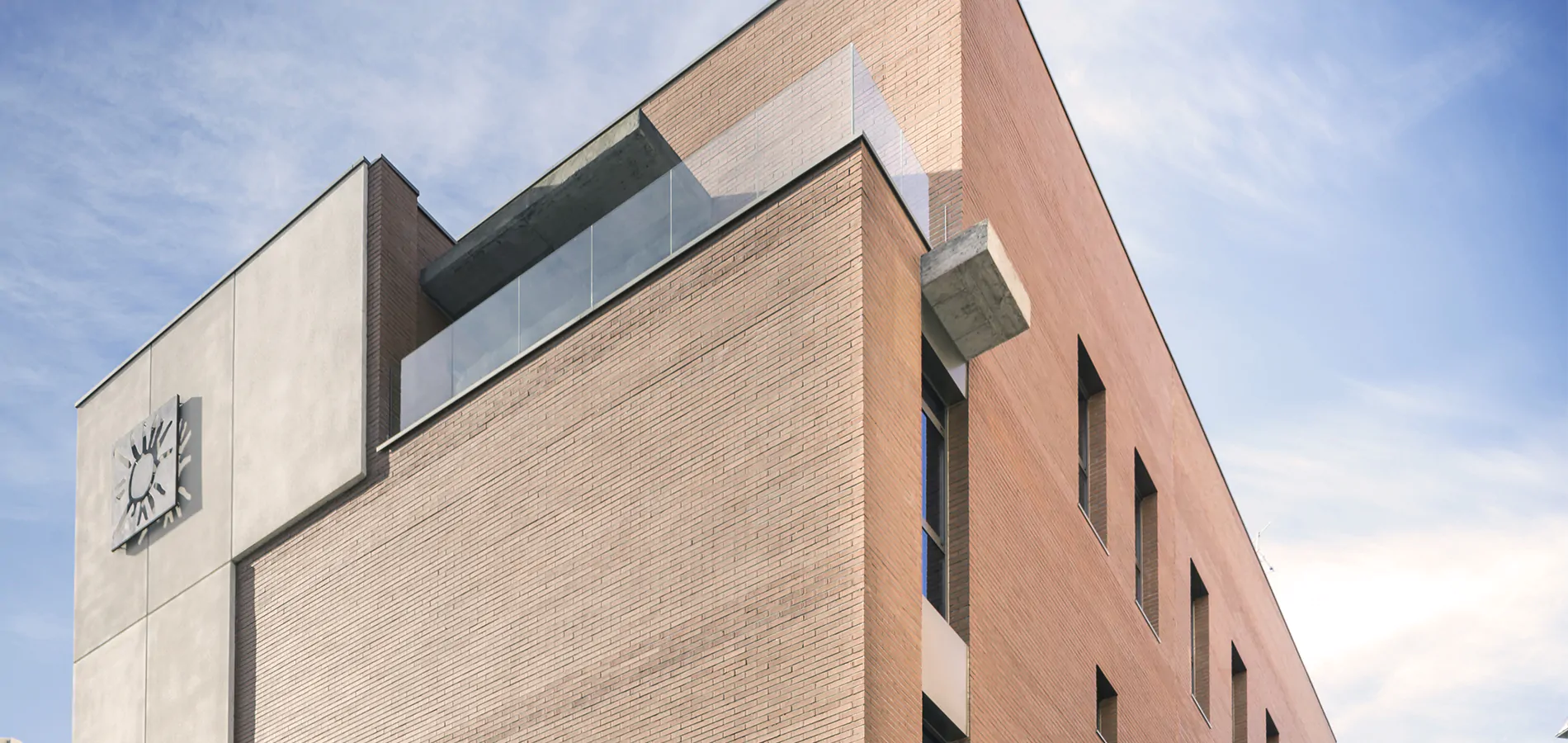
Alcalá de Henares Archaeological Museum
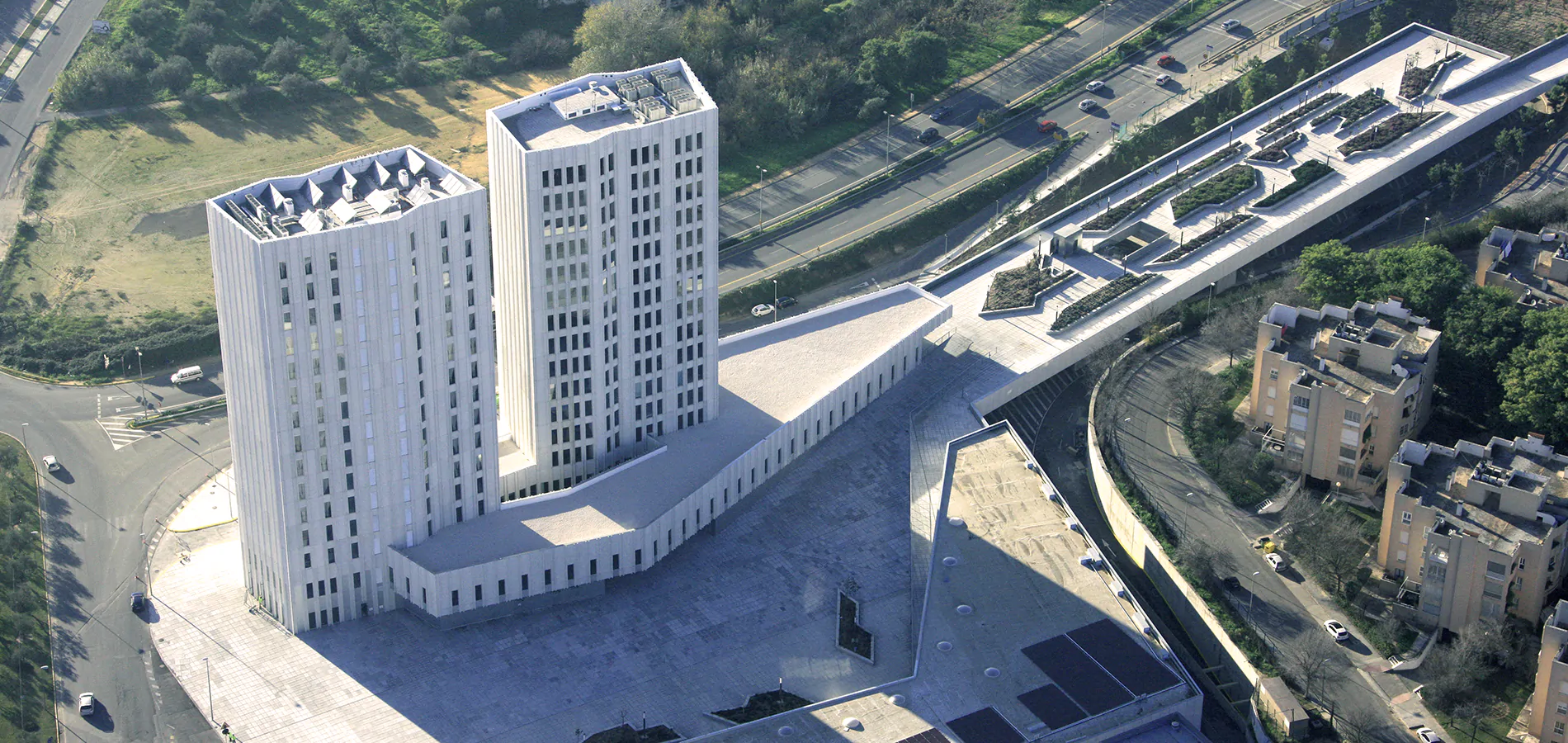
Aljarafe Central Complex
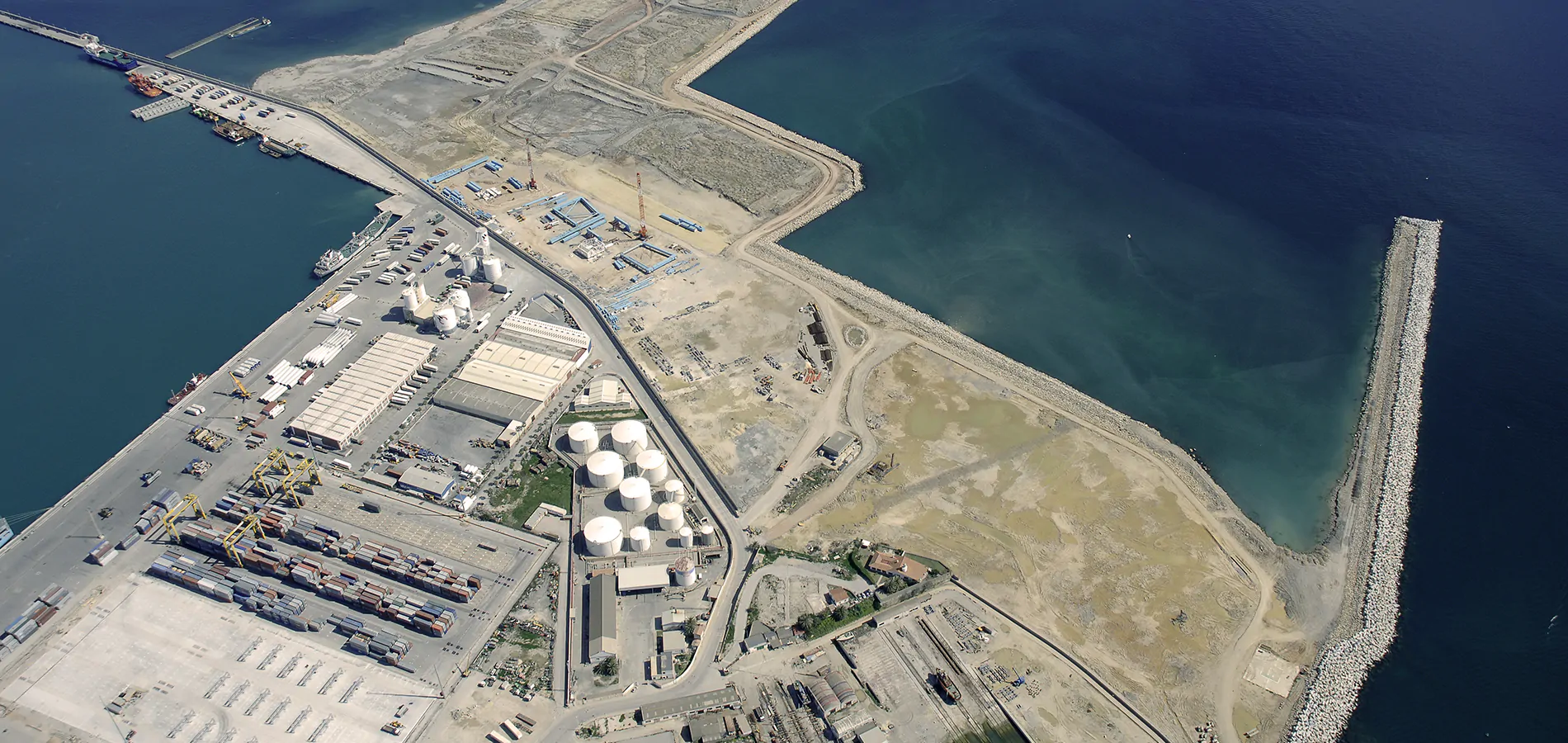
Maintenance of roads in the Bay of Algeciras
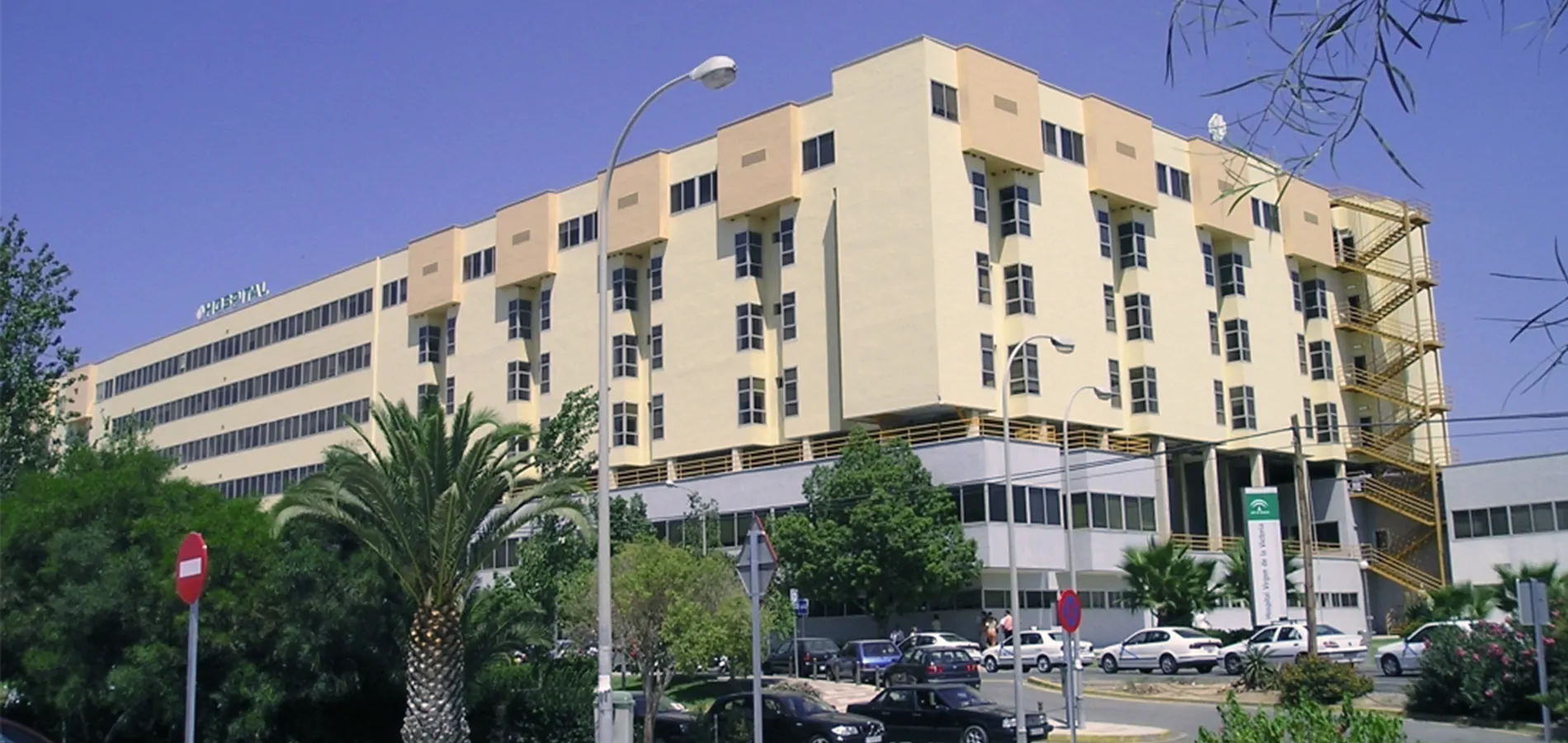
Hospital Virgen de la Victoria
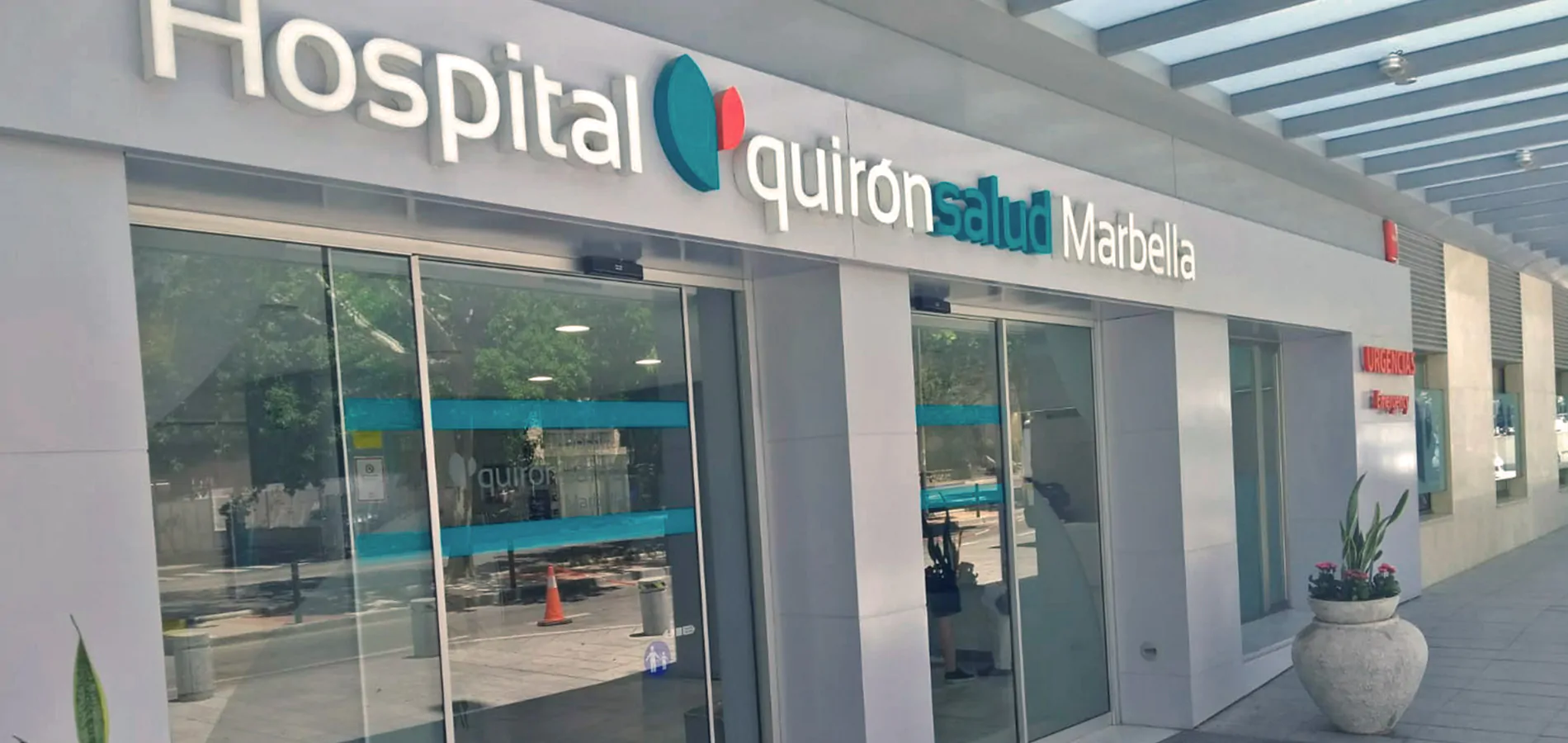
Hospital de Quirónsalud en Marbella
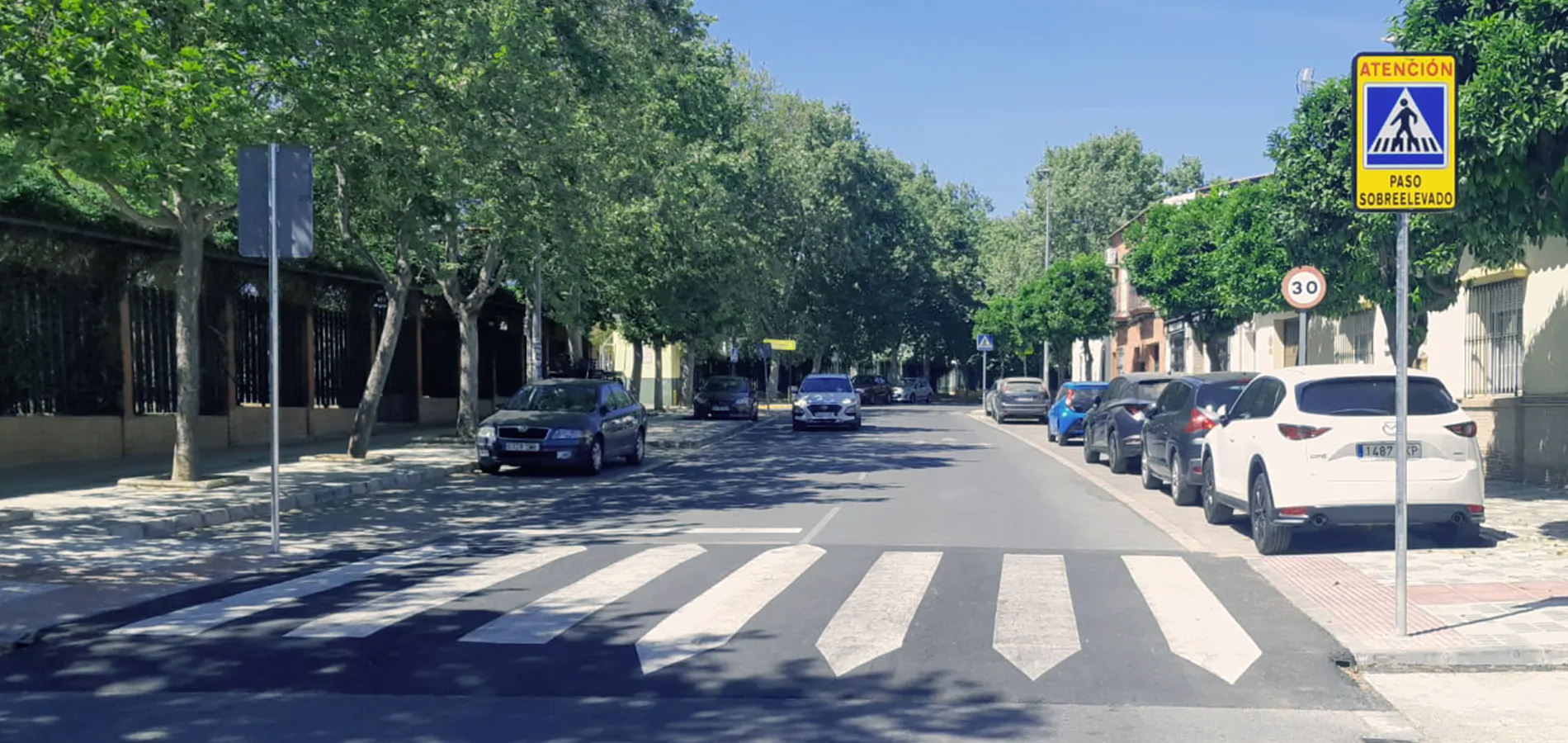
Bormujos Road Maintenance
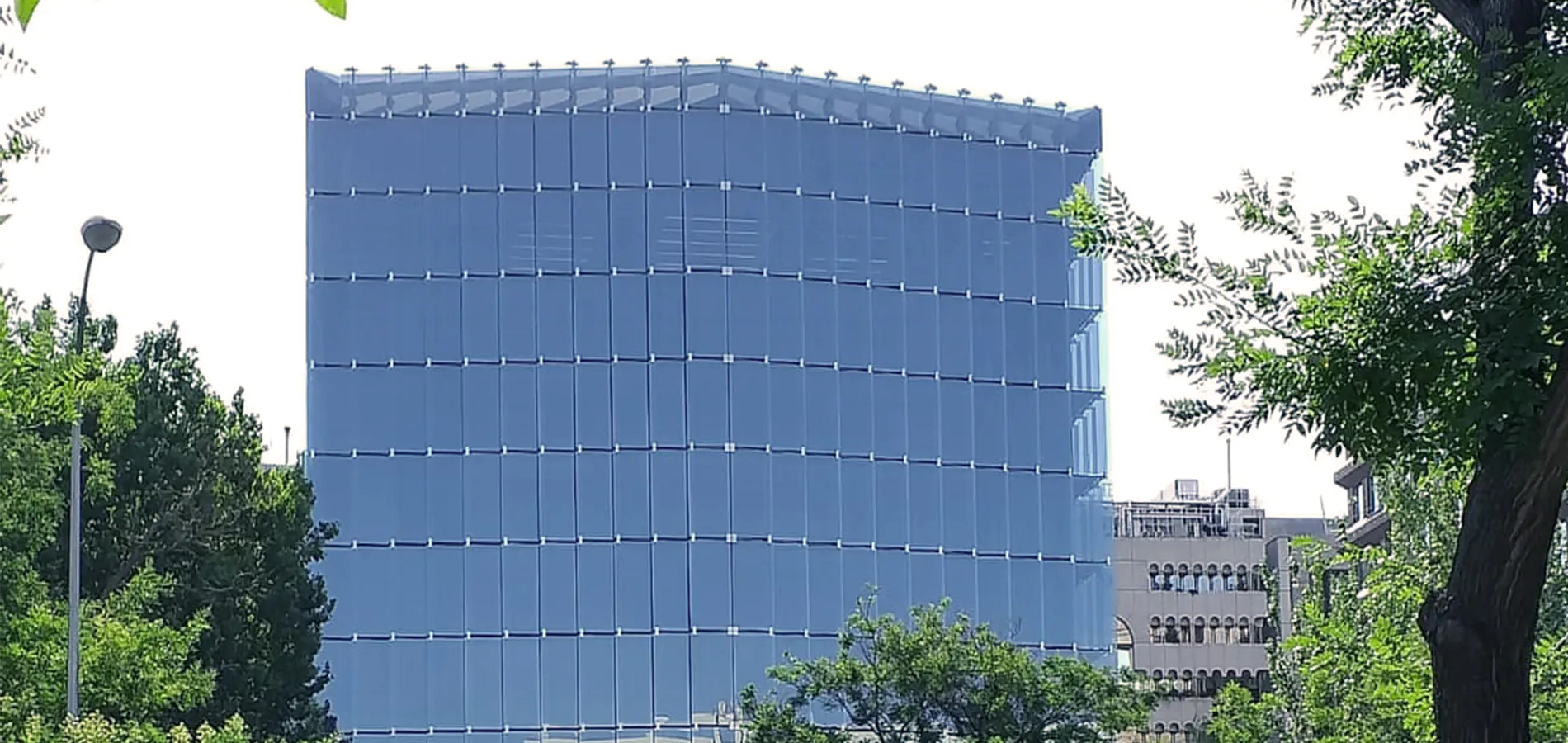
Consorcio Seguros Building Castellana 44
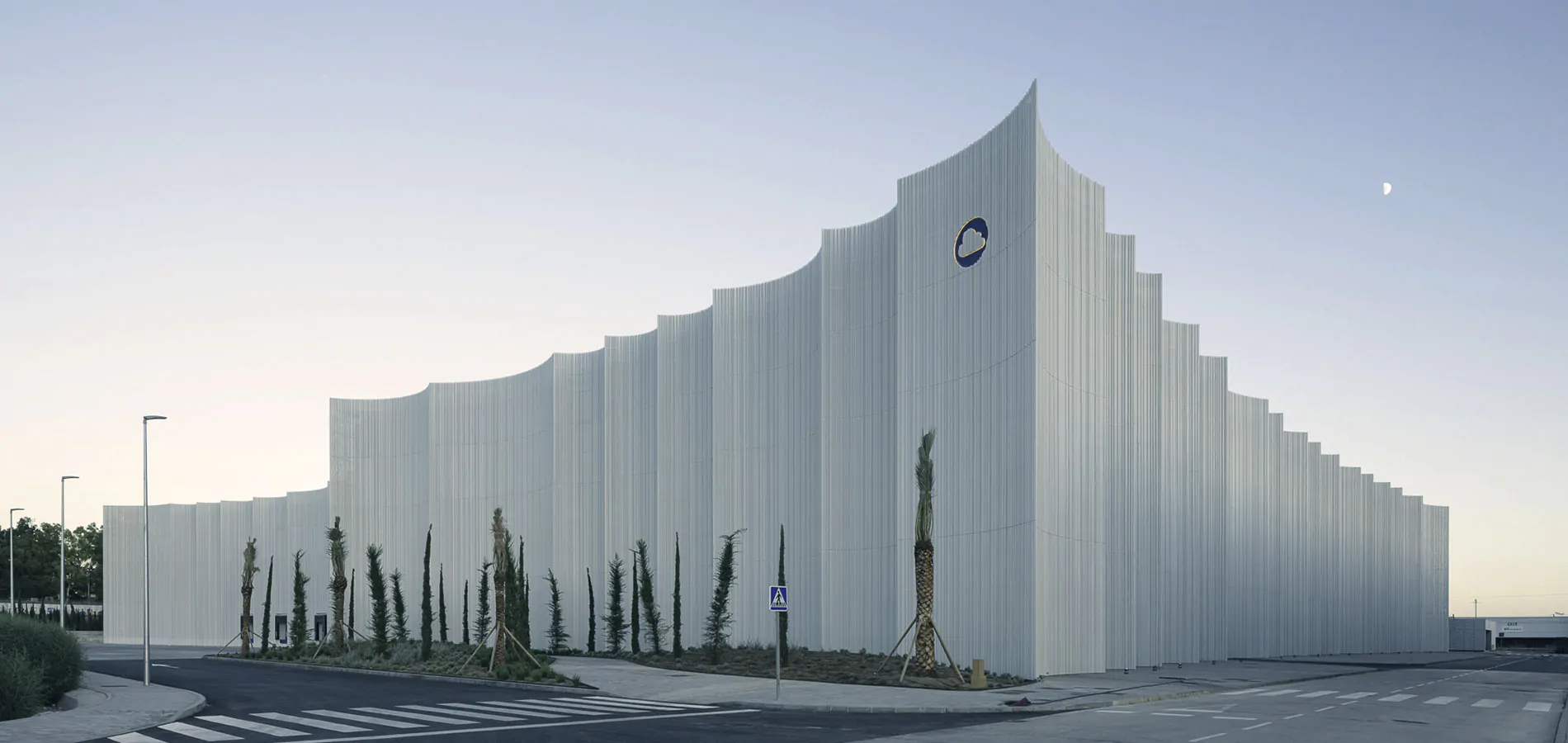
Mayoral’s logistics facilities in Malaga
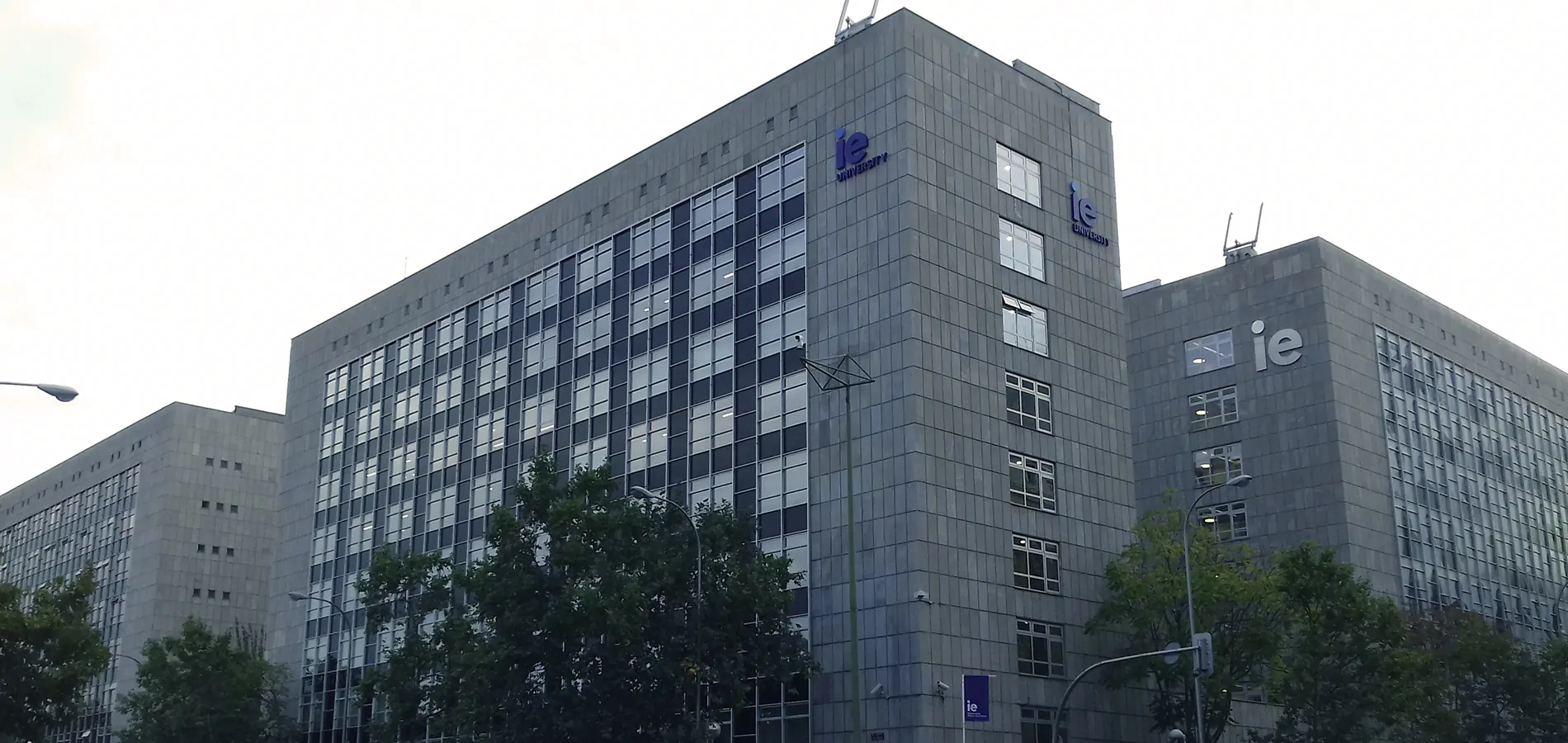
Velázquez Building
Guarantee of success

Sando Conservación y Energía

Sando Infraestructuras y Proyectos