Transportation terminals
Transportation hubs are essential infrastructure facilities that connect different modes of transportation, facilitating the efficient transfer of passengers and improving mobility. These facilities, typically located in urban areas, are designed to ensure functionality, accessibility, and sustainability, while adapting to the needs of travelers.
Sando Infraestructuras y Proyectos, with a proven track record in the industry, specializes in the construction of transportation terminals that meet the highest quality standards, establishing itself as a leader in the development of such infrastructure.
Transportation terminals are classified according to the mode of transport they handle, which influences their design, functionality, and location. Each type is tailored to the specific needs of users and logistics operations.
These stations facilitate passenger transportation by road, featuring boarding and alighting areas designed to ensure smooth traffic flow. In addition, they offer comfortable waiting areas equipped with basic amenities such as ticket counters, restrooms, and cafeterias, enhancing the user experience. Some stations also include spaces for bus parking and maintenance, ensuring their constant operational readiness. Notable examples are the intercity terminals that connect cities with rural areas, promoting essential accessibility and connectivity.
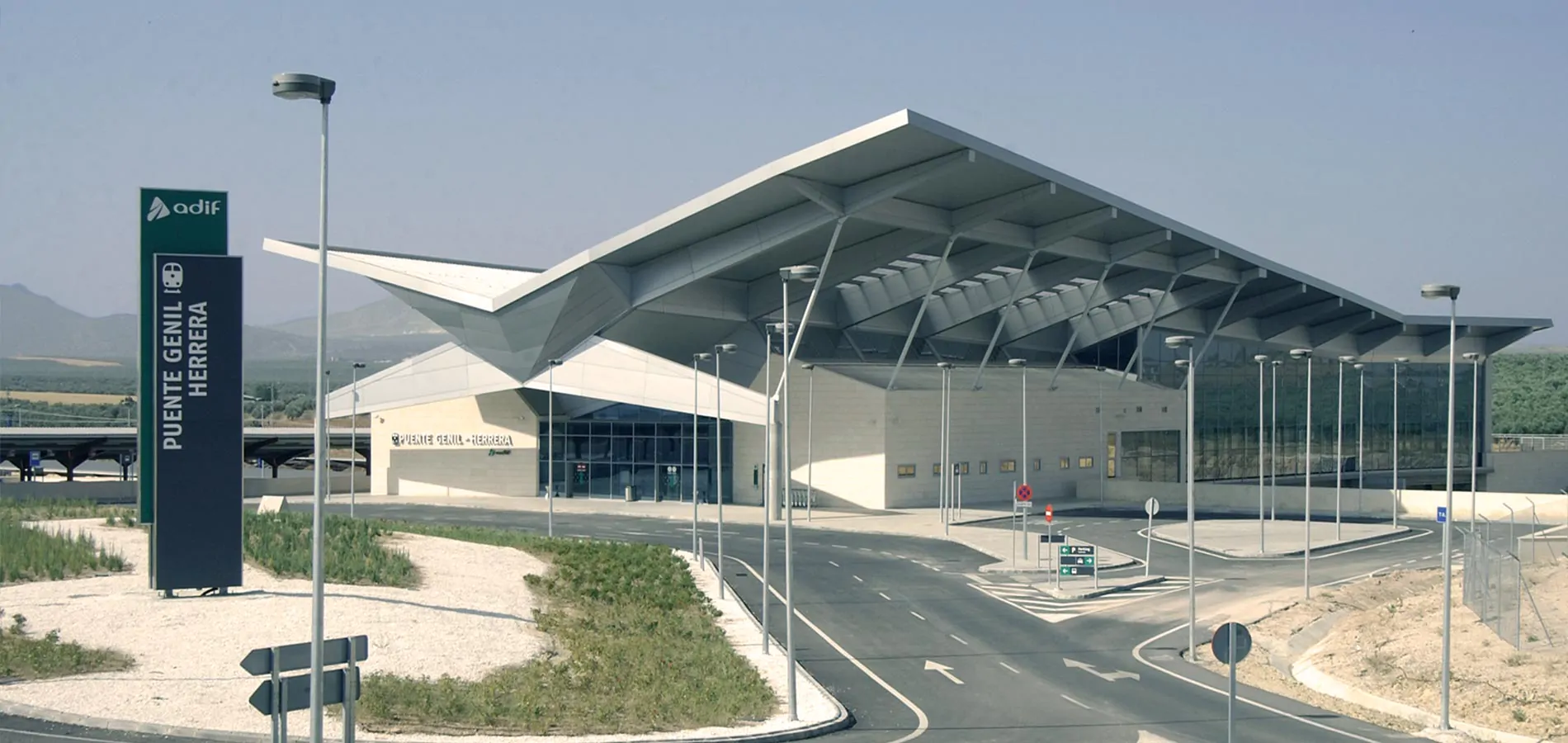
Train stations are key hubs for local, national, and international travel. These terminals integrate commuter lines, regional trains, and high-speed rail systems, offering advanced infrastructure that meets the needs of travelers. In addition, they feature amenities such as restaurants and shops, which enhance the user experience. Their connectivity with other modes of transportation, such as taxis, buses, and subways, reinforces their role as intermodal hubs. Prime examples are the central stations in Madrid and Barcelona, which combine connectivity and functionality.
In urban settings, subway stations are essential for managing high passenger volumes. These facilities, both underground and above ground, are designed to ensure quick and convenient access through escalators, elevators, and clear signage. Often connected to other systems such as buses and public bike-sharing programs, these stations optimize users’ overall mobility. Cities like Málaga and Seville stand out for their metro networks, which play a crucial role in daily mobility.
Airports are complex hubs that connect cities and countries through domestic and international flights. In addition to handling large volumes of passengers, they offer extensive service areas designed to enhance the user experience, such as shopping areas, currency exchange offices, and leisure spaces. Operationally, they incorporate advanced logistics systems for efficient baggage handling. Modern airports like Madrid-Barajas stand out for their intermodal capabilities, combining international flights with high-speed trains and buses, which improves their regional connectivity.
Maritime terminals manage the transport of passengers and cargo, featuring dedicated areas for boarding and disembarking from ferries and cruise ships. These facilities offer comfortable waiting areas, customs offices, and tourist services, ensuring connectivity with other land-based transportation systems. Ports such as those in Málaga and Valencia combine functionality with tourist appeal, serving as key hubs for international transit.
Intermodal terminals integrate various transportation systems into a single hub, optimizing mobility through fast and safe connections between trains, buses, subways, bicycles, cars, and maritime or air terminals. These facilities promote sustainable mobility models by encouraging the use of public transportation and reducing reliance on private vehicles.
Strategically designed, these terminals ensure an efficient user experience and help reduce CO₂ emissions, establishing themselves as a key component of modern mobility.
Modern intermodal terminals are designed not only for functionality but also to enhance the user experience. They feature retail areas, cafes, and rest areas that transform these spaces into dynamic environments. In addition, they offer personalized services such as accessible facilities for people with limited mobility, children’s play areas, and digital connectivity, including free Wi-Fi and systems that provide real-time information on schedules and connections.
These terminals meet high sustainability standards, both in their construction and operation. They incorporate energy-efficient technologies, such as LED lighting and sustainable HVAC systems, and use environmentally friendly materials. In addition, they promote sustainable mobility through solutions such as bike-sharing programs and electric vehicles.
Sando applies these principles to every project, ensuring that the terminals are functional and designed to meet future demands.
In densely populated urban areas, terminals must make the most of the available space without compromising their functionality. This requires designs that facilitate the efficient flow of passengers and vehicles, ensuring smooth operations even in limited spaces.
The seamless management of large volumes of passengers and vehicles is essential. Sando designs terminals that prioritize smooth traffic flow, incorporating innovative technologies that reduce delays and enhance the overall user experience.
With over 50 years of experience, Sando has established itself as a leader in the construction of transportation terminals. Its ability to manage complex projects—from train stations to intermodal terminals—demonstrates its commitment to quality, functionality, and sustainability.
Every Sando project incorporates an innovative approach that prioritizes operational efficiency and attractive architectural design, ensuring that the terminals meet both current needs and future challenges.
Transportation terminals
New and innovative spaces so that connections don’t stop you on your journey
Transportation terminals
Transport structures adapted to people’s needs without losing functionality.
At Sando Infraestructuras y Proyectos, we build efficient and sustainable transportation terminals where travelers can enjoy accessibility and comfort during their connections, drawing on our extensive experience in the design and construction of intermodal terminals.
Our experience in Transport terminals

Comprehensive renovation of the LED lighting of the ski slopes of Sierra Nevada

Comprehensive renovation service for LED public lighting in Huéscar
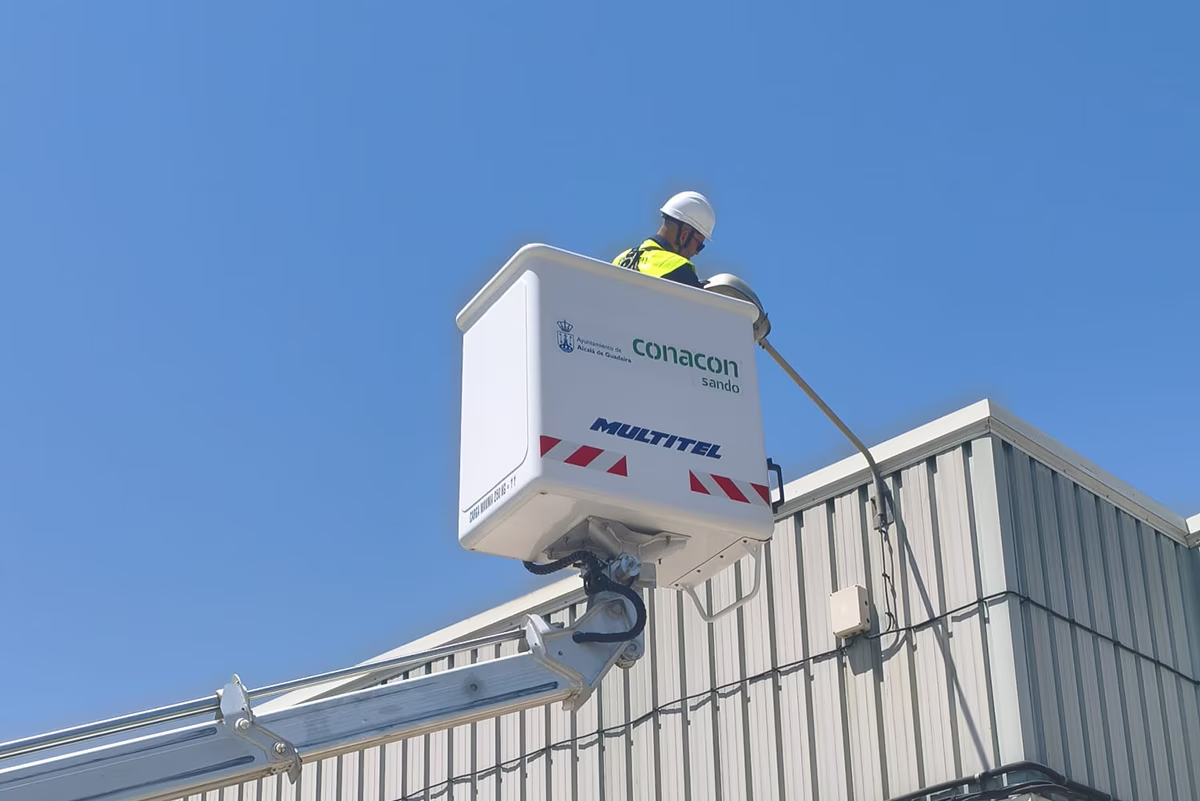
Public lighting maintenance service in Alcalá de Guadaíra
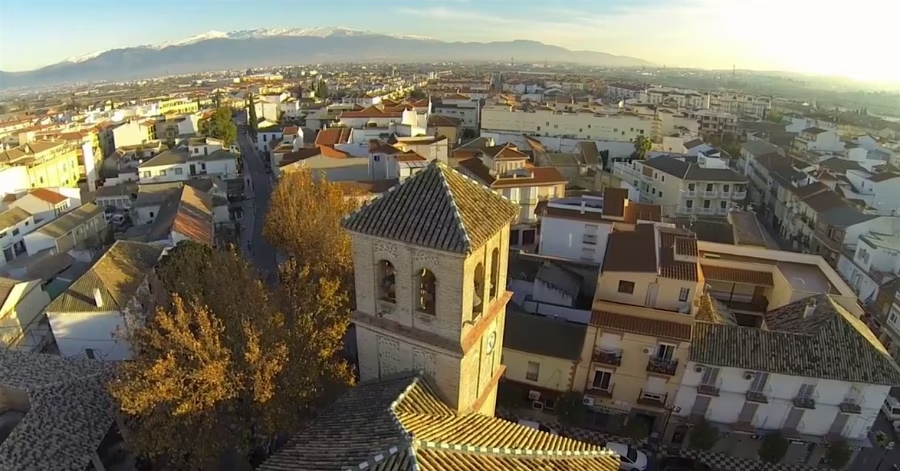
Comprehensive Renovation of the Street Lighting System in Cúllar Vega
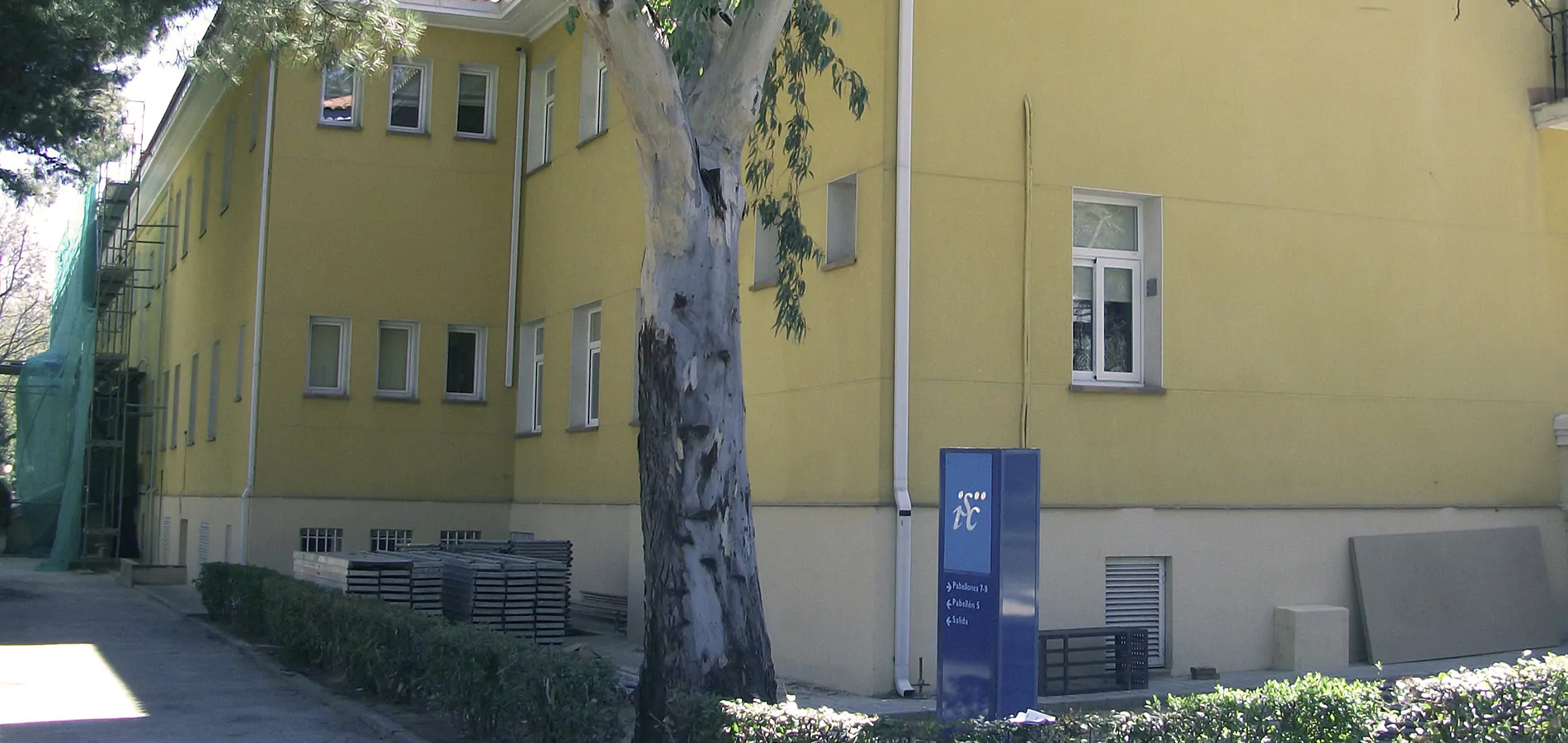
Refurbishment of Pavilion 12 of the Carlos III Health Institute
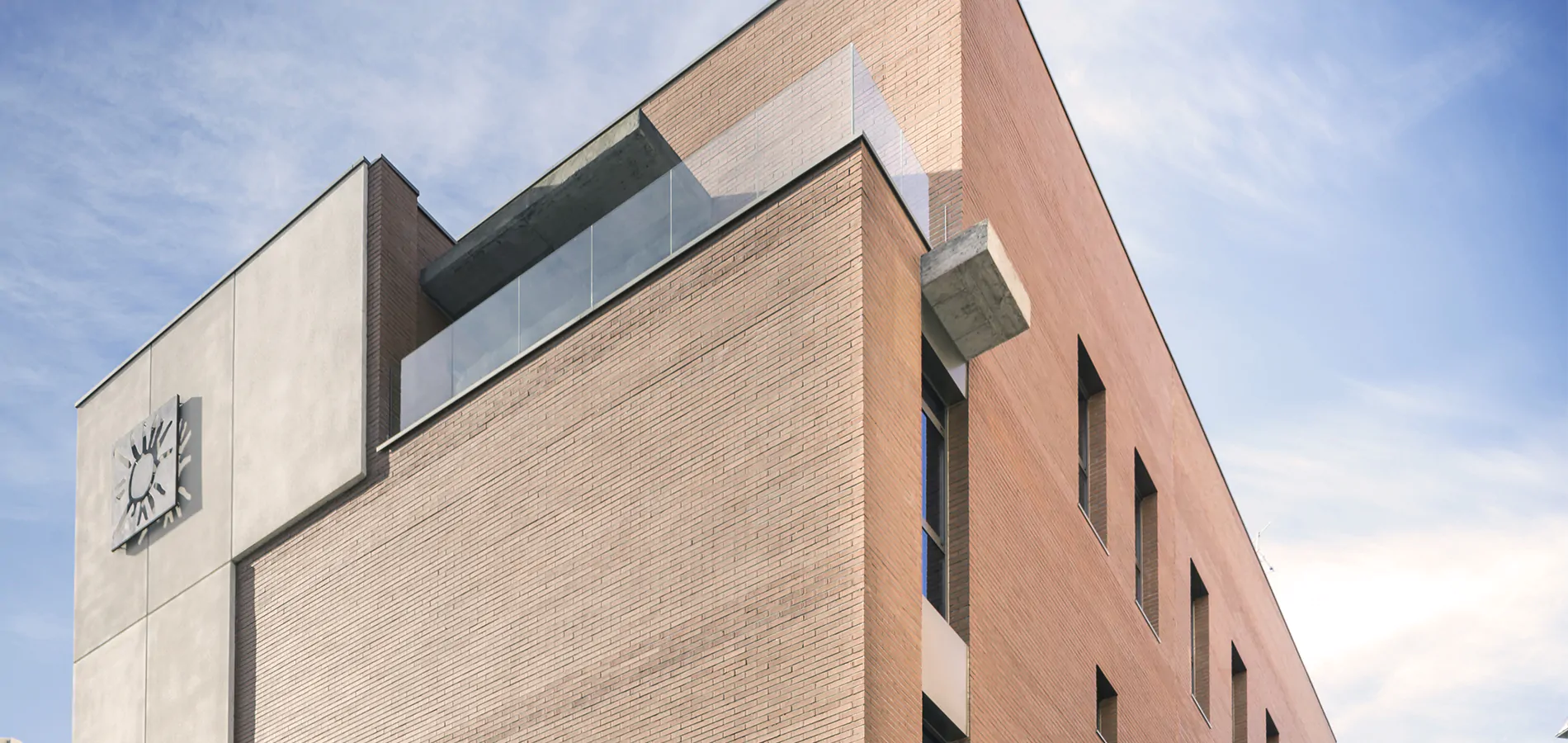
Alcalá de Henares Archaeological Museum
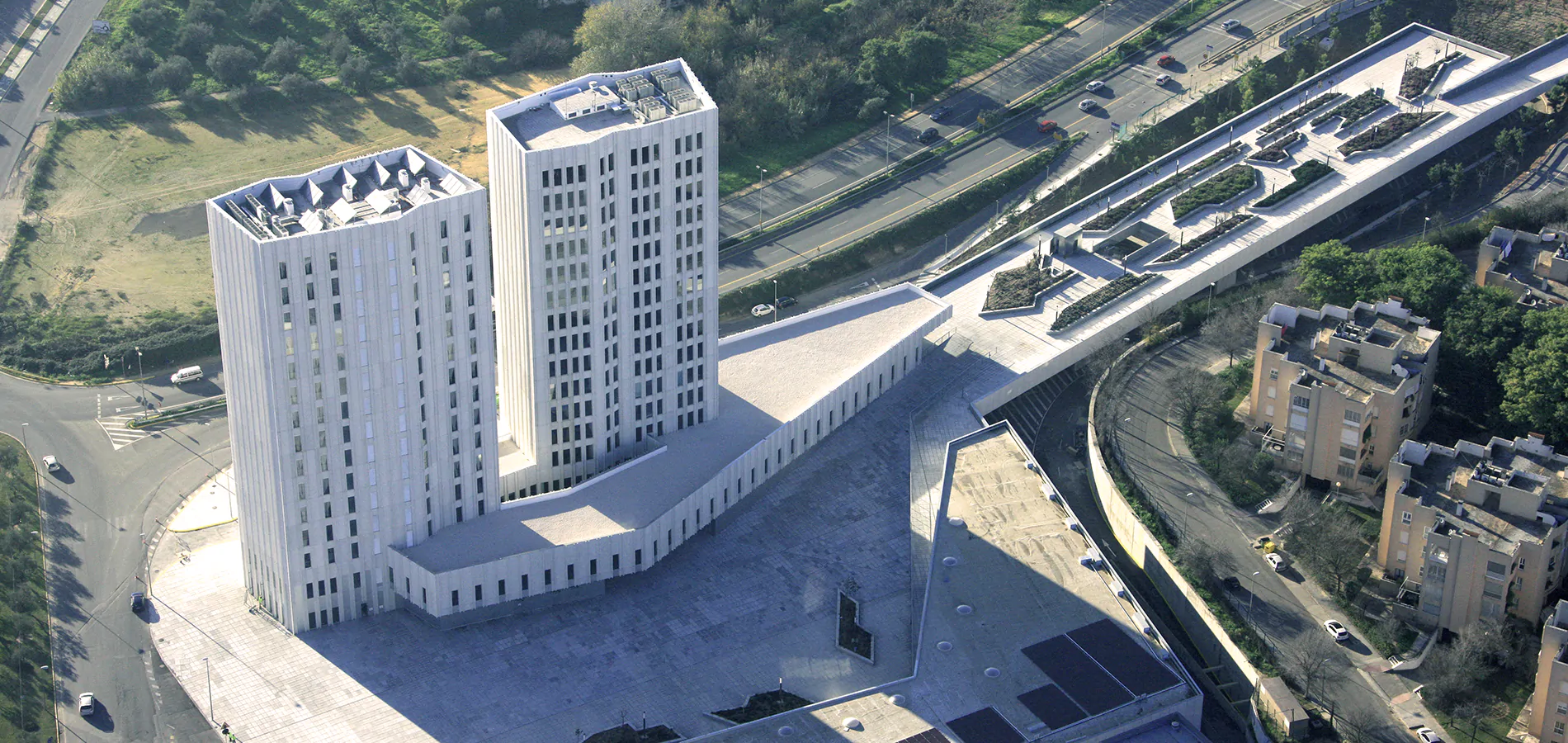
Aljarafe Central Complex
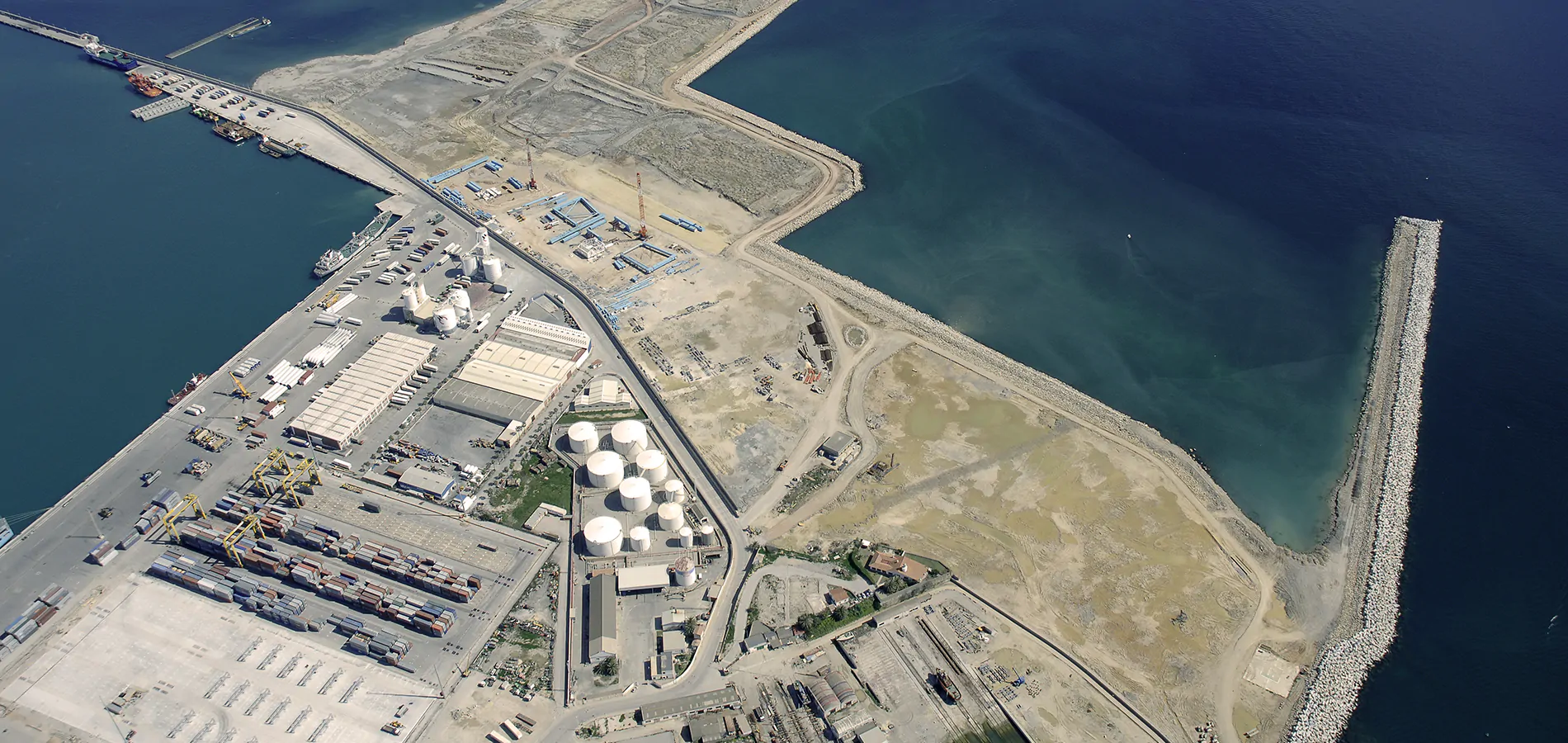
Maintenance of roads in the Bay of Algeciras
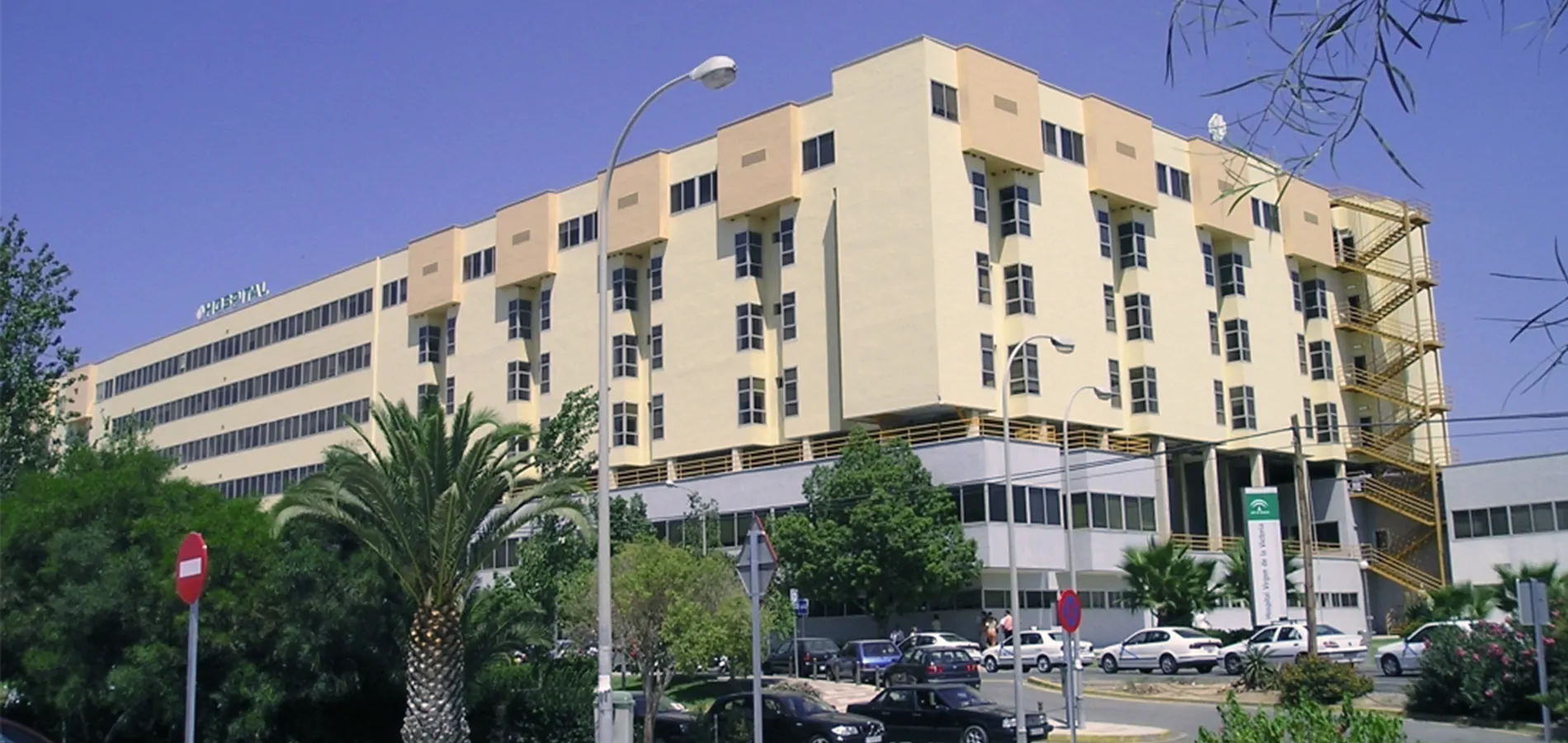
Hospital Virgen de la Victoria
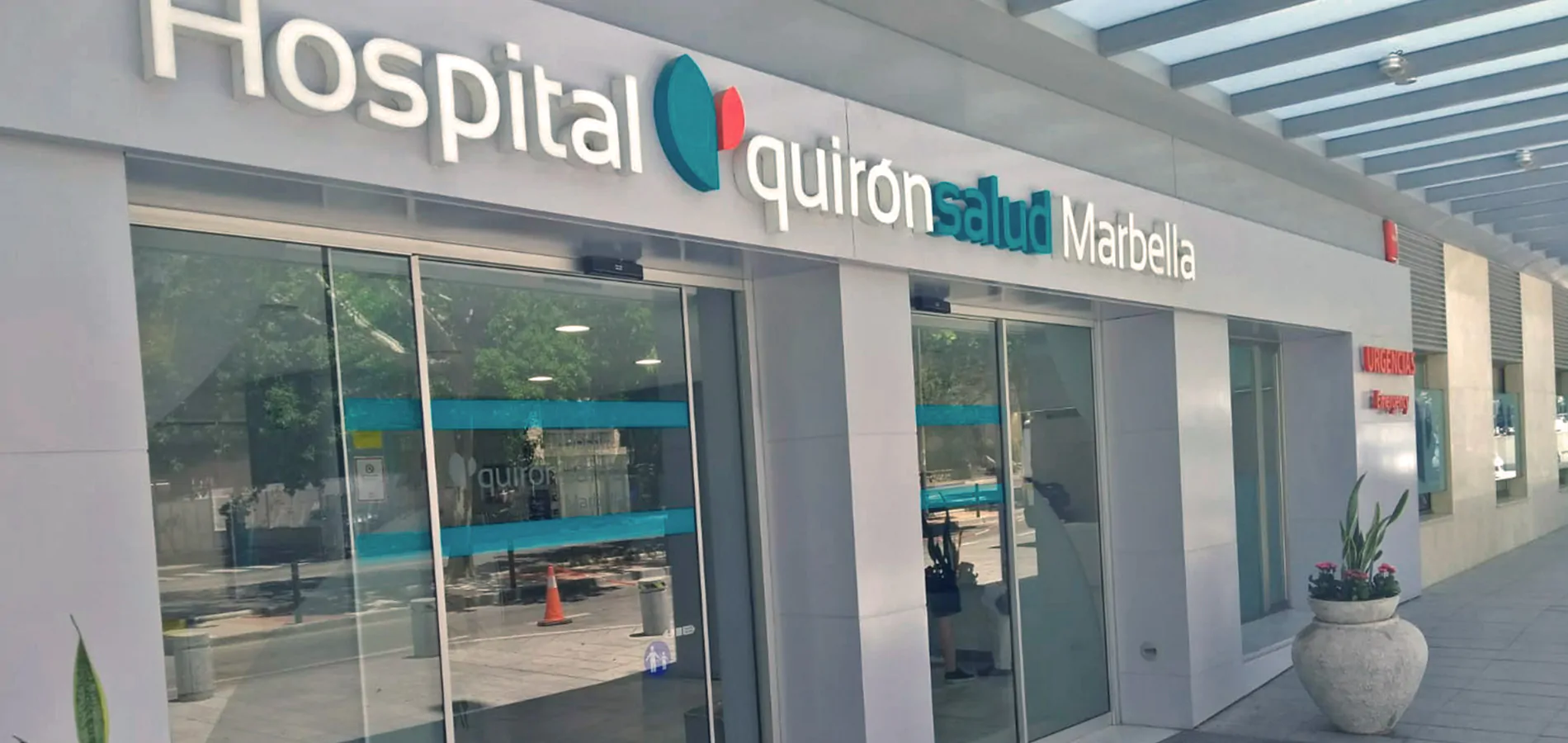
Hospital de Quirónsalud en Marbella
Guarantee of success


Sando Conservación y Energía

Sando Infraestructuras y Proyectos