Airport terminals

The airline industry is constantly evolving to adapt to the growing demands of travelers and the development of new technologies. Airport terminals, as the central hub of airports, play a key role in this transformation, combining functionality, design, and comfort to optimize the user experience.


What is an airport terminal, and what are its functions?

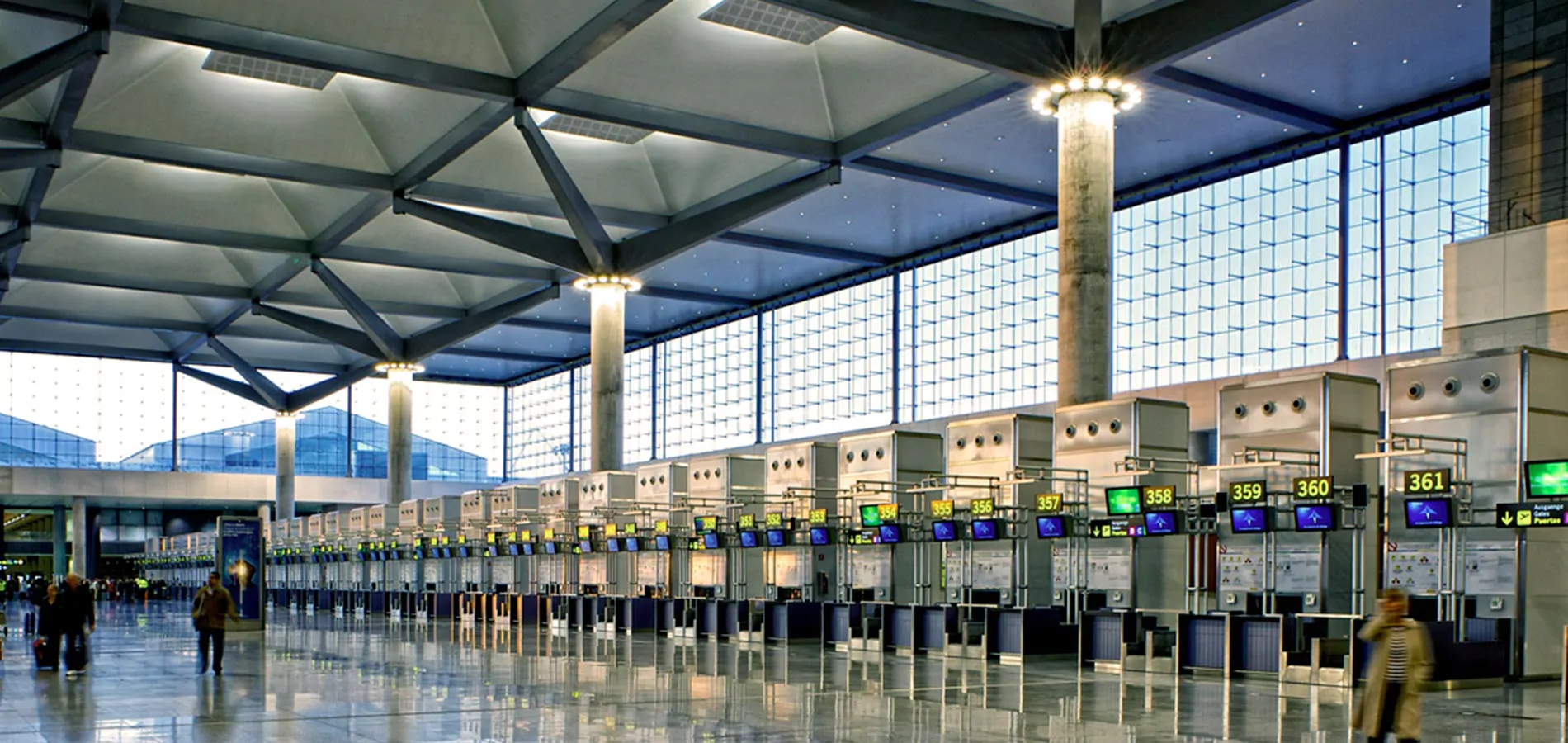
An airport terminal is a facility designed to facilitate the flow of passengers and cargo between ground transportation and aircraft. Its primary purpose is to serve as a transport hub, managing essential operations such as check-in, boarding, and baggage claim.

In general, terminals are divided into three main areas:

  • Public area: Areas accessible to the general public, such as check-in counters, shopping areas, restaurants, arrival and departure lobbies, and connections to other modes of transportation.
  • Restricted passenger area: Areas accessible after passing through security checkpoints, including waiting lounges, boarding gates, passport control, and customs.
  • Restricted area: Areas reserved exclusively for staff, such as operations offices, maintenance areas, and storage areas.

What is the difference between an airport and a terminal?

An airport is a facility that includes multiple components, such as runways, taxiways, control towers, and terminals. The terminal, on the other hand, is the part of the airport dedicated to handling passengers and their interactions with air travel.

How many terminals can an airport have?

The number of terminals at an airport varies depending on its size and traffic volume. For example:

  • Adolfo Suárez Madrid-Barajas Airport has four main terminals.
  • At smaller airports, a single terminal may be sufficient to handle regional or domestic traffic.


What types of airport terminals are there?

Terminals are designed based on the type of traffic they are intended to handle. The main types include:

  1. Domestic terminals: For domestic flights within the same country.
  2. International terminals: Designed to handle flights between different countries, with customs and passport control.
  3. Regional airports: Focused on short-haul flights.
  4. Cargo terminals: Exclusively for cargo handling.
  5. Combined terminals: These handle both passenger and cargo traffic.


How are airport terminals designed?

The design of a terminal is influenced by factors such as:

  • Expected passenger volume: The size and capacity of the terminal must meet current and future needs.
  • Type of traffic: Domestic, international, or mixed.
  • Connections to other modes of transportation: Access to trains, buses, or subways.
  • Passenger experience: Introduction of additional services such as VIP lounges, restaurants, gaming areas, and business centers.

In addition, the design must strike a balance between functionality and aesthetics, creating spaces that are both efficient and attractive. Examples such as the Beijing Daxing International Airport, with its futuristic design, and Singapore’s Changi Airport, which incorporates green spaces and recreational facilities, are leading examples of innovation in airport terminals.


How do airport terminals improve the passenger experience?

Modern terminals not only handle technical operations but are also designed to provide passengers with a pleasant experience. Some of the most common services include:

  • Shops and restaurants.
  • Recreation and entertainment areas, such as game rooms and museums.
  • Additional amenities, such as gyms, places of worship, and charging stations for electronic devices.
  • Free Wi-Fi and business centers.

These services aim to reduce travel-related stress and ensure a comfortable and efficient experience.


Sustainability at Airport Terminals

Terminals are adopting sustainable practices to reduce their environmental impact, such as:

  • Use of renewable energy (solar panels, LED lighting).
  • Efficient design that optimizes resource use.
  • Proper waste and water management.

Airports such as Oslo Gardermoen Airport have been at the forefront of implementing sustainable terminals, demonstrating that design and environmental sustainability can go hand in hand.


Our experience with airport terminals

At Sando Infrastructure and ProjectsWe are experts in the design and construction of airport infrastructures, including versatile and efficient terminals. Our team has participated in large-scale projects, always ensuring quality, functionality and sustainability in each project.

Why trust in Sando Infraestructuras y Proyectos?

  • Proven experience: Projects carried out in the main airports in Spain.
  • Innovative design: Terminals adapted to current and future needs.
  • Sustainability: Environmentally friendly solutions.

If you are looking for a reliable partner for airport terminal projects, at Sando Infraestructuras y Proyectos we transform your ideas into concrete and efficient solutions.
Terminales aeroportuariasTERMINALES AEROPORTUARIAS

Airport terminals

Building airports and creating spaces that connect people

we tell you more
Specialized experience

We put the latest technology and our specialised experience at the service of our clients for the sustainable construction of airports.

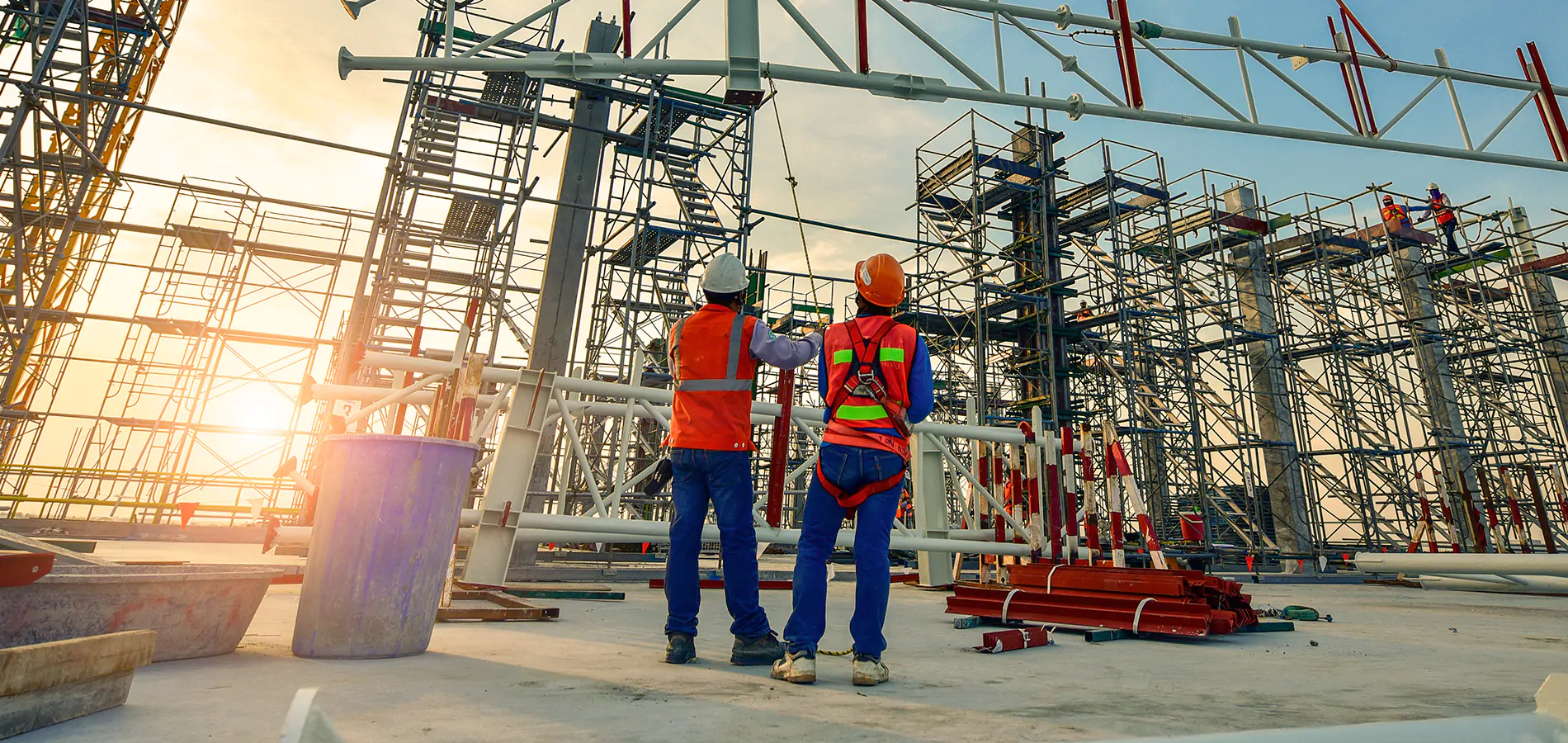
Through Sando Infraestructuras y Proyectos we carry out the execution of airport infrastructures adapted to the mobility needs and technical requirements of the area, with the execution of interior installations that seek the maximum operability of the users while seeking energy efficiency and the reduction of environmental impact.

related projects

Our experience in airports terminals

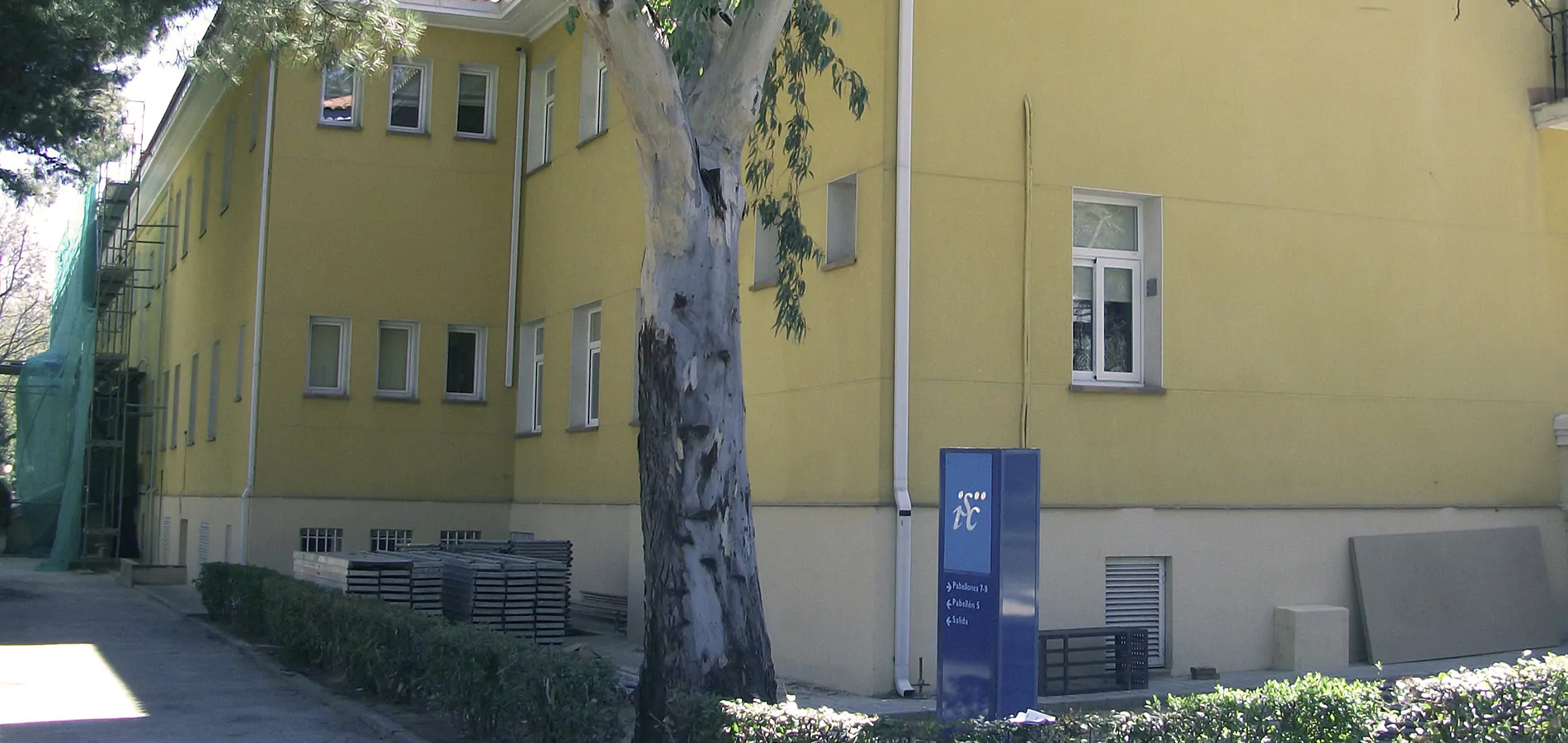
Sando Construcción se encarga de los trabajos de rehabilitación del edificio integral del pabellón 12 del Instituto de Salud Carlos III.
Sustainable building

Refurbishment of Pavilion 12 of the Carlos III Health Institute
Madrid (Community of Madrid)
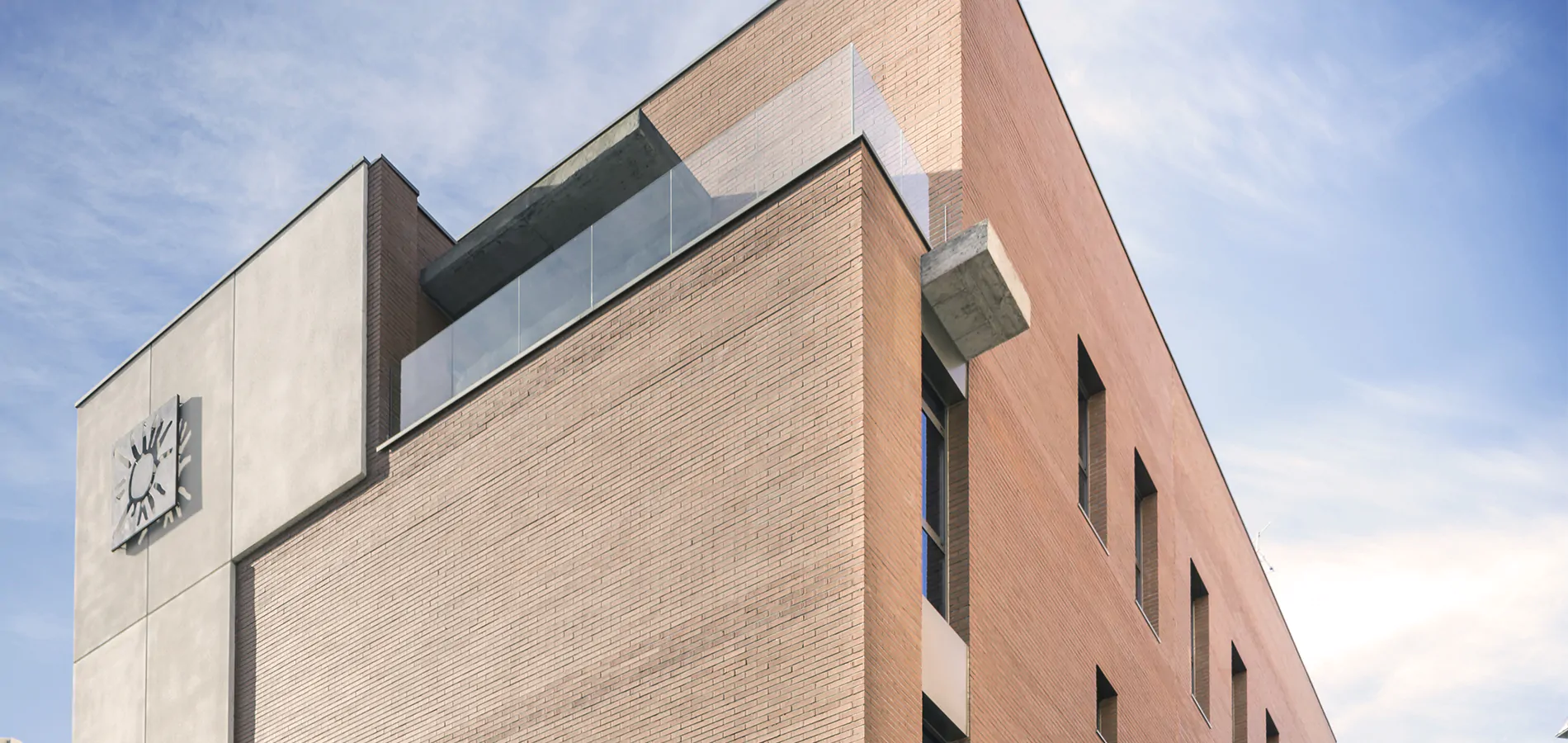
Sando construye el nuevo edificio que actúa como ampliación del Museo Arqueológico Regional de la Comunidad de Madrid, en Alcalá de Henares.
Construction and refurbishment of offices

Alcalá de Henares Archaeological Museum
Madrid (Community of Madrid)
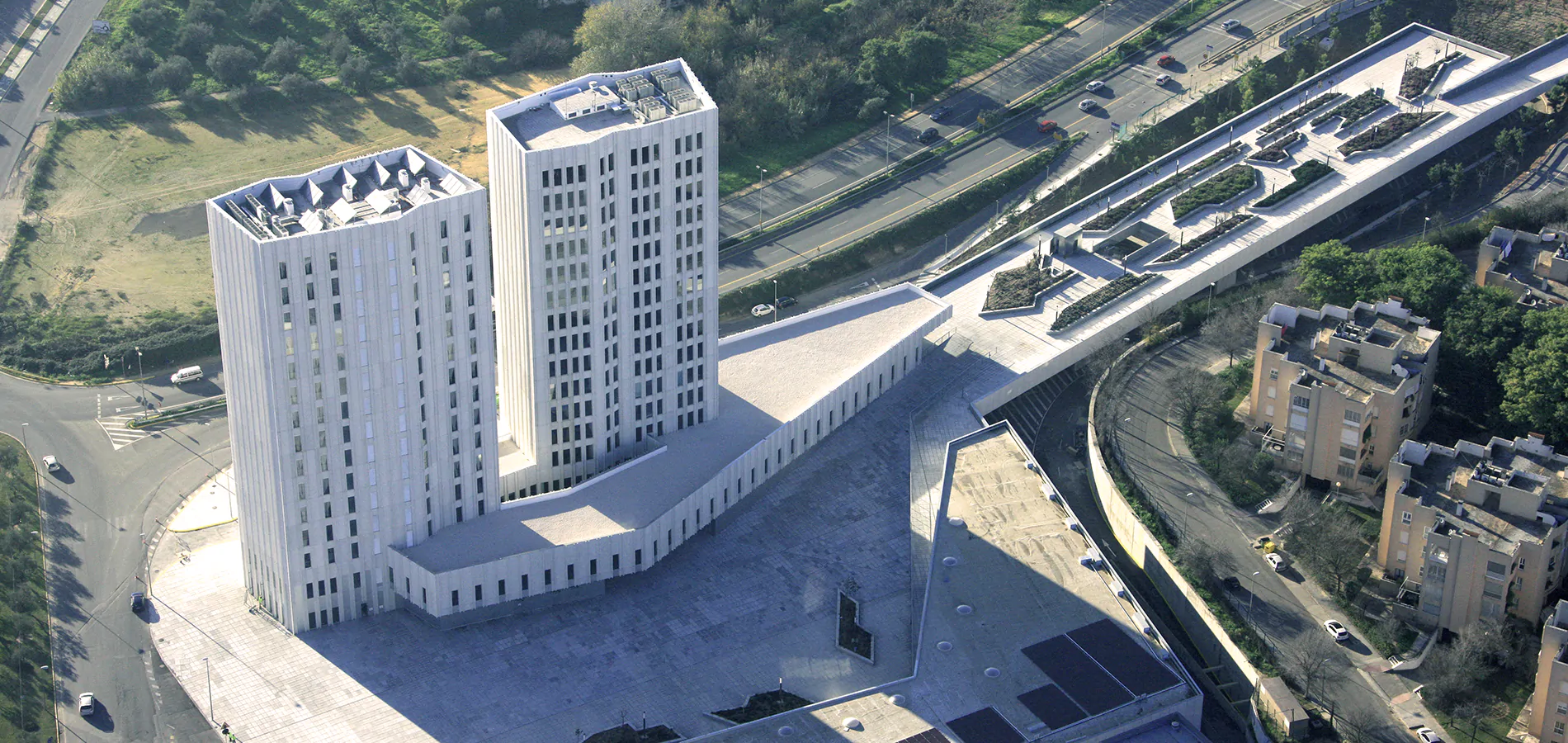
Sando Construcción construye el Intercambiador de Transportes de Ciudad Expo en el complejo Aljarafe Center en Sevilla.
Construction and refurbishment of offices

Aljarafe Central Complex

Seville (Andalusia)
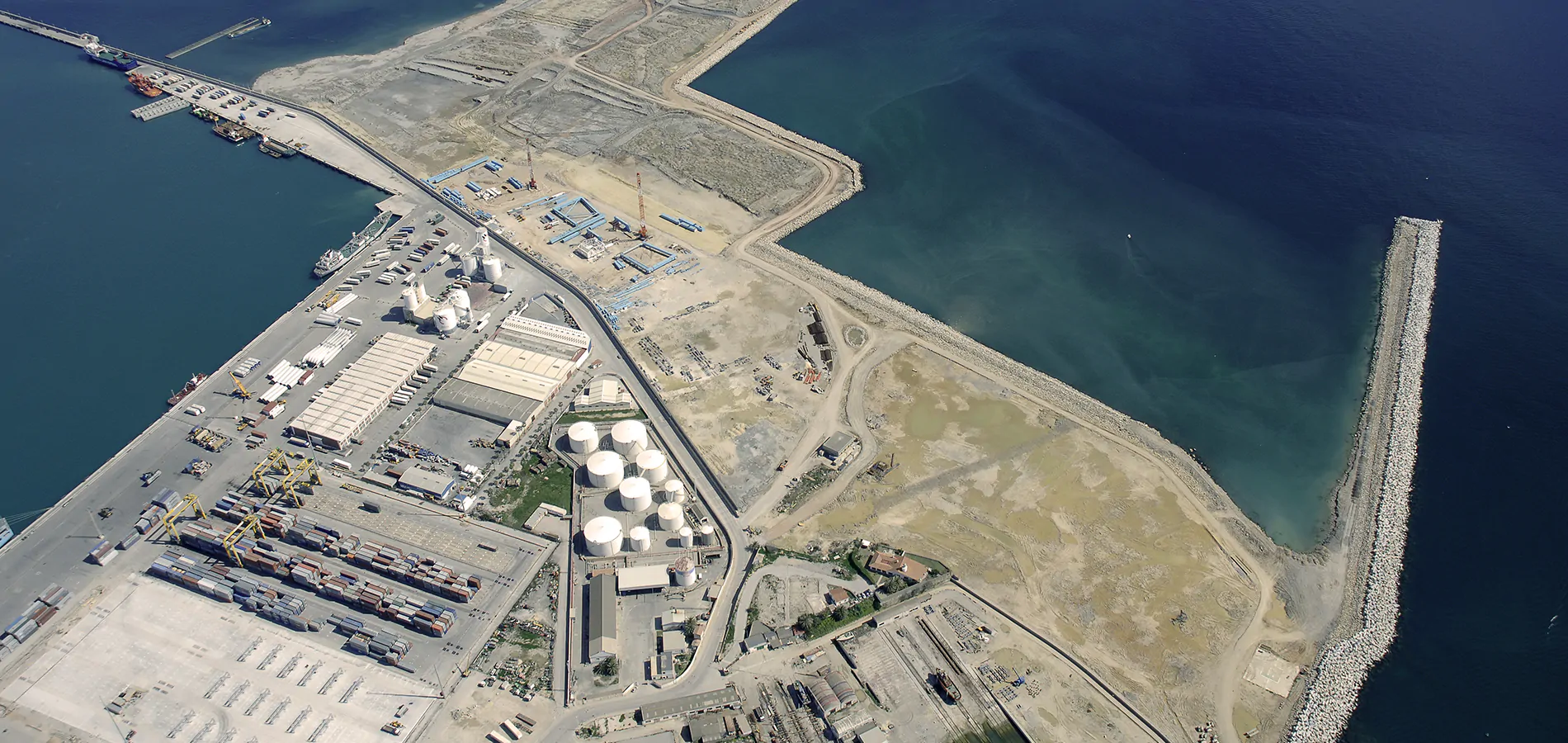
El mantenimiento de viales en l bahía de Algeciras abarca distintas actuaciones en los puertos de la Autoridad Portuaria.
Urban conservation and smart cities

Maintenance of roads in the Bay of Algeciras
Algeciras (Andalusia)
Sando Construcción realiza la reforma y ampliación del Hospital de Día Onco-Hematológico del Hospital Virgen de la Victoria de Málaga.
Sustainable building

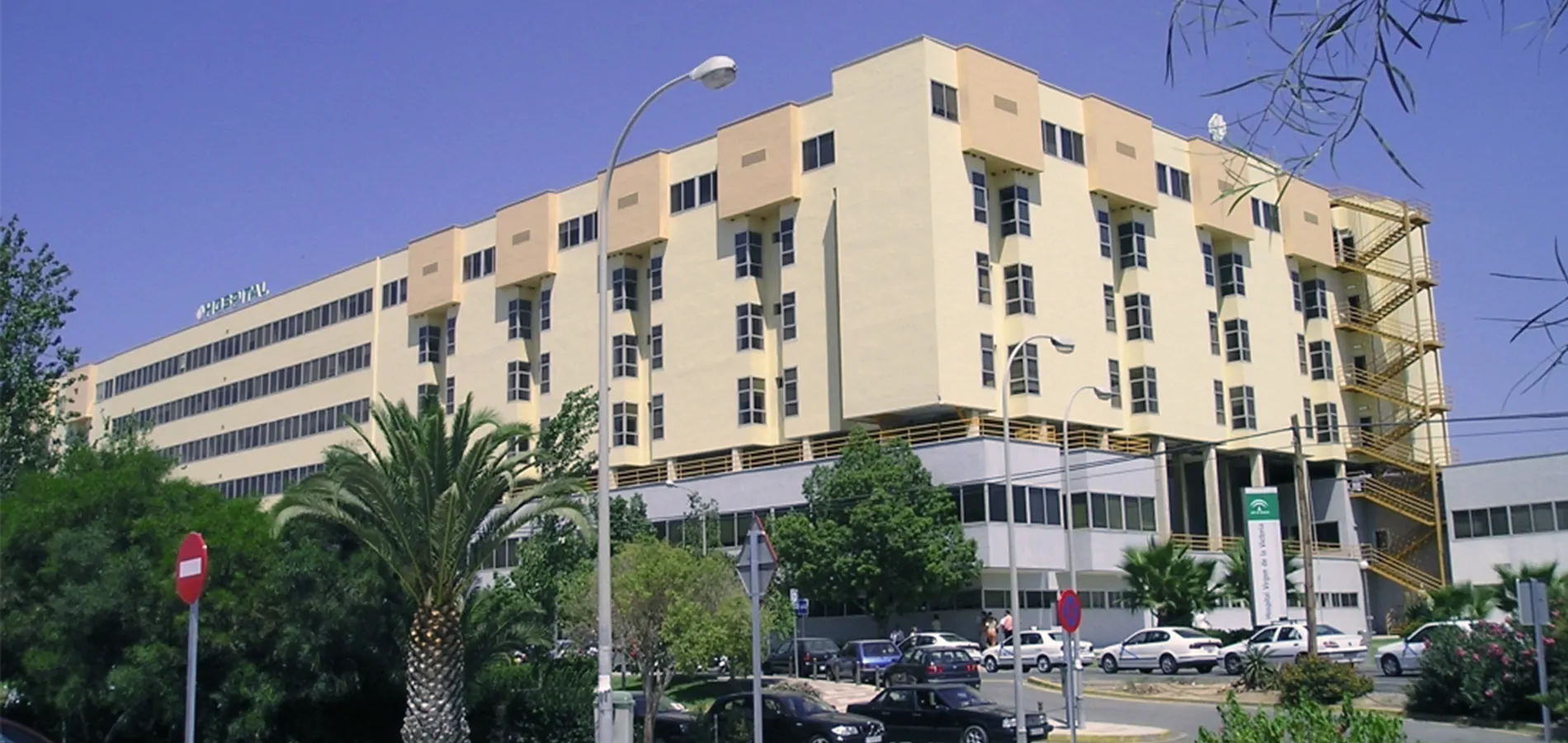
Hospital Virgen de la Victoria

Cártama (Andalusia)
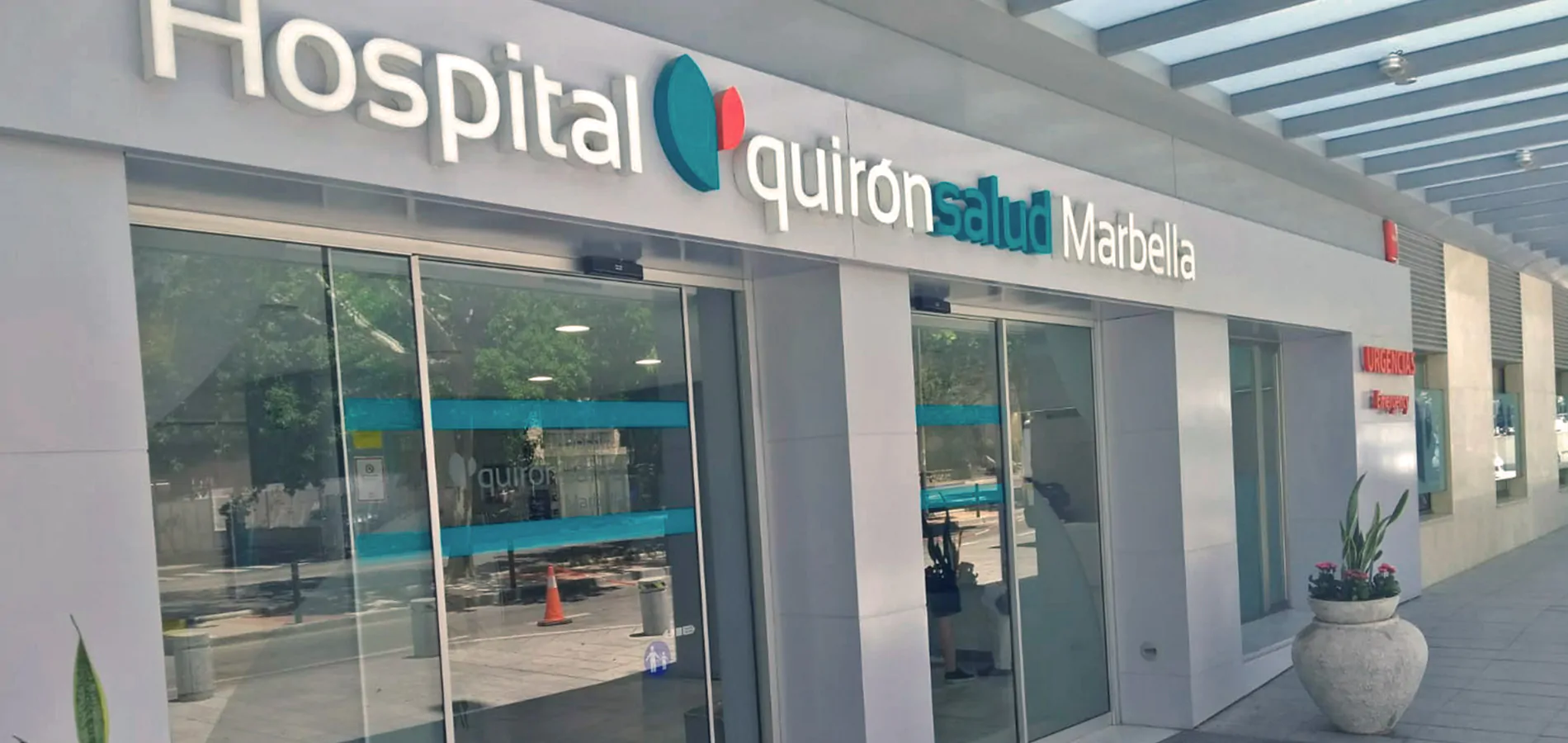
Hospital Quirón Marbella
Sustainable building

Hospital de Quirónsalud en Marbella

Marbella (Andalusia)
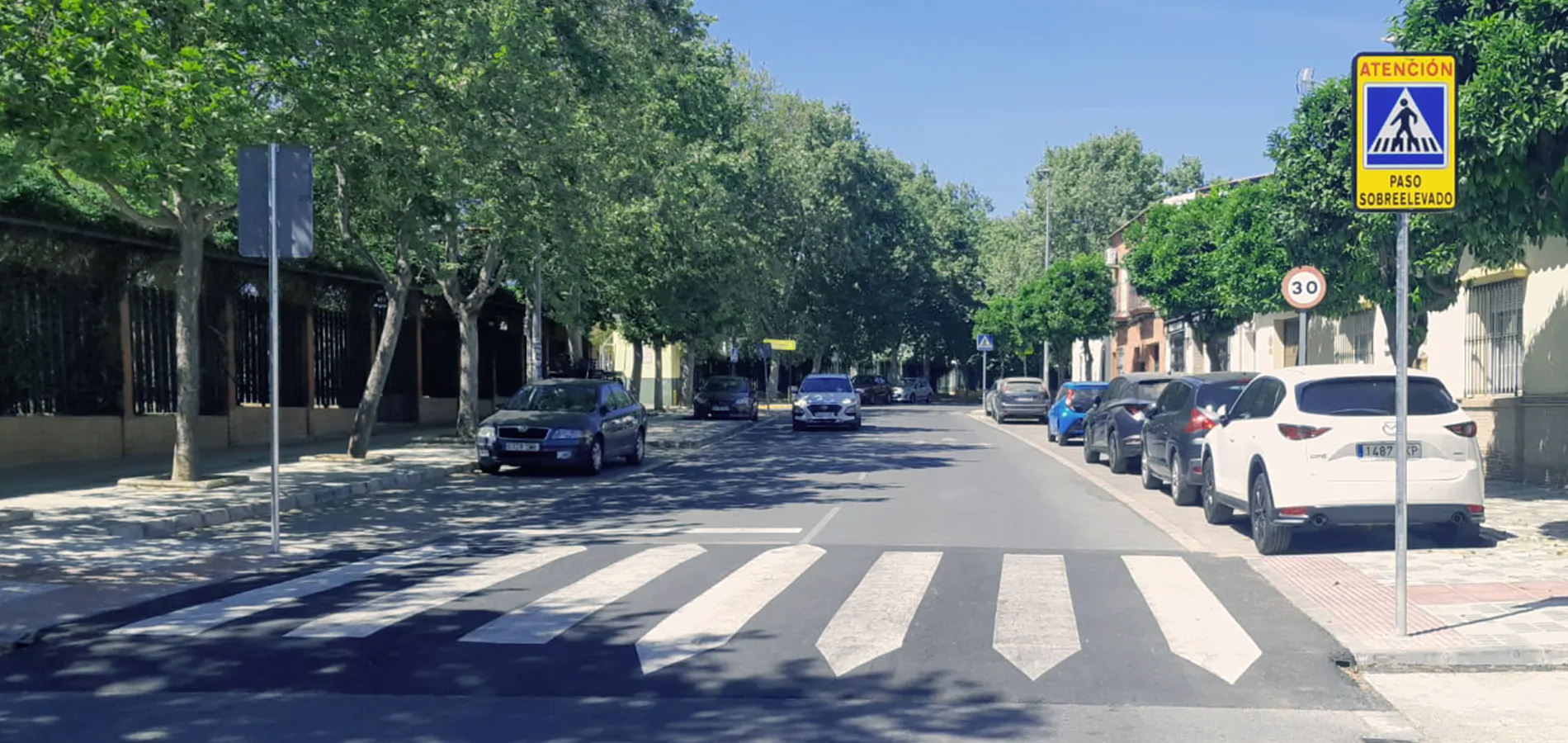
Conacon Sando se encarga del mantenimiento del viario de Bormujos en Sevilla, con acciones para la mejora de la accesibilidad.
Urban conservation and smart cities

Bormujos Road Maintenance

Seville (Andalusia)
Rehabilitación del edificio del Consorcio de Compensación de Seguros, situado en el Paseo de la Castellana 44 Madrid.
Sustainable building

Consorcio Seguros Building Castellana 44
Madrid (Community of Madrid)
Sando Construcción ejecuta las nuevas instalaciones logísticas de Mayoral Moda Infantil en el polígono industrial Intelhorce, en Málaga.
Sustainable building

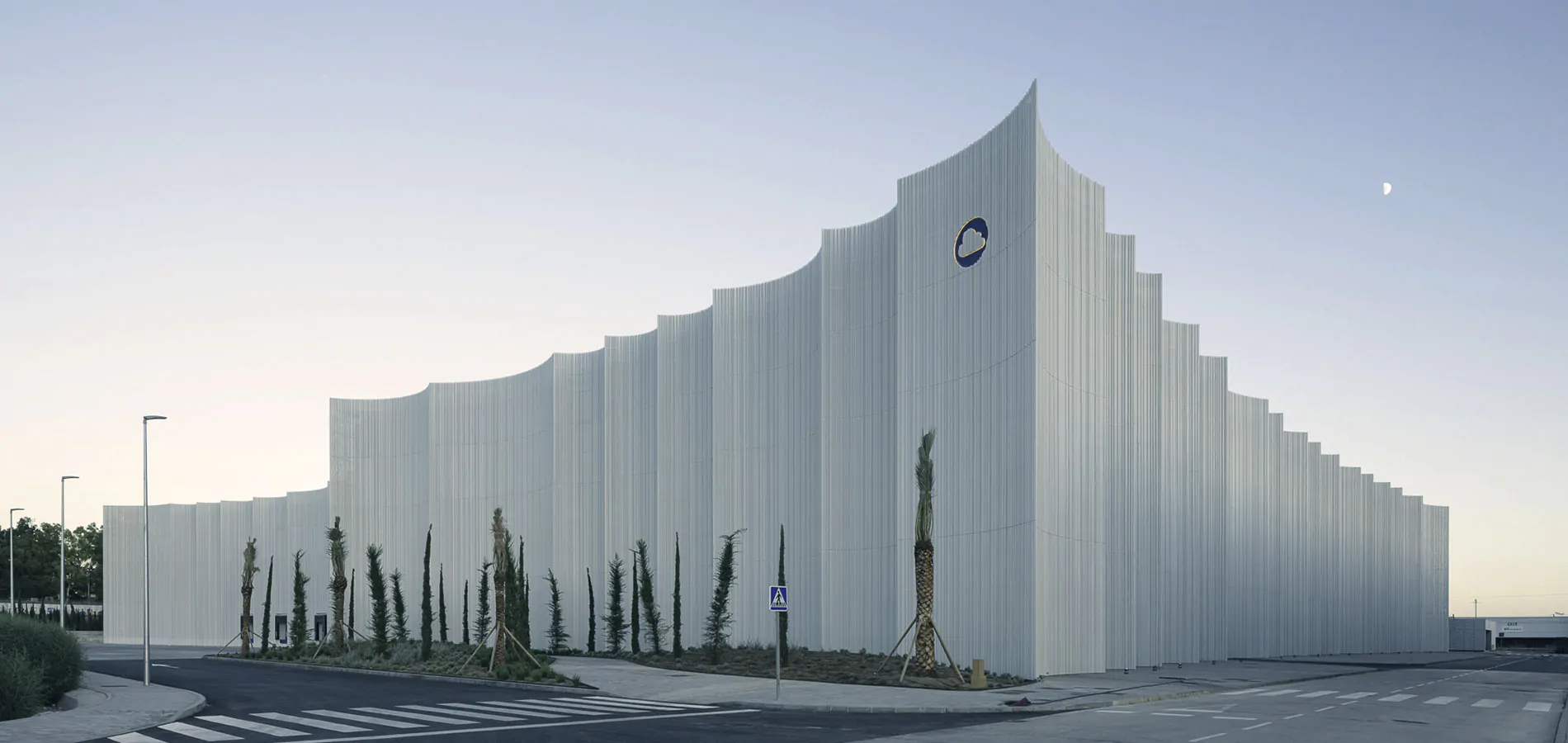
Mayoral’s logistics facilities in Malaga
Cártama (Andalusia)
Edificio Velázquez
Construction and refurbishment of offices

Velázquez Building

Madrid (Community of Madrid)

News Infrastructures

Sando Infraestructuras y Proyectos y Sando Conservación y Energía han superado las auditorías de seguimiento realizadas por la entidad AENOR conforme a la norma internacional ISO 19650 (partes 1 y 2). Esta certificación acredita la correcta gestión de la información en proyectos desarrollados con metodología BIM en la compañía.

Sando passes the AENOR audit for BIM certification in accordance with ISO 19650

Sando Conservación y Energía lidera el proyecto SOTER, una innovadora iniciativa de I+D+i orientada al desarrollo de un sistema avanzado para la inspección automatizada del estado de los pavimentos, basado en el uso de imágenes de satélite de muy alta resolución e inteligencia artificial que permite desarrollar un mantenimiento preventivo en grandes superficies.

Sando applies satellite imagery and AI in SOTER innovation project to improve road maintenance

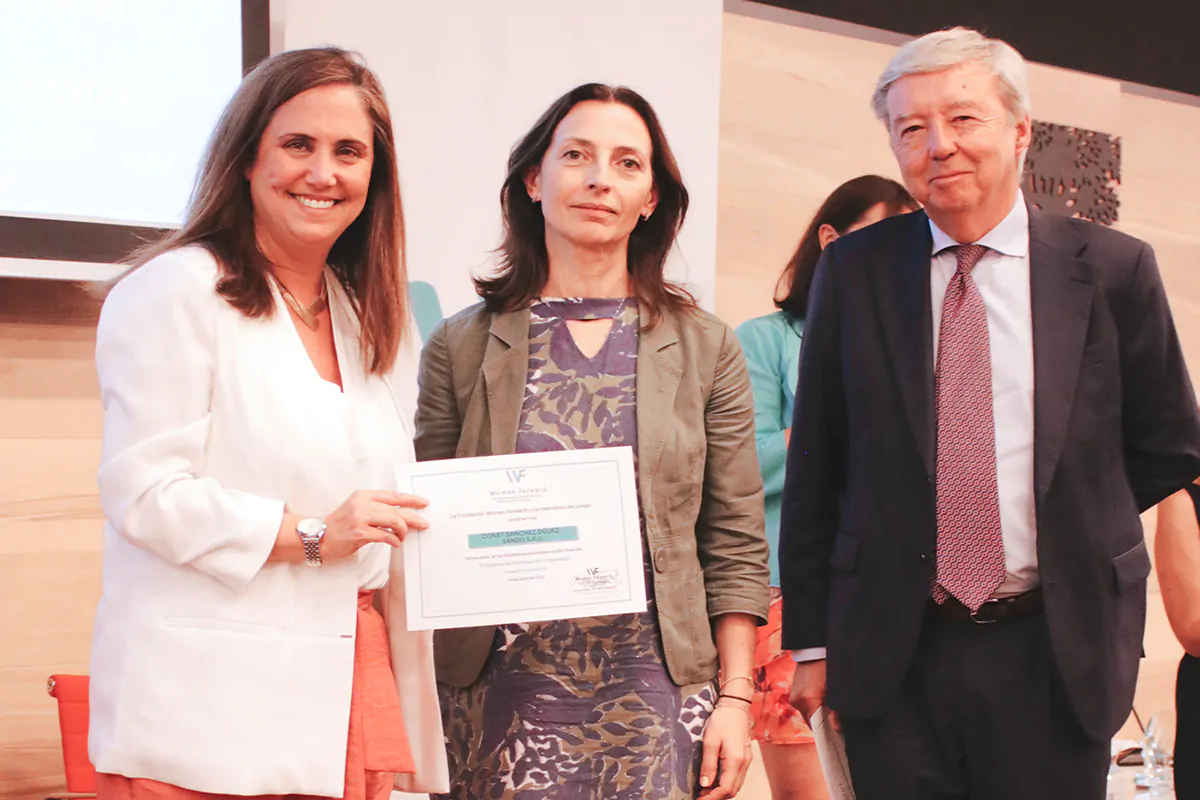
Sando Construcción entra en el Ranking de Empresas por la Igualdad en el número 29, la única constructora del país

Sando Construcción enters the Corporate Equality Index at number 29, the only construction company in the country

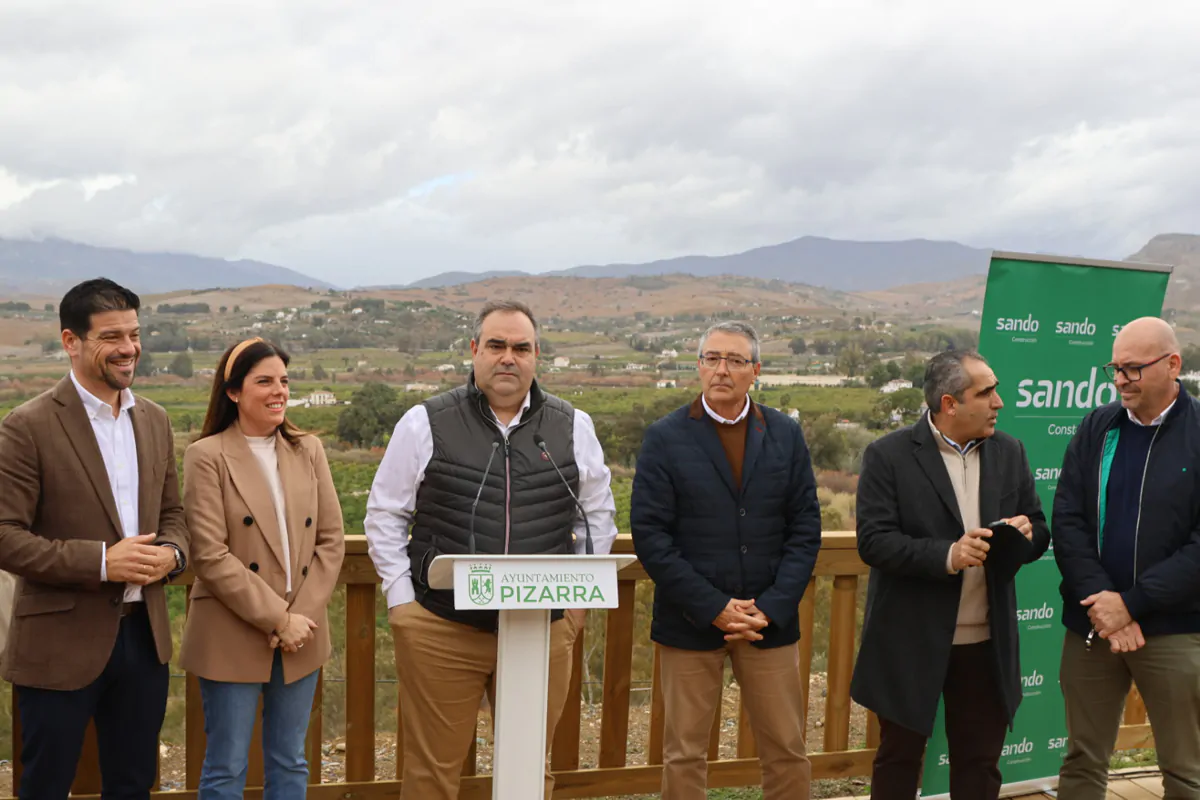
Se ha inaugurado el nuevo tramo del Corredor Verde construido por Sando en Pizarra. Un proyecto para la recuperación del río Guadalhorce.

Inauguration of the Green Corridor between Pizarra and La Vega Hipólito

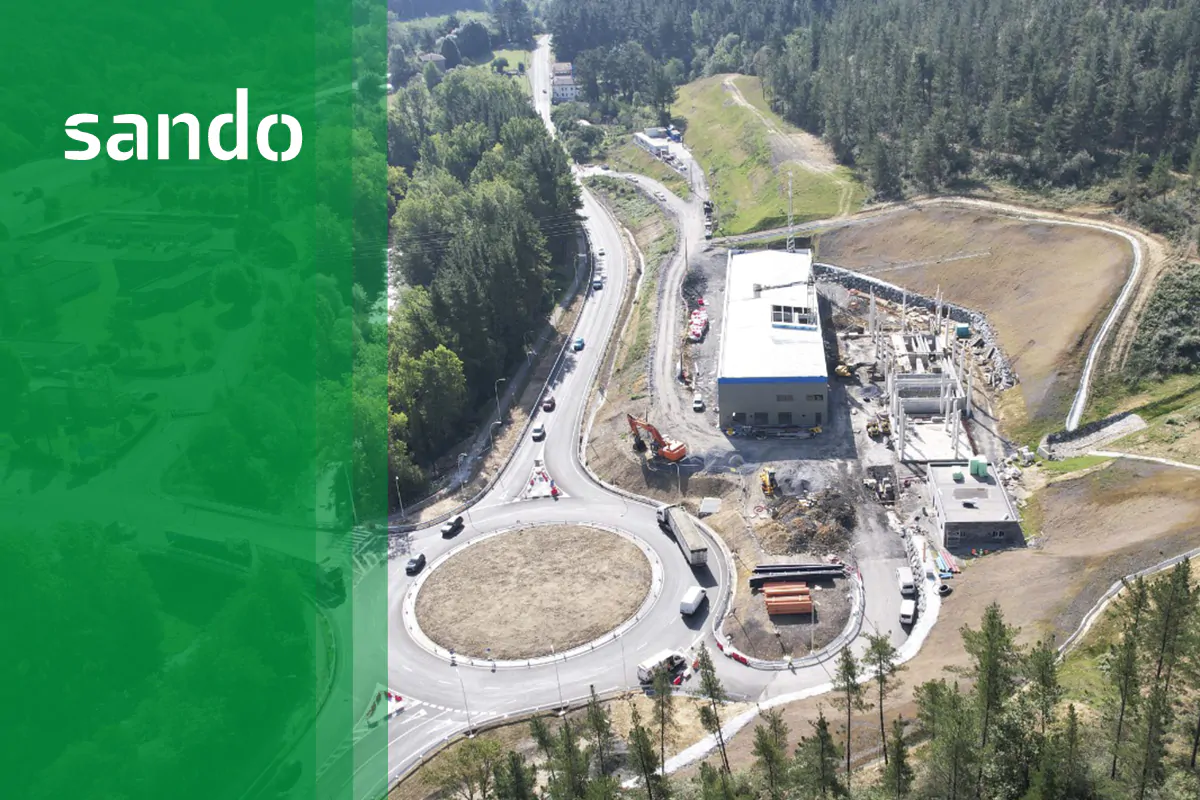
Sando realiza la construcción de la EDAR de Basaurbe en Llodio para la Confederación Hidrográfica del Cantábrico (CHC).

Sando builds the Basaurbe WWTP in the Basque Country to serve the population of Llodio

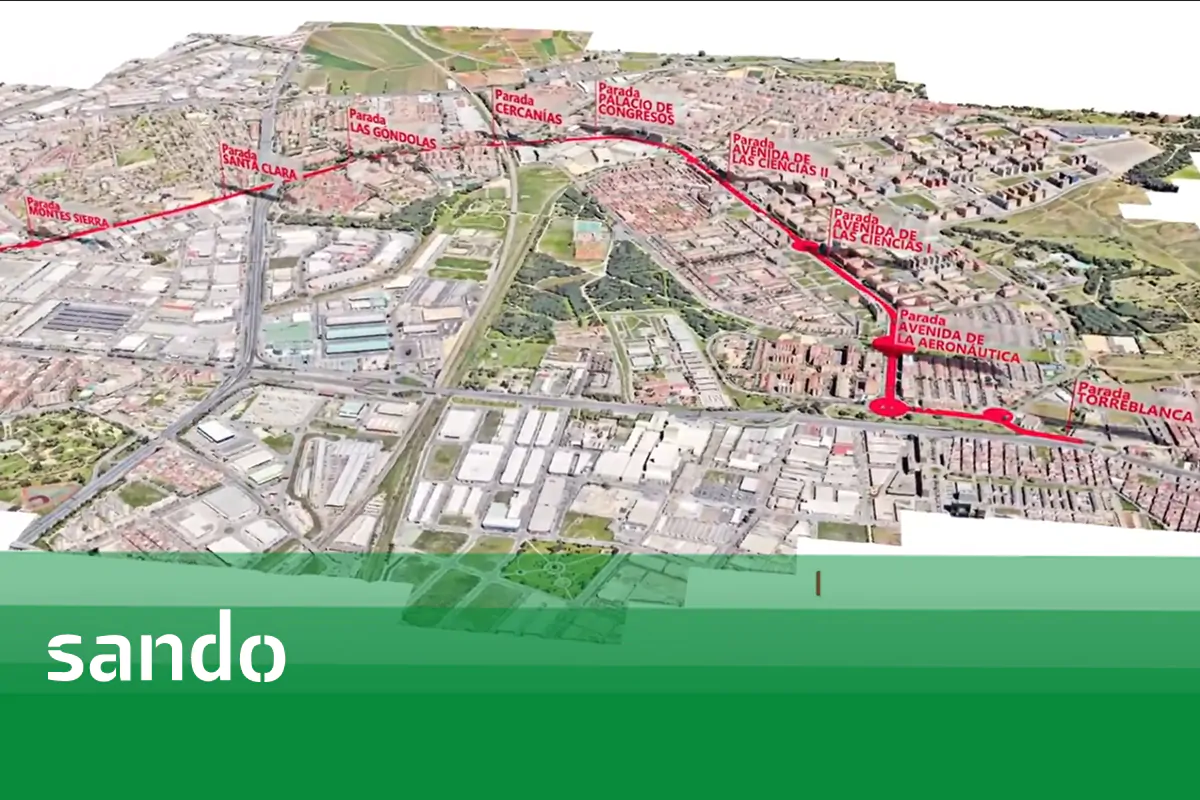
La Junta de Gobierno del Ayuntamiento de Sevilla ha encargado a Sando las primeras obras del tranvibús por 20,7 millones de euros.

Sando to build the new Seville Tramway

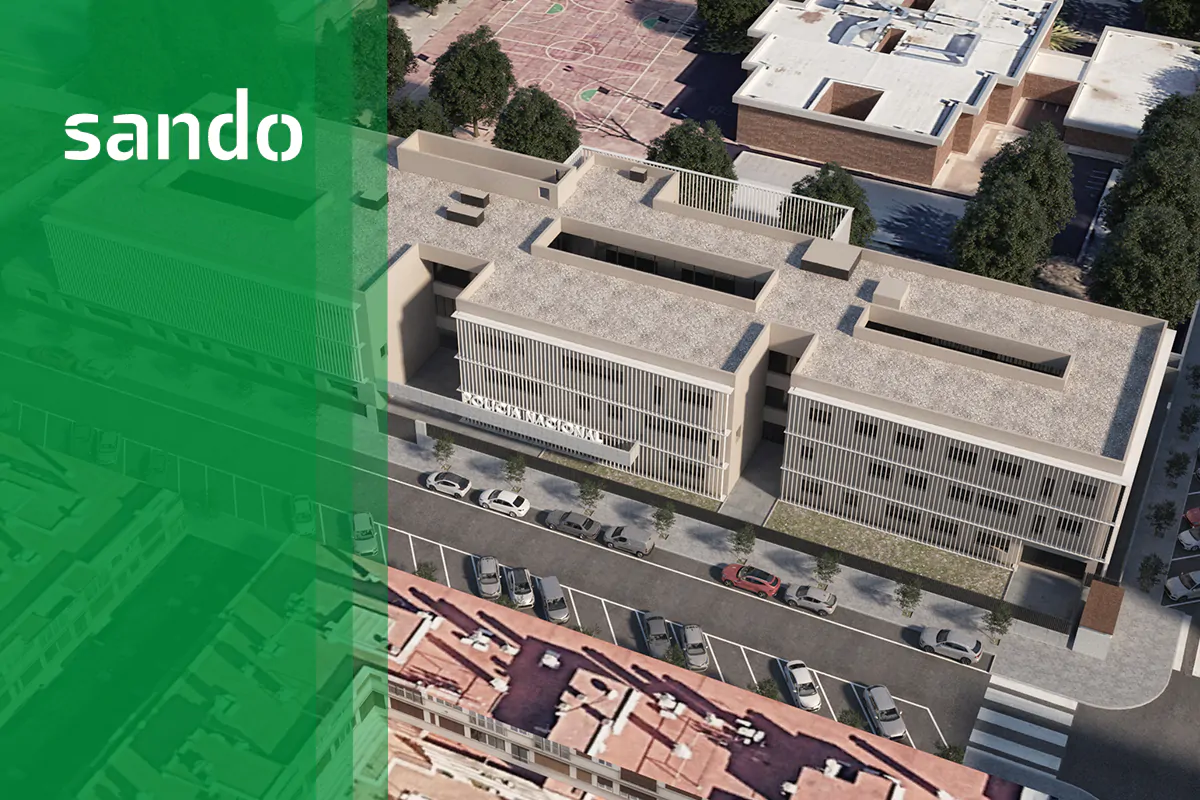
Sando will build the new police station in the Eastern District of Cordoba

La planta de hormigón de Villa Rosa instala placas solares fotovoltaicas como medida de eficiencia energética.

Villa Rosa concrete plant goes for energy efficiency

specialized brands

guarantee of success in airport terminals

Sando Conservación y Energía
Sando Infraestructuras y Proyectos