Runways and airfields
Runways are essential infrastructure at any airport, as they enable aircraft to take off and land safely and efficiently. Together with airfields, these areas ensure the smooth flow of air operations and the airport’s ability to handle high traffic volumes.
At Sando Infraestructuras y Proyectos, we combine experience, technological innovation, and sustainability to design and build runways and airfields tailored to each client’s specific needs.
A runway is a surface specifically designed to allow aircraft to take off and land safely. Runways at major airports are paved, while those at smaller airfields may be made of dirt or grass. Their dimensions, materials, and orientation depend on factors such as the type of aircraft that will operate there, expected air traffic, and local weather conditions.
The design of runways and airfields requires an analysis of multiple factors, such as:
Airfields include runways, taxiways, aprons, and other operational areas that facilitate the movement of aircraft on the ground. Their design and construction aim to maximize air traffic efficiency by reducing wait times and optimizing operations. At Sando, we work to ensure that every airfield is functional and complies with the strictest international standards.
At Sando Infraestructuras y Proyectos, we have been involved in landmark projects that demonstrate our technical expertise and commitment to quality:
At Sando, we use innovative tools that improve precision and efficiency in design and construction:
If you’re looking for a strategic partner for the design, construction, or maintenance of runways, at Sando Infraestructuras y Proyectos we offer solutions tailored to your needs. Contact us today!
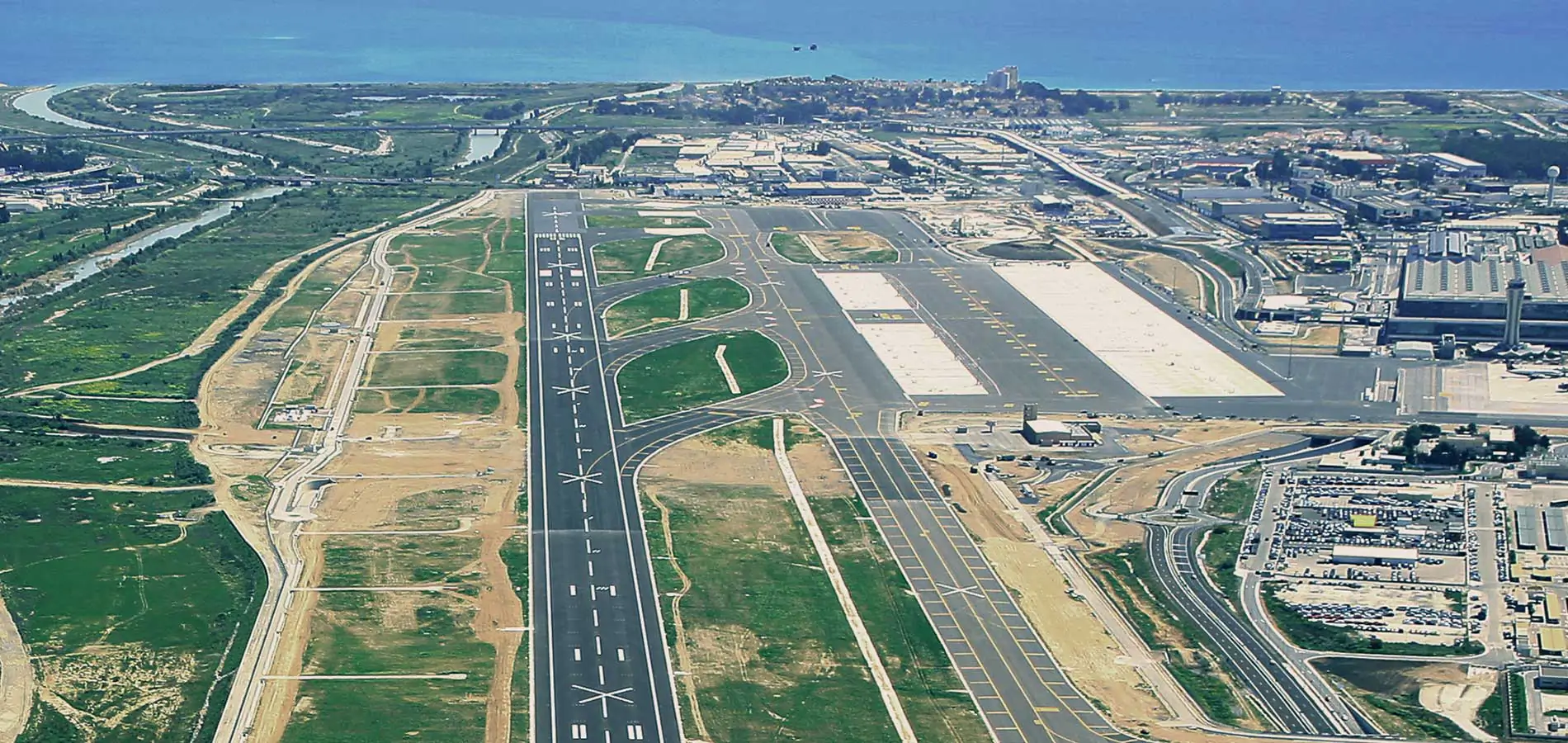
Runways and airfields
Building the tracks that connect to the mobility of the future
Runways and airfields
Committed to quality and sustainability in the materials used to construct and maintain flight platforms to ensure maximum safety.
We construct and maintain runways and airfields using quality techniques and materials that integrate environmental sustainability criteria both in the elements used in the pavements and the lighting and signage The main objective is the safety of the facilities, professionals, and passengers. Sando Infraestructuras y Proyectos has five decades of experience in the sustainable development of infrastructure, as does Sando Conservación y Energía in its predictive maintenance and upkeep.
Our experience in Airstrips and airfields
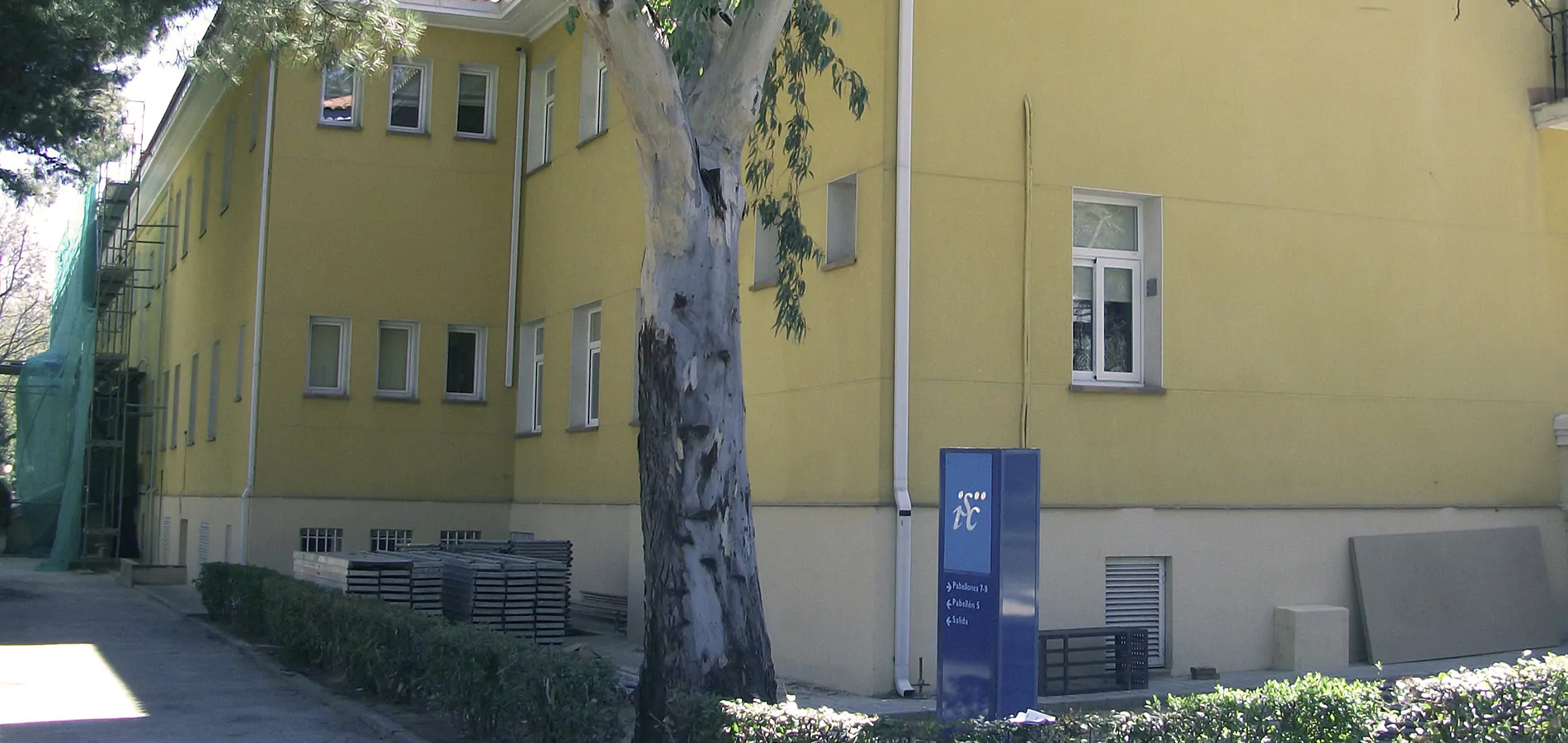
Refurbishment of Pavilion 12 of the Carlos III Health Institute
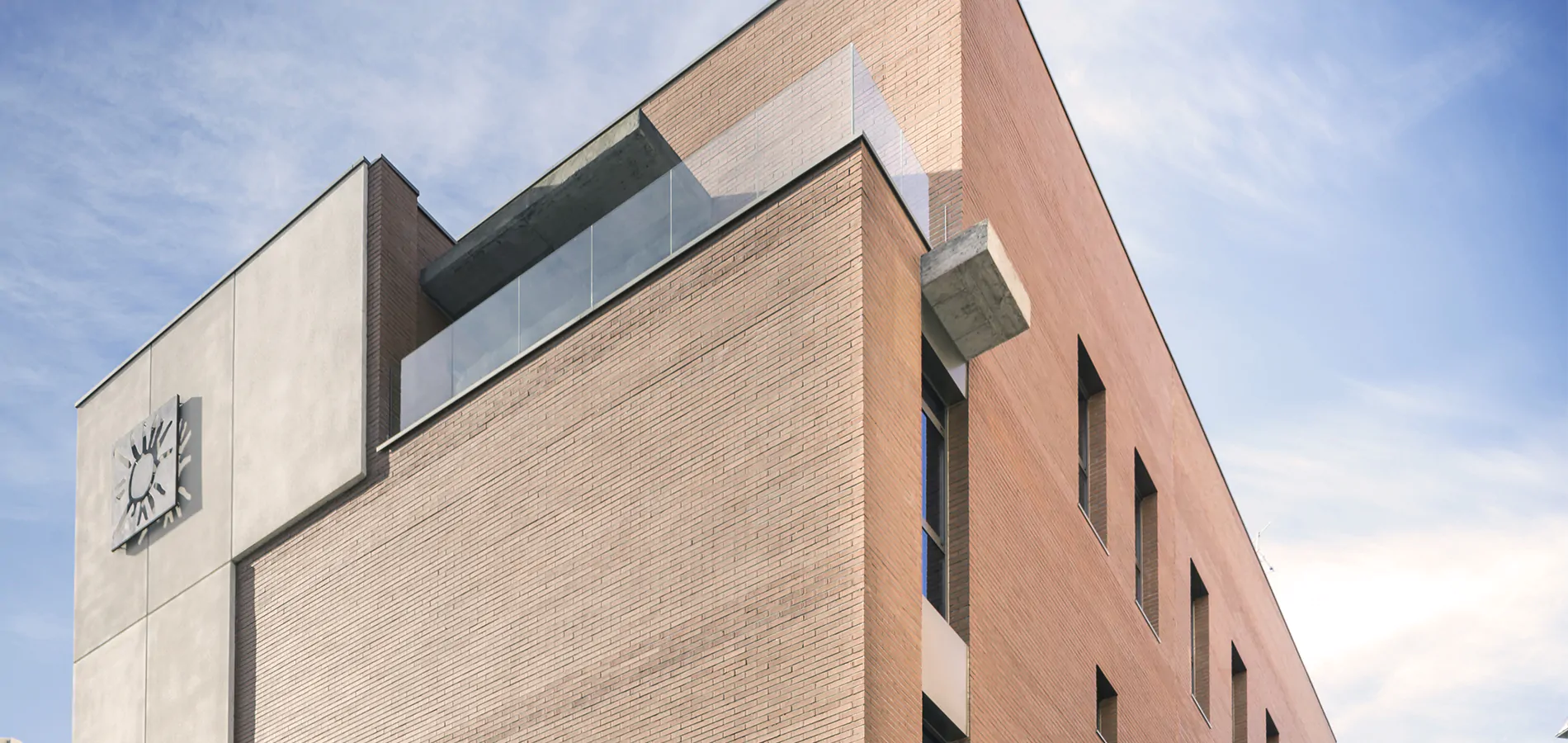
Alcalá de Henares Archaeological Museum
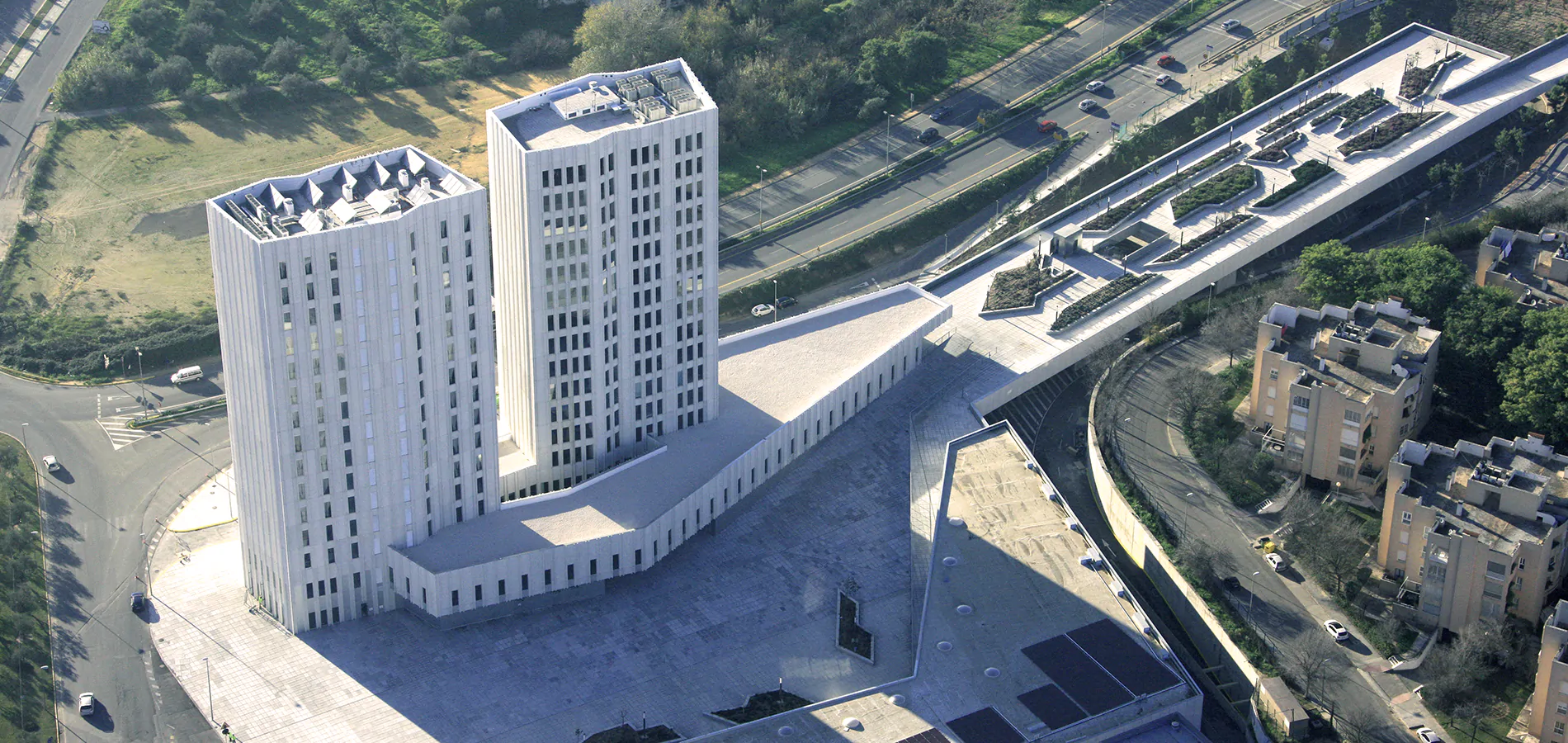
Aljarafe Central Complex
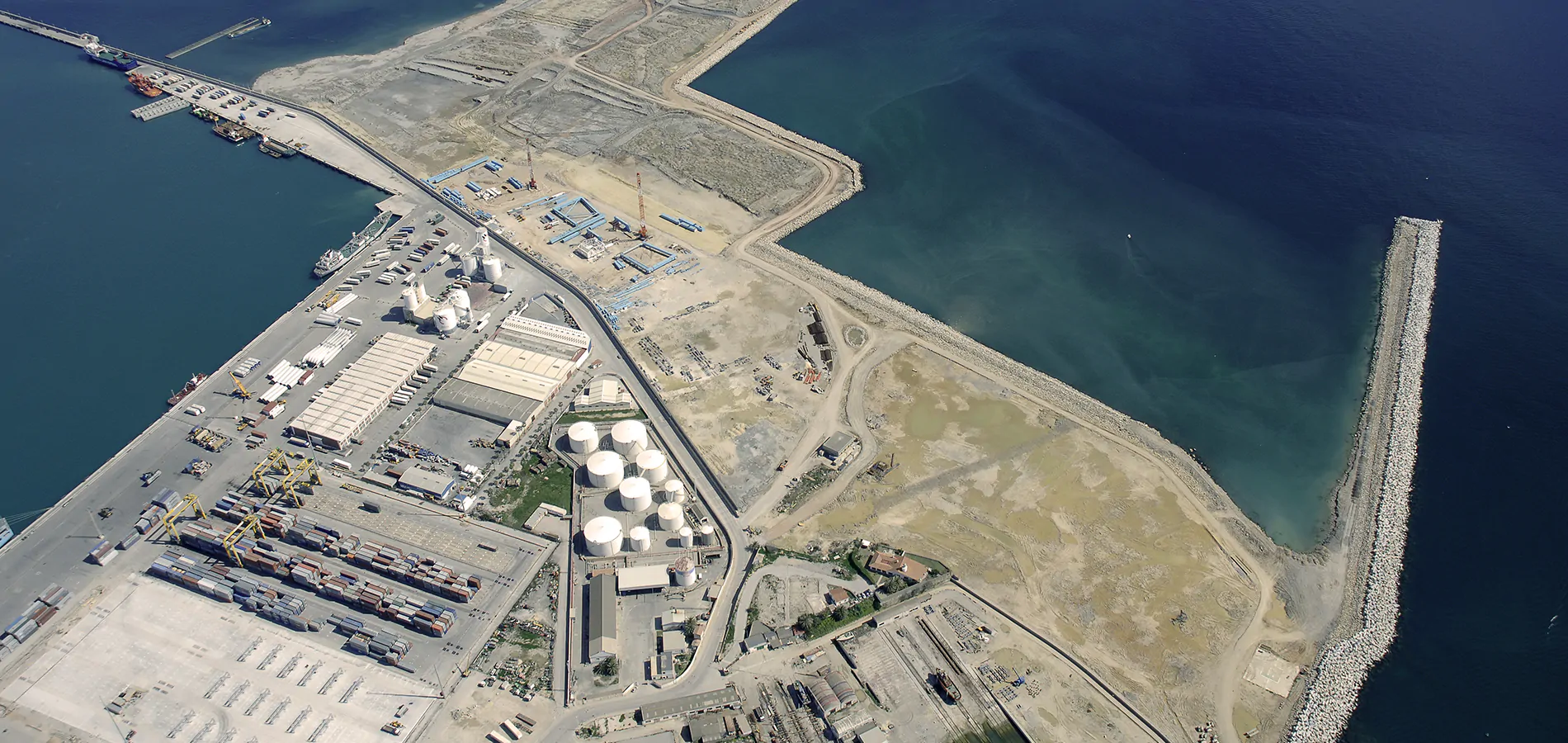
Maintenance of roads in the Bay of Algeciras
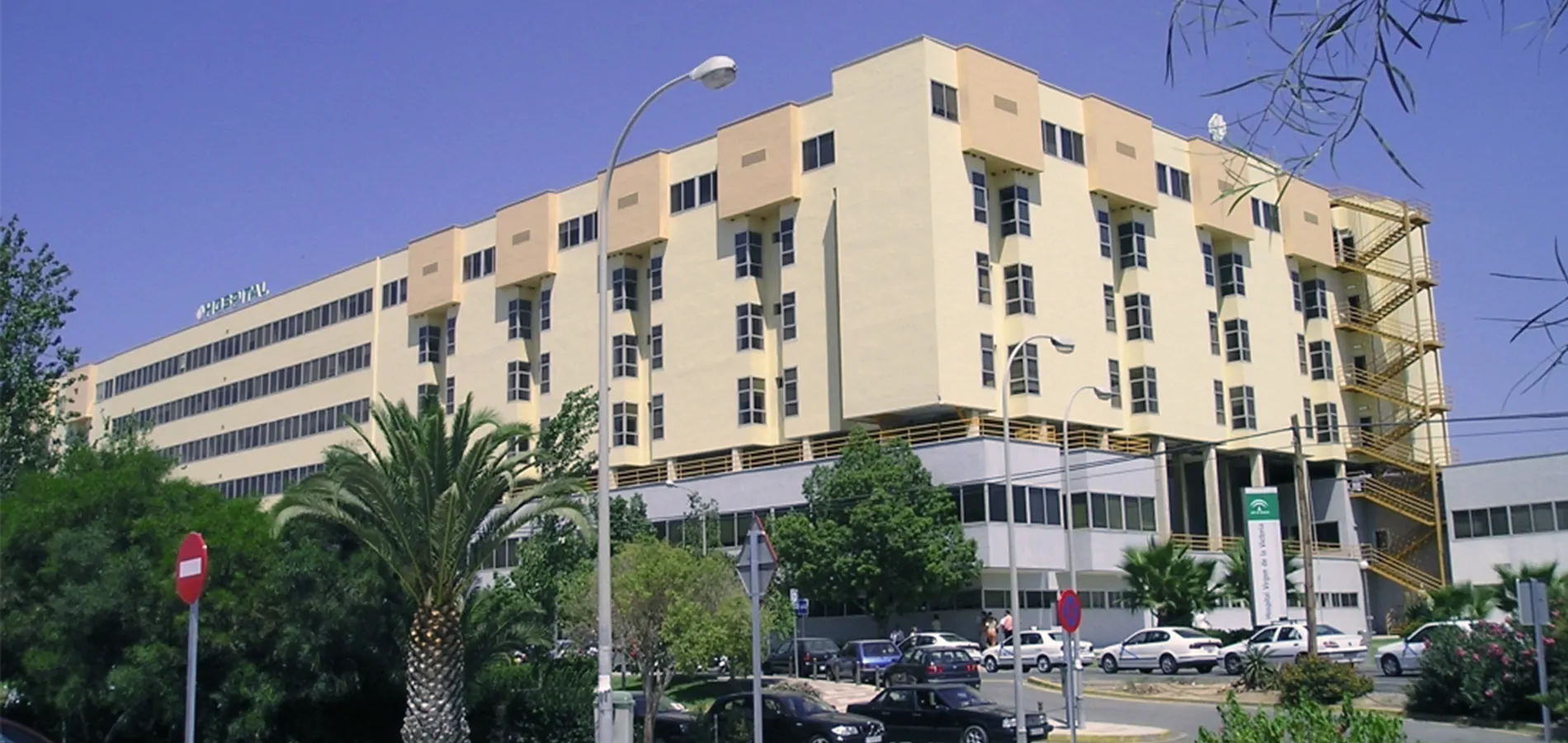
Hospital Virgen de la Victoria
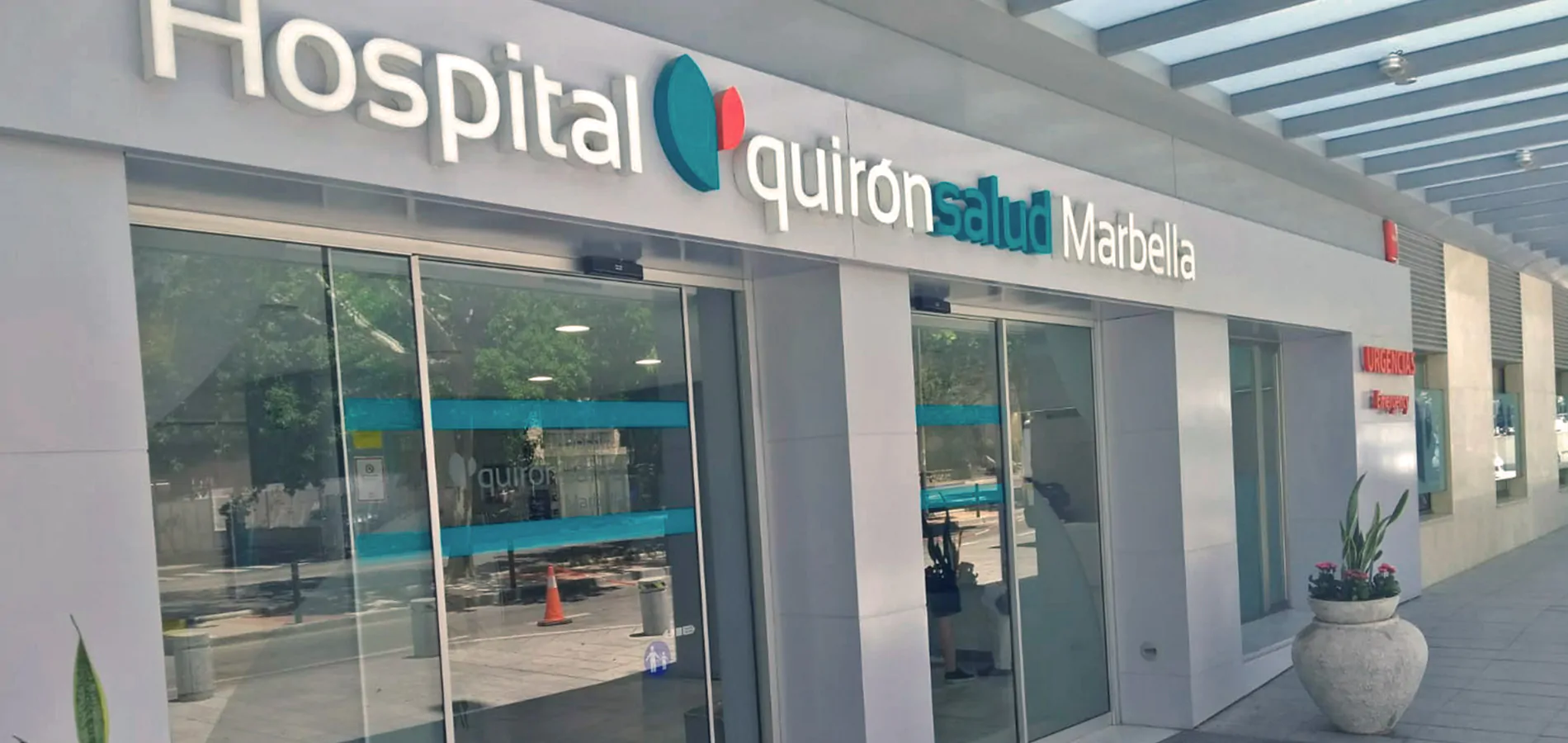
Hospital de Quirónsalud en Marbella
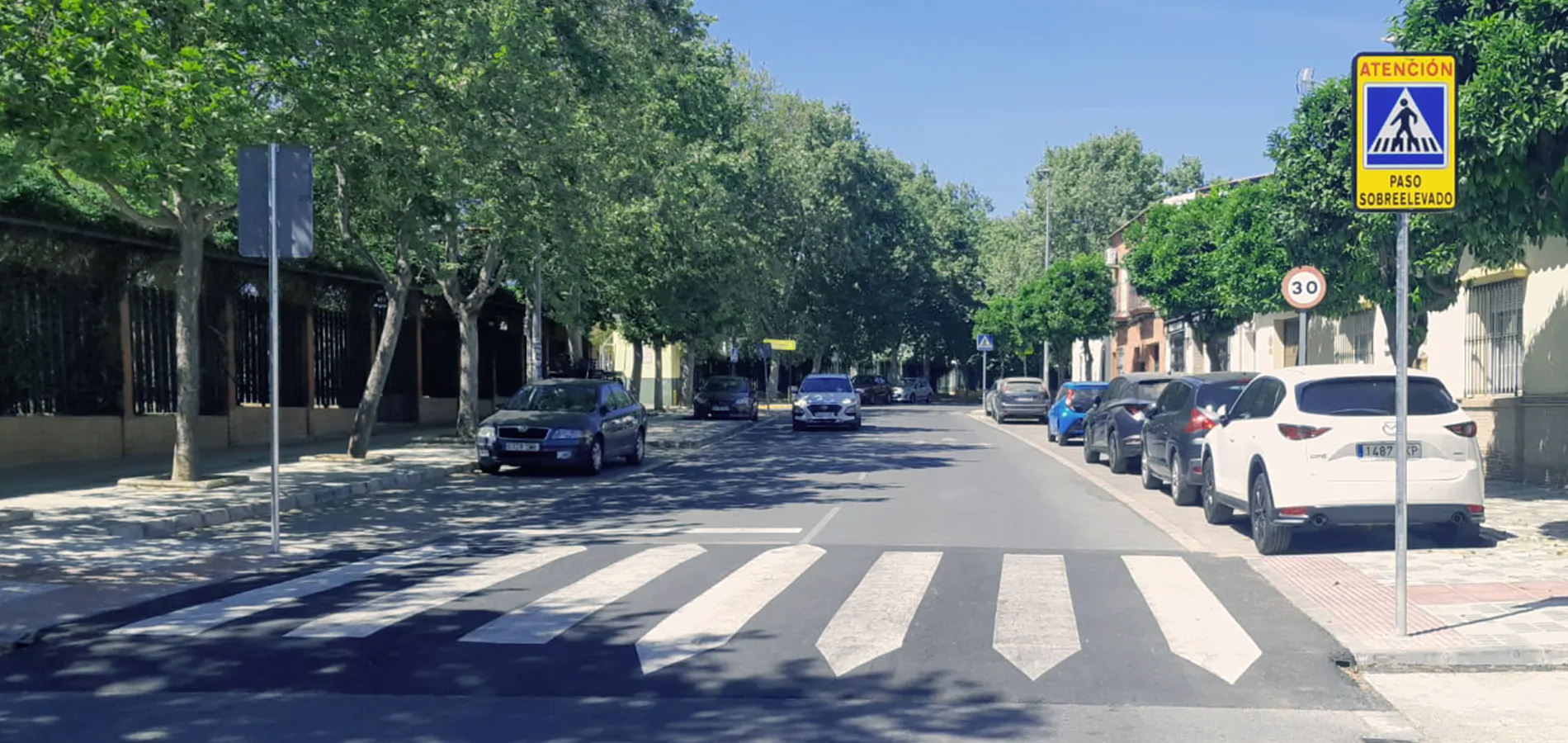
Bormujos Road Maintenance
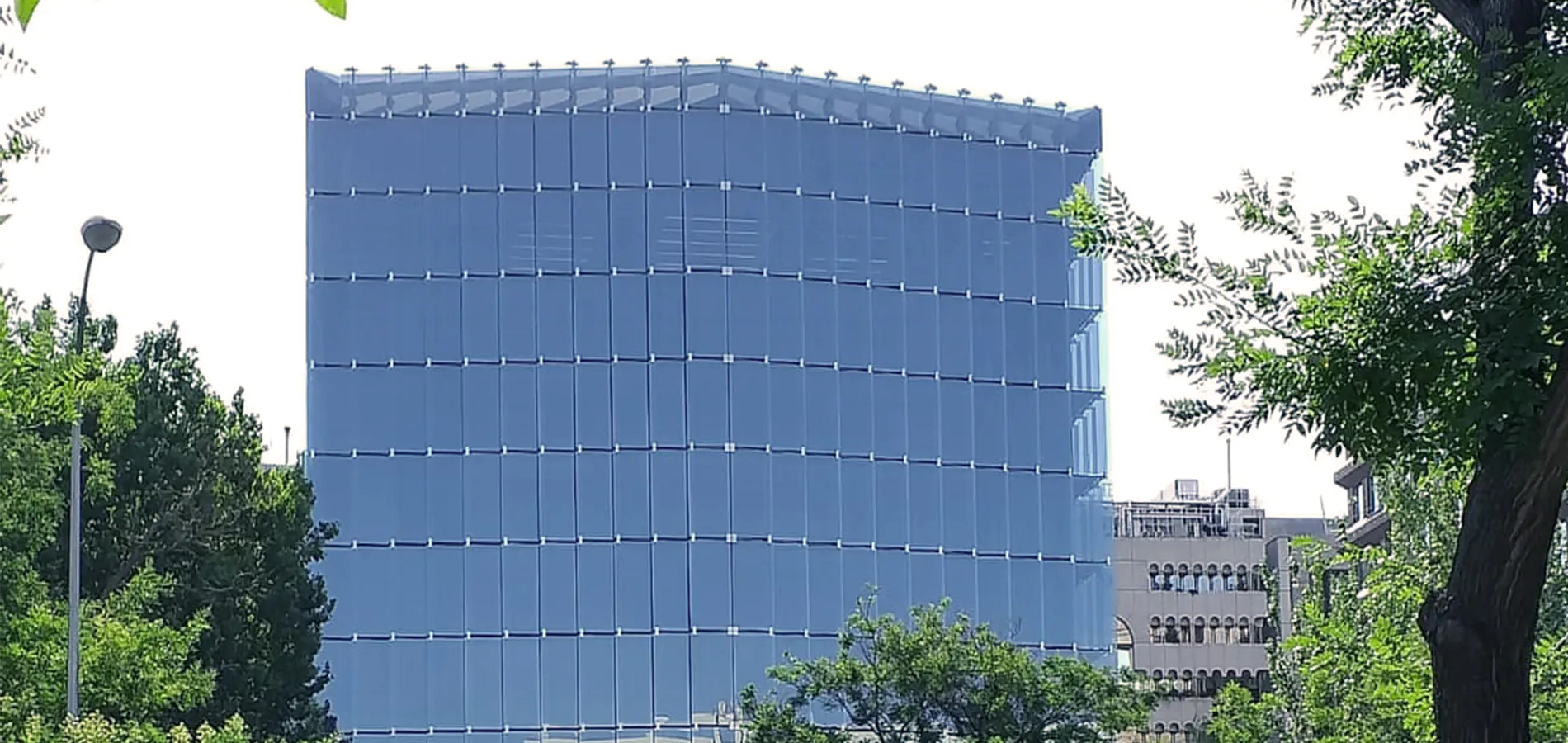
Consorcio Seguros Building Castellana 44
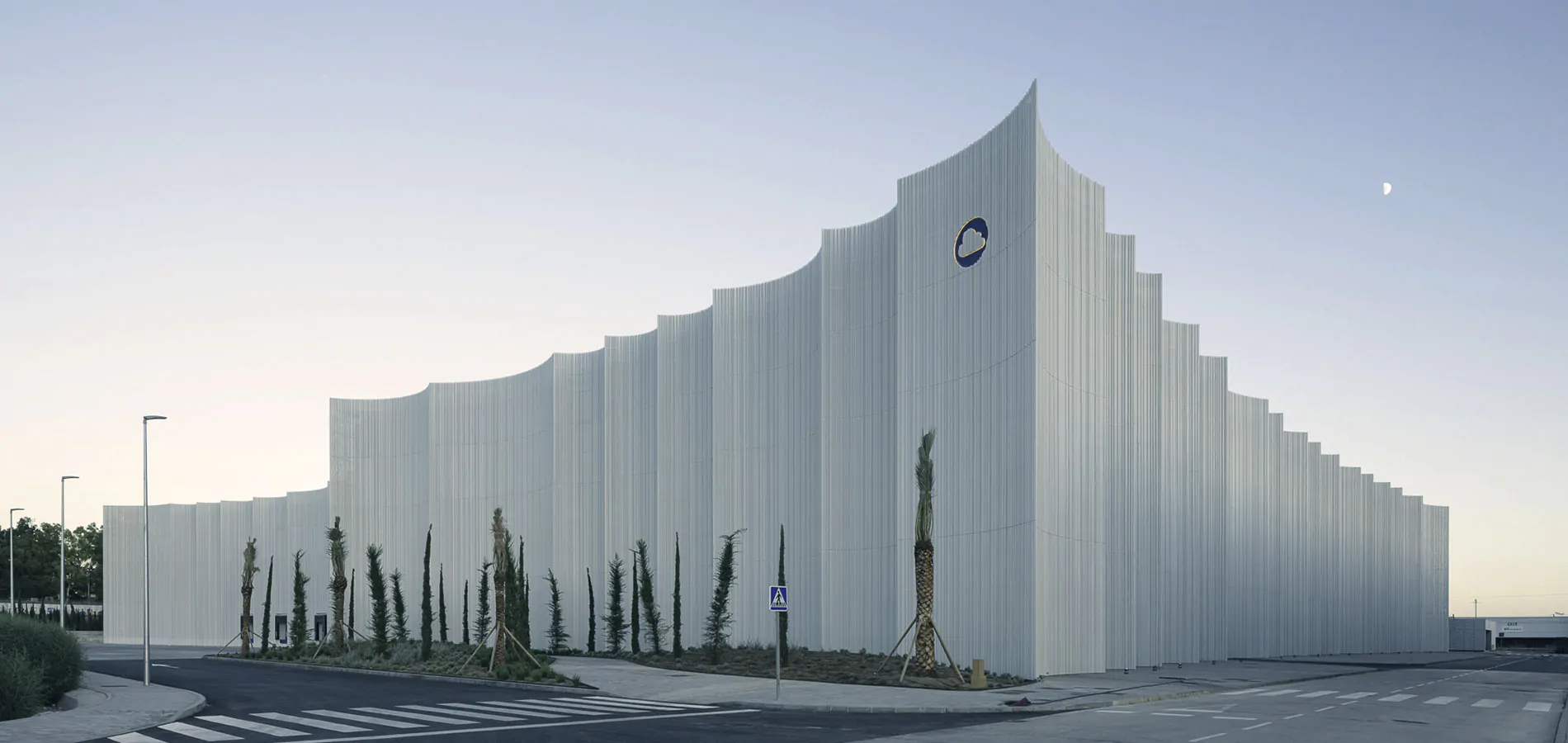
Mayoral’s logistics facilities in Malaga
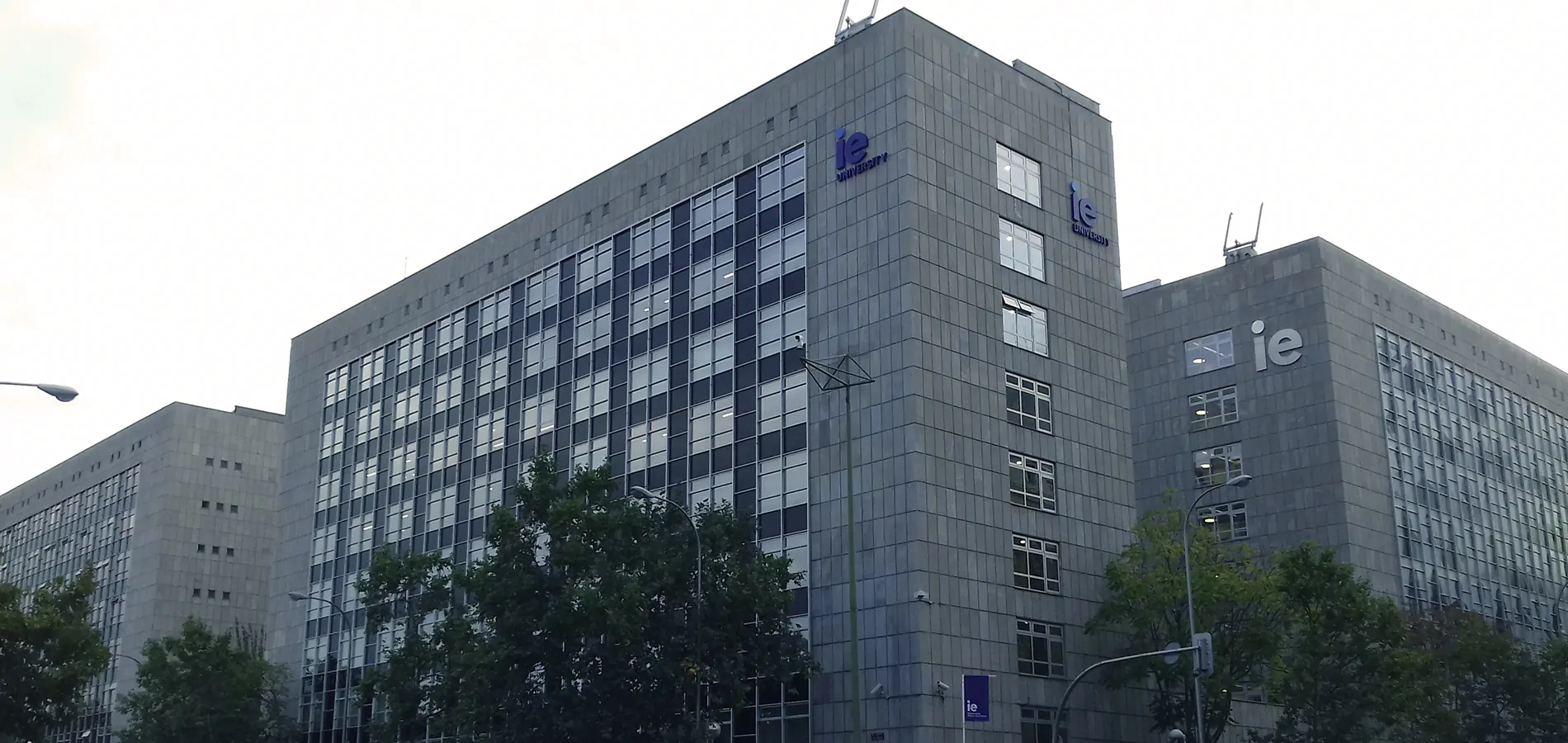
Velázquez Building
Guaranteed success on airstrips and airfields

Sando Conservación y Energía

Sando Infraestructuras y Proyectos