The continuous increase in municipal solid waste is one of the leading sustainability challenges facing local authorities, service providers and citizens. . In April 2022, Law 7/2022 on waste and contaminated land for a circular economy was published, the main objective of which is to achieve a 15% reduction in waste generation by 2030. This law establishes the obligation to carry out selective collection of organic matter in all municipalities. It introduces a new differentiated municipal tax to cover all the costs of sustainable waste management.
Municipal solid waste, organic waste, plastics, glass, paper and cardboard are mainly generated from activity in households, offices, shops and businesses. Therefore, the first phase to achieve a significant reduction depends on raising public awareness so that citizens reduce waste generation through reusing and correctly separating waste at the source (according to the corresponding container). The municipal solid waste management process begins when waste is deposited in the containers.
Sando Conservación y Energía provides comprehensive municipal solid waste (MSW) management services, with decades of experience in Spain and Morocco. These services range from waste collection and transport to treatment plants or landfills, through to waste treatment for disposal or conversion into bioproducts or energy.
Once municipal waste has been collected, it is transported to specialised waste treatment plants, where different specific treatment techniques are applied.. At its integrated waste treatment facilities, Sando Conservación y Energía effectively incorporates circular economy principles throughout the different stages of the process, with the ultimate goal of sending as little waste as possible to landfill. The different stages of waste treatment implemented in these plants follow the so-called “waste hierarchy”.
The first stage in this hierarchy is recovery for recycling, where the role of citizens is key in terms of how waste is deposited in containers. Sando Conservación y Energía works with public administrations, as part of its activity, to launch education and public awareness initiatives aimed at reducing waste generation and ensuring its effective management when it is produced.
In the phase of material recovery of the biodegradable fraction, the aim is to transform the waste through treatments carried out in composting plants.. In them, through aerobic biological processes, i.e. with the presence of oxygen, organic waste is decomposed and valorised in the form of fertiliser that can be used in agricultural activities, soil improvement in degraded forest land, gardens and, in general, in all land with a deficit of organic matter or impoverished soils.
The third phase consists of energy recovery, in which waste that was previously rejected in the previous phases is burned to transform it into energy because it is not recoverable or recyclable. Among the activities carried out by Sando Conservación y Energía at this stage are incineration, which transforms waste into combustion gases such as biogas, and pyrolysis in sealed high-pressure chambers, a system that is more efficient than incineration and makes it possible to obtain significantly more energy.
After the previous treatments, the last phase consists of the final elimination of the remaining rejects. At this stage, Sando Conservación y Energía carries out activities such as disposal in controlled landfills, using isolation and containment systems to prevent contamination of water resources and soil, as well as biomethanisation, which consists of producing biogas through the anaerobic digestion of organic waste.
The basic principle of all these waste recovery and valorisation activities is ultimately to achieve products that can be put to other uses, reducing the exploitation of raw materials or generating energy.
Municipal Solid Waste
Innovation and circular economy against the waste challenge
Municipal Solid Waste
Integrated solutions for waste circularity
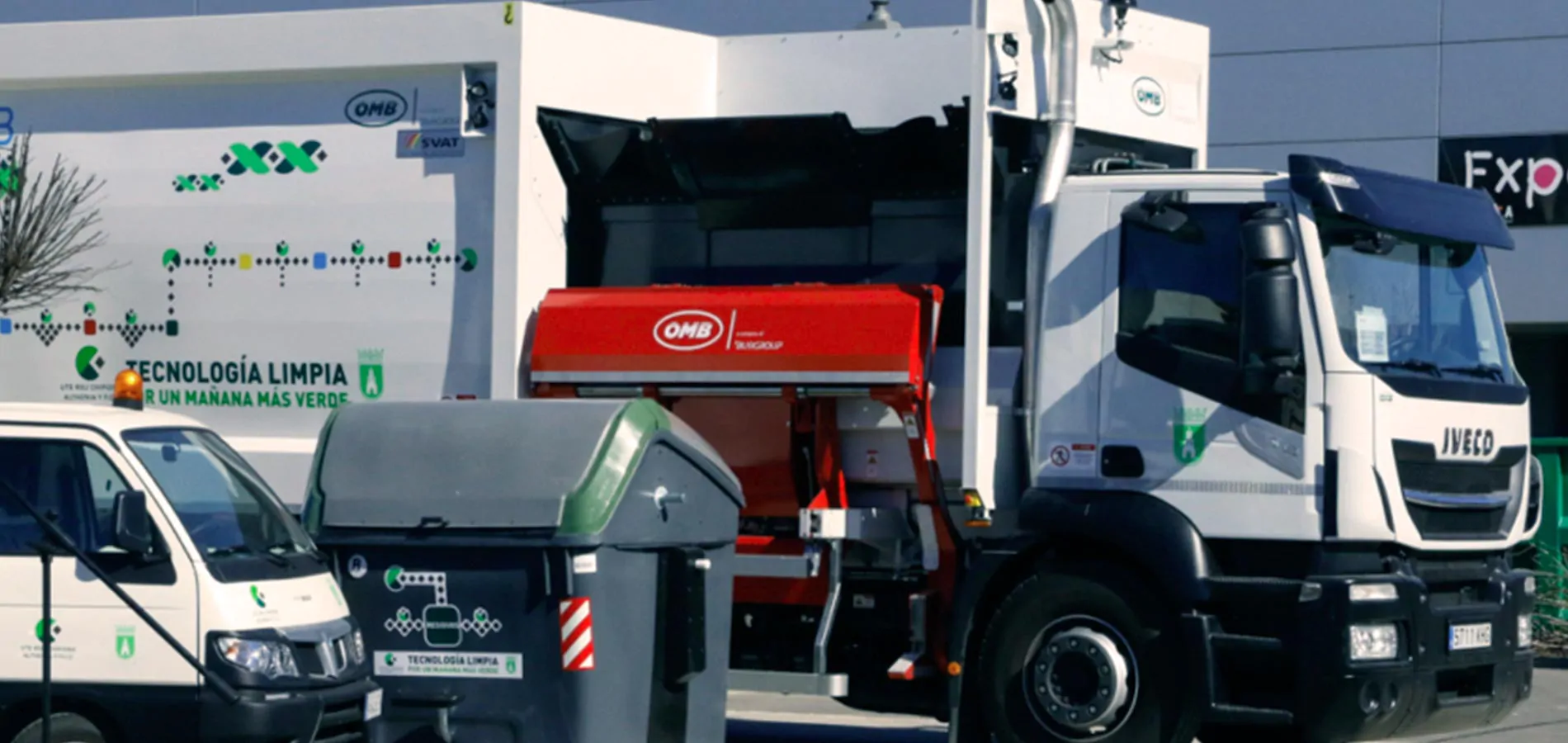
At Sando Conservación y Energía, we provide innovative solutions for municipal solid waste, covering everything from its collection on public roads and transport to treatment plants or landfills, through to treatment services for its disposal or conversion into bioproducts or energy. In this way, we offer a comprehensive service for managing solid urban waste that contributes to reducing environmental impact and the adverse effects on health caused by its generation.
Our experience in Municipal Solid Waste
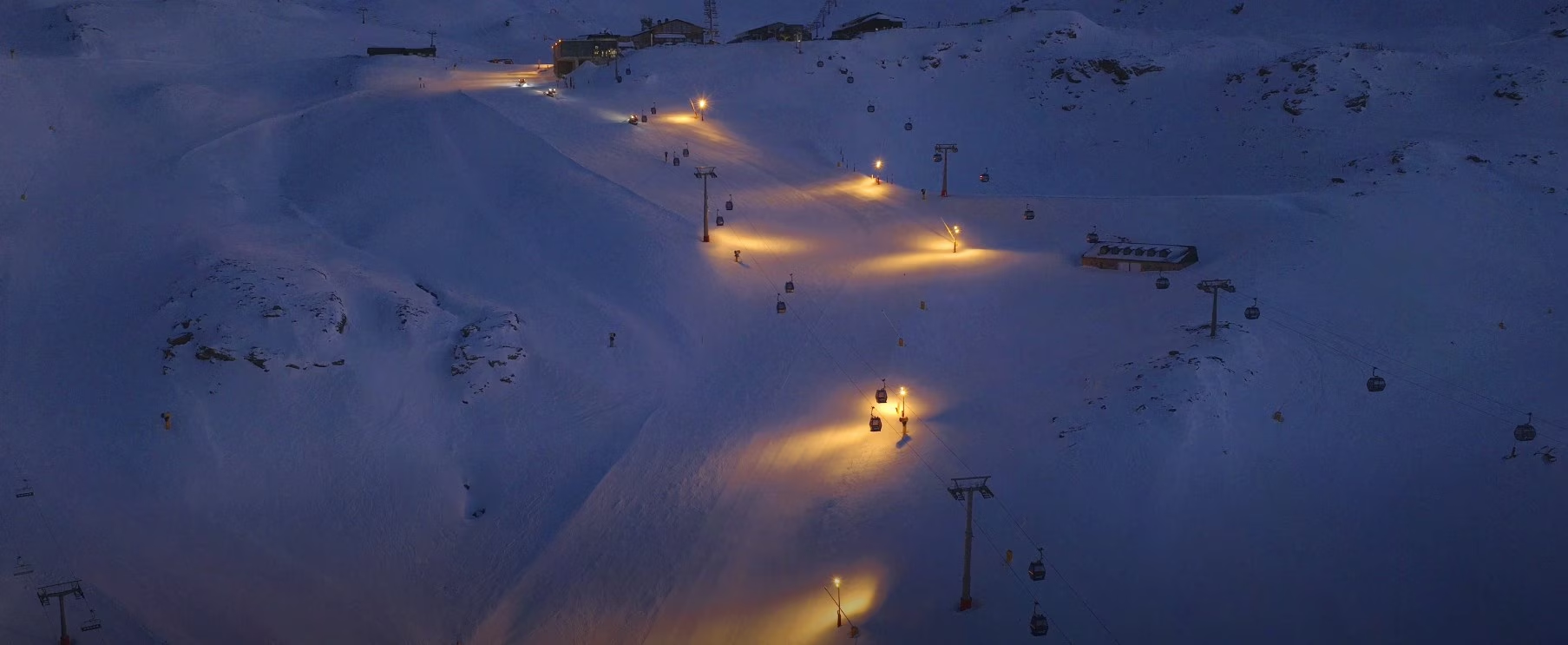
Comprehensive renovation of the LED lighting of the ski slopes of Sierra Nevada
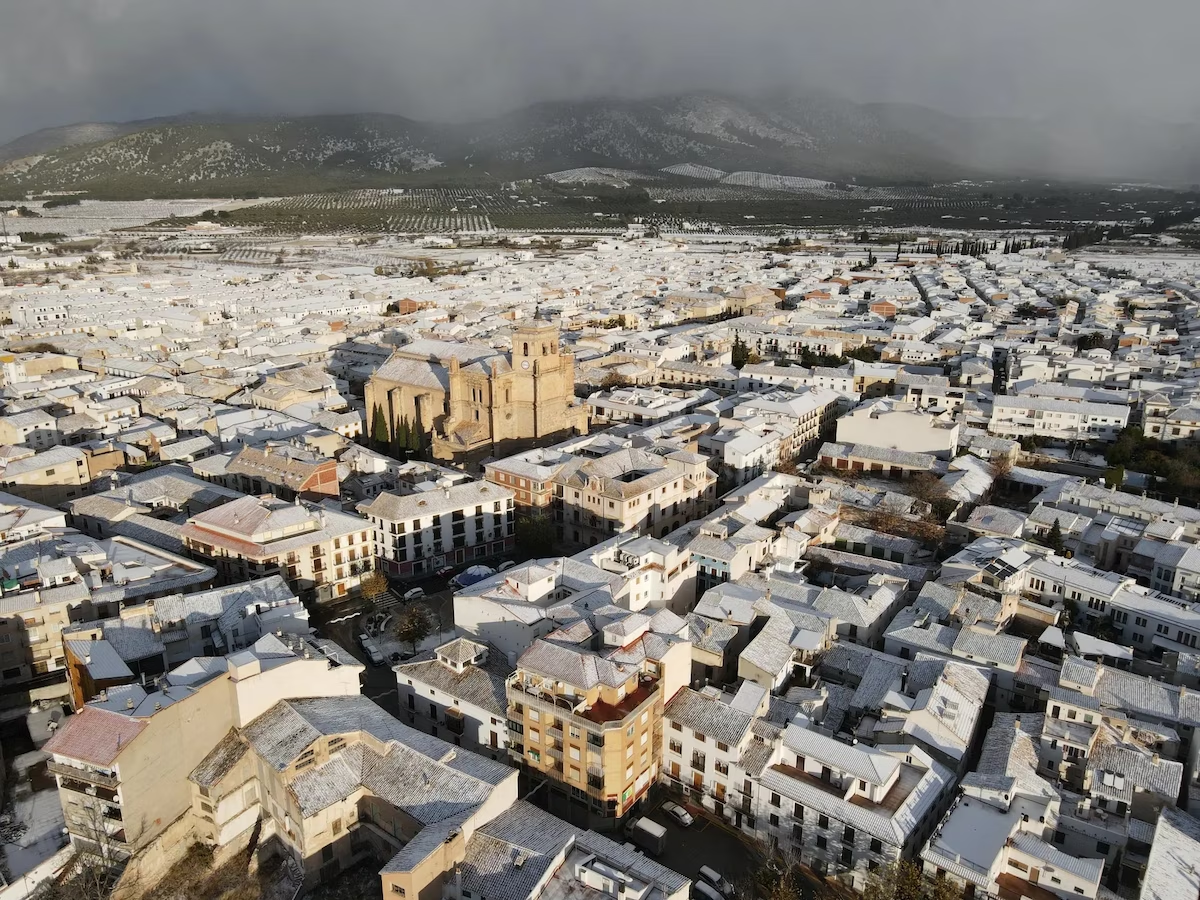
Comprehensive renovation service for LED public lighting in Huéscar
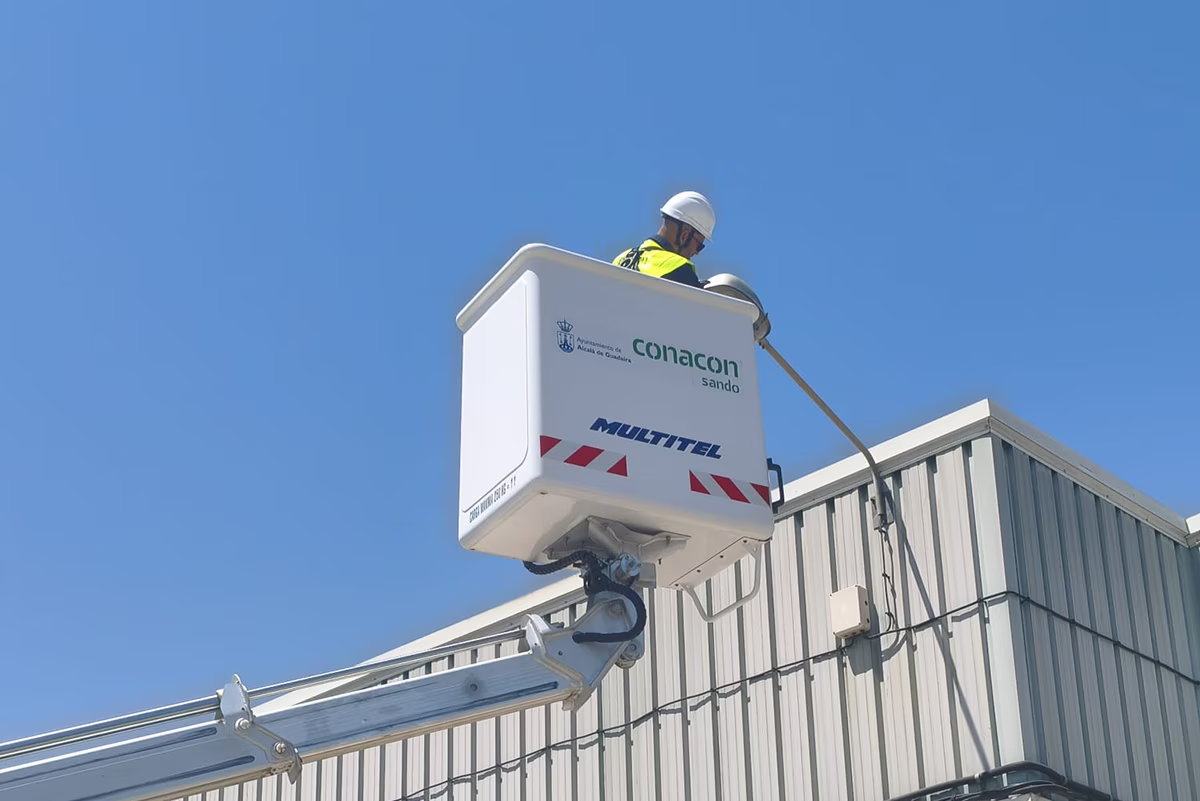
Public lighting maintenance service in Alcalá de Guadaíra
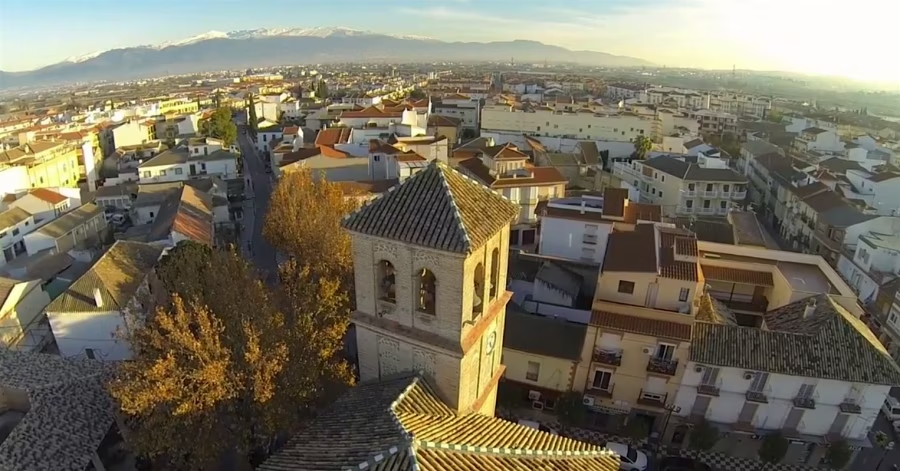
Comprehensive Renovation of the Street Lighting System in Cúllar Vega
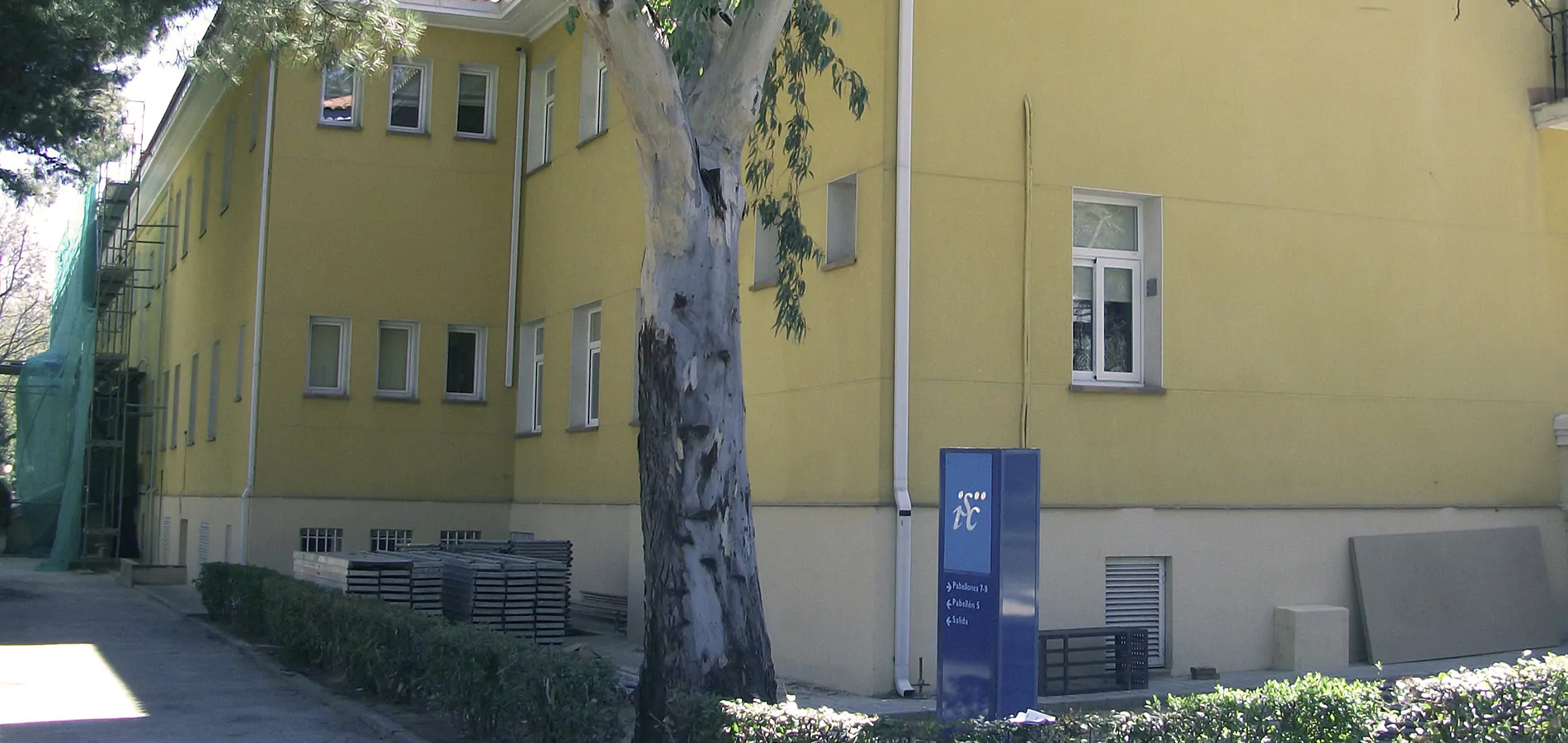
Refurbishment of Pavilion 12 of the Carlos III Health Institute
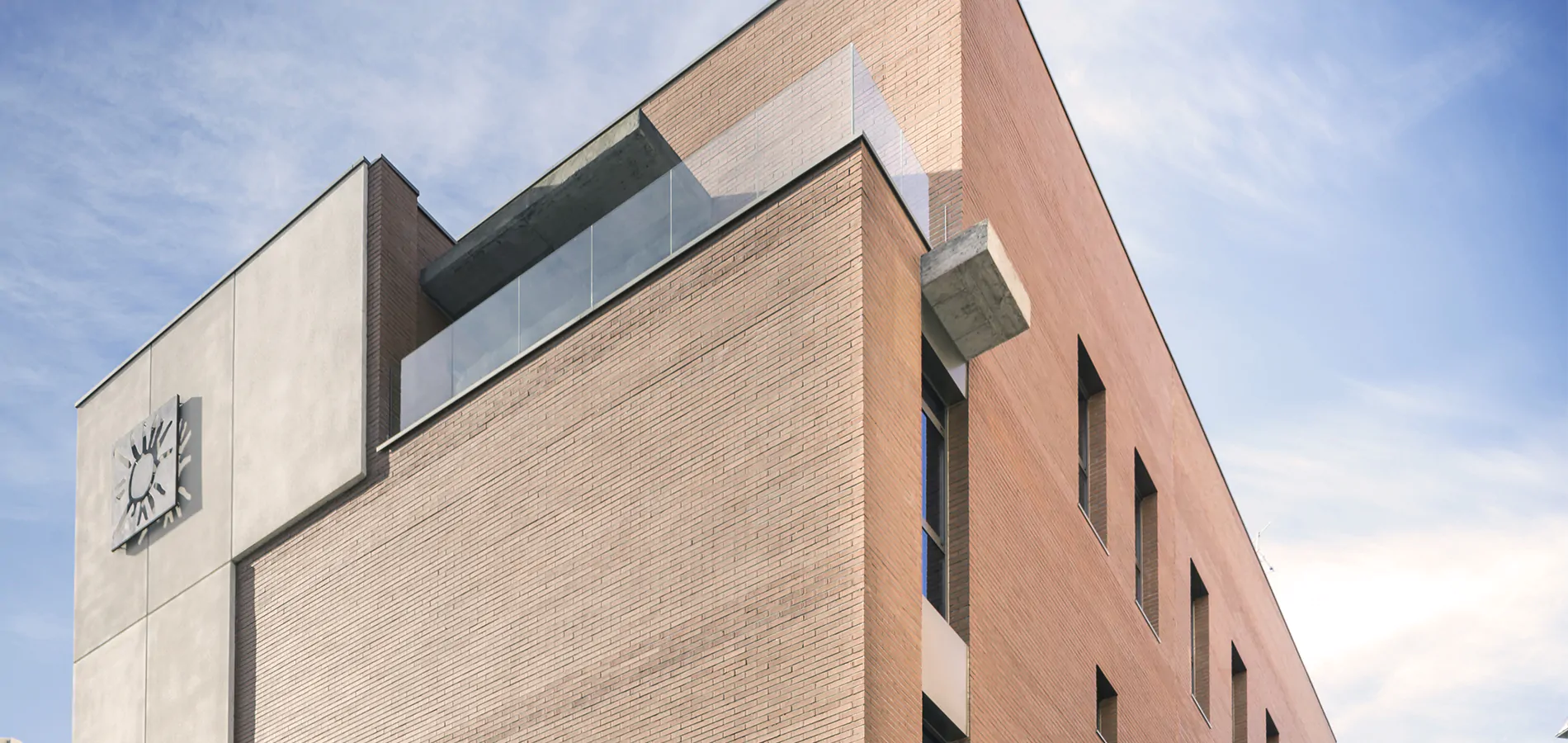
Alcalá de Henares Archaeological Museum
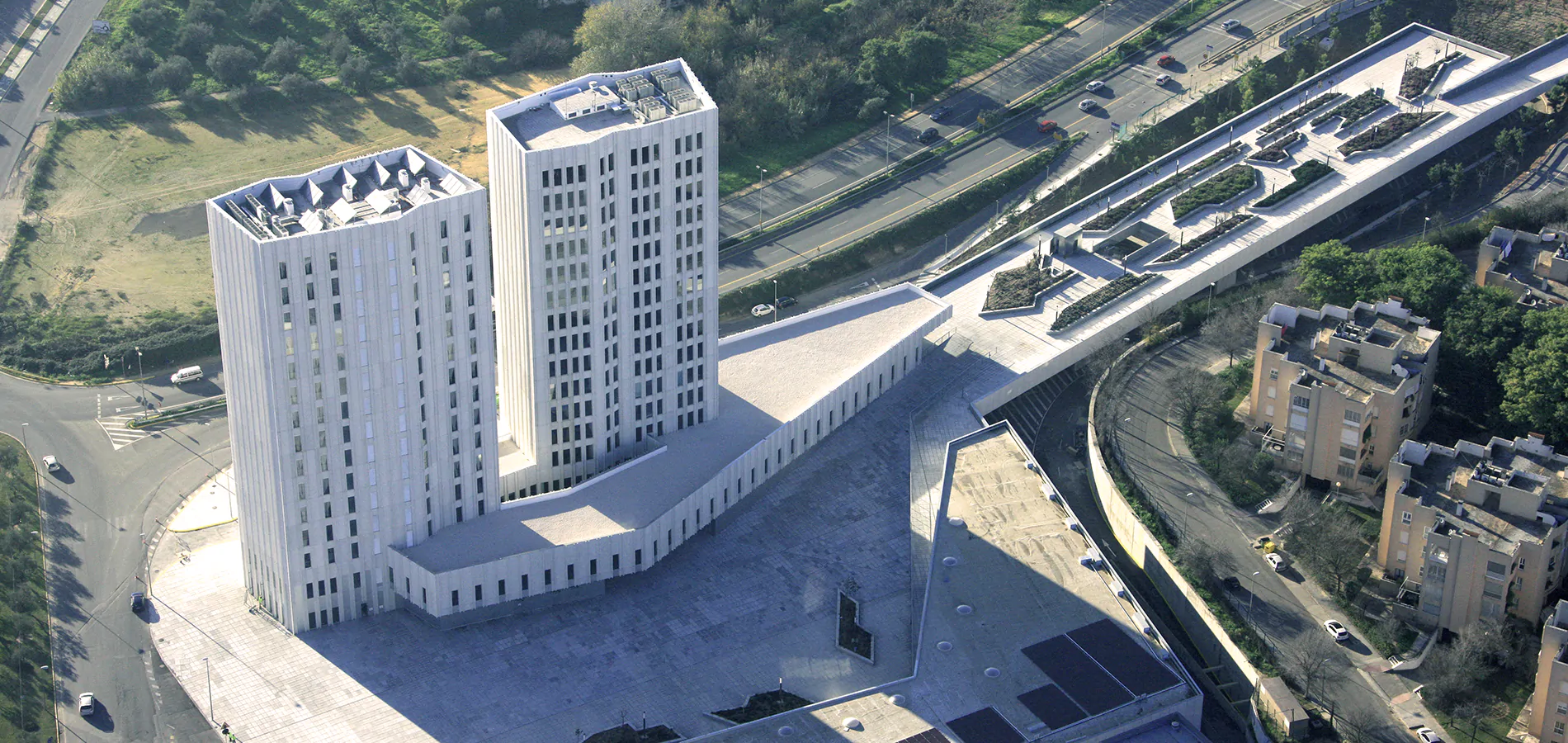
Aljarafe Central Complex
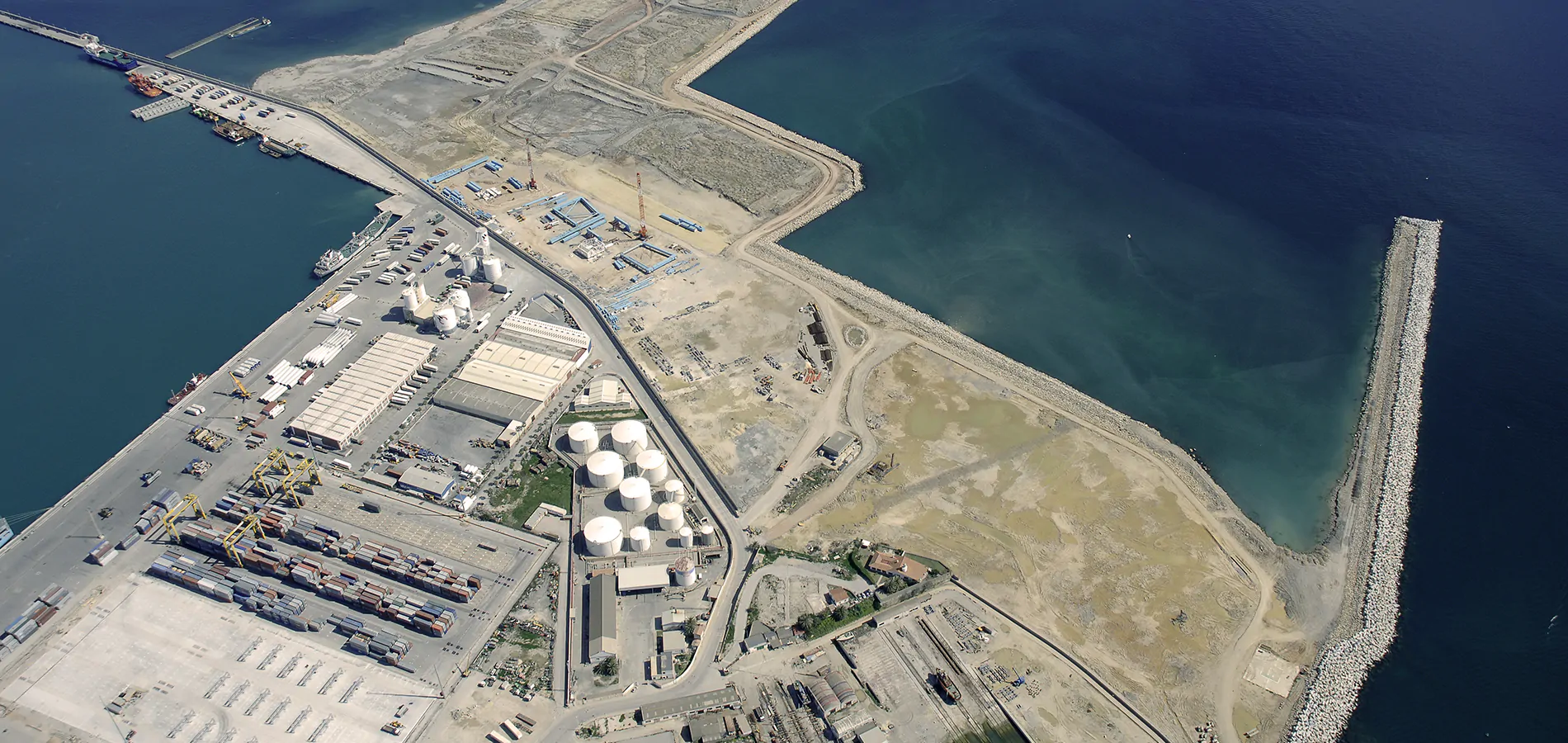
Maintenance of roads in the Bay of Algeciras
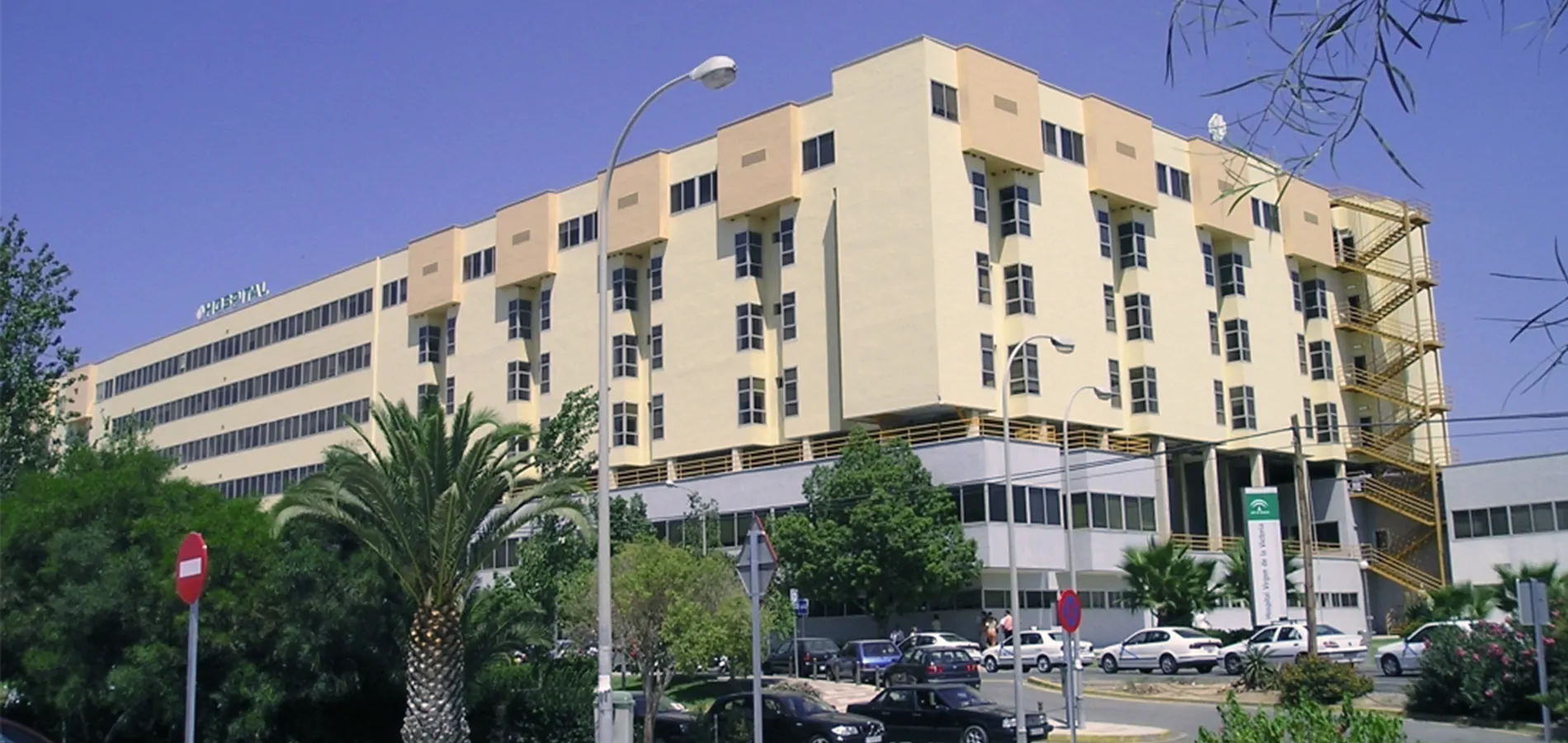
Hospital Virgen de la Victoria
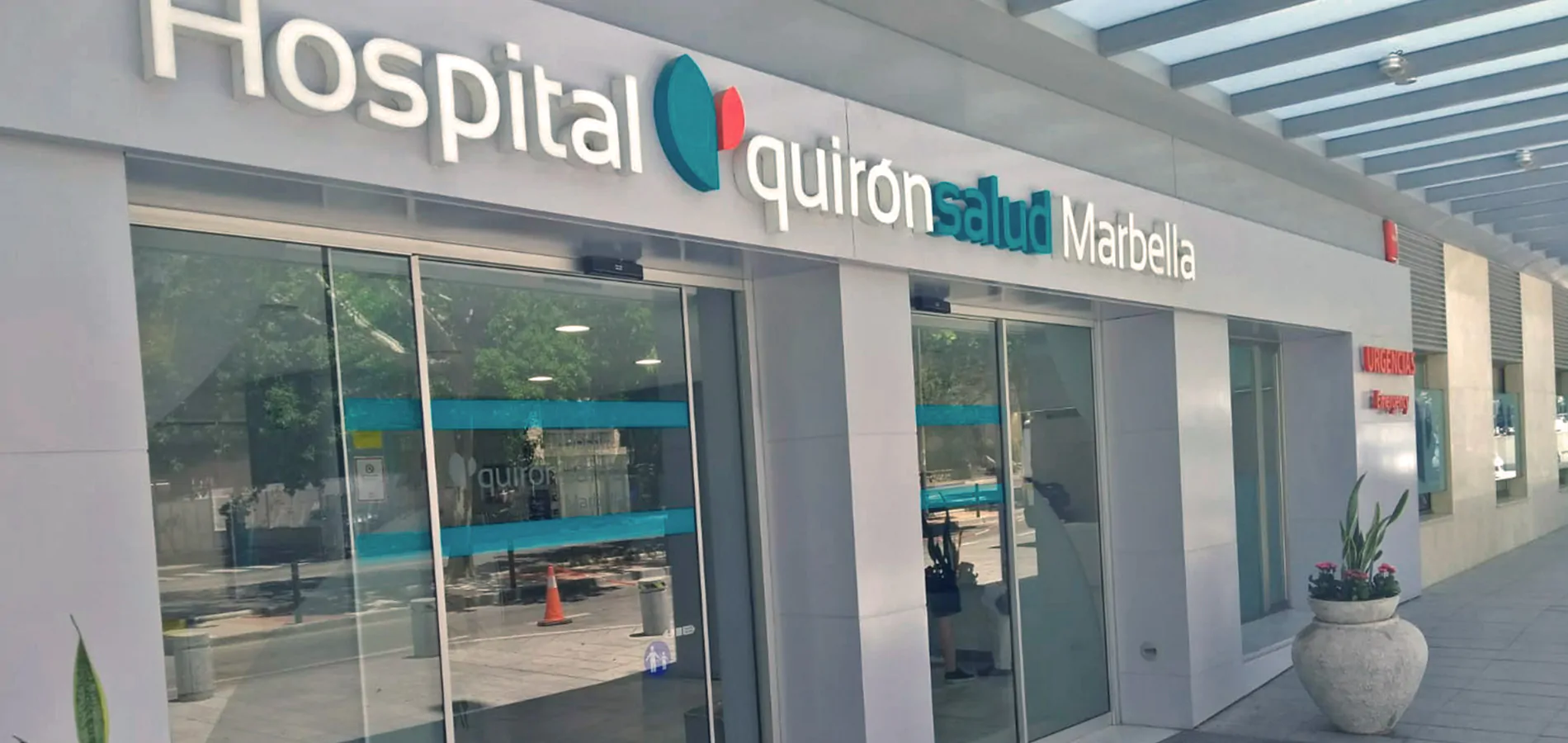
Hospital de Quirónsalud en Marbella