Tarmacking streets, roads and paths involves obtaining highly durable and resistant pavements to facilitate and provide safety and stability to the circulation of pedestrians and all vehicles.
The road surface constitutes the superstructure. The main functions of pavements used in road construction and maintenance are as follows:
It is essential to attend to the maintenance and upkeep of asphalt pavements to preserve their characteristics and foresee and reduce the magnitude of the work involved in their repair.
Through preventive pavement maintenance, it is possible to assess the condition of the pavement and identify any changes, thereby anticipating damage that can be repaired quickly without altering the pavement structure—just as Sando Conservación y Energía does. Sometimes, this minor preventive maintenance is not possible due to the intensity of traffic or adverse weather effects that weaken the pavement’s strength, so it is necessary to carry out major work to rehabilitate the damaged areas and try to maintain most of the structure.
Despite these efforts, more severe deterioration may occur, and the entire pavement may need to be demolished and rebuilt. Technological advances and environmental awareness are giving rise to processes that allow the recycling of pavements for reuse on the same road or street, thus reducing the use and production of new asphalt.
One of the main activities to be carried out by road maintenance companies is the monitoring of the condition of the road surface, carrying out maintenance and repair operations on the road surface as soon as a significant loss of its surface or structural characteristics is detected, to extend its service life, improve performance and enhance the durability of the structure.
In general, we distinguish between surface rehabilitation or renewal operations, whose purpose is to restore or improve the surface characteristics of the pavement, adapting them to its functional and durability needs, such as asphalt maintenance, and structural rehabilitation operations, whose purpose is to increase or recover the resistant capacity of the pavement.
The techniques used in road repair are very diverse and include, among others, complete pavement recycling, screeding or paving additional layers, milling, micro-milling or grooving, treatment and sealing of cracks.
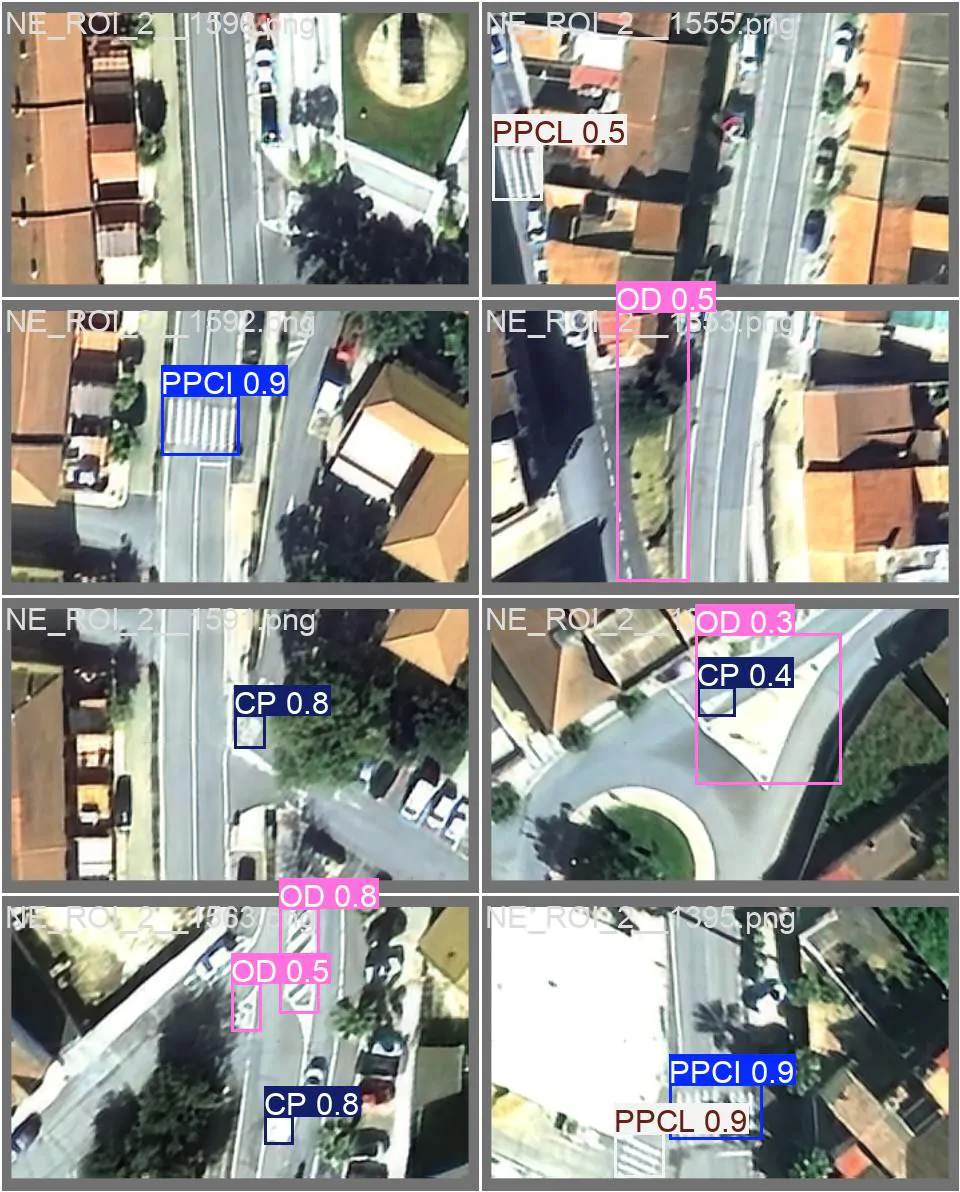
The evolution of society demands a more sustainable and environmentally responsible sector, which will only be viable through technological innovation and the application of circular economy criteria. In this sense, the application of digital twins or the monitoring and use of artificial intelligence, together with the development of new, more sustainable and resistant materials, is set to revolutionise the construction, conservation and maintenance of pavements.
Sando Infraestructuras y Proyectos, a road and pavement construction company, is committed to using new technologies in its projects, improving the efficiency of its construction processes, and promoting the use of recycled materials.
Pavements can be constructed in different ways, resulting in different types.. Flexible, semi-flexible, semi-rigid and rigid pavements are used in road construction According to pavement sections standard 6.1 IC, they are defined as follows:
Flexible pavementsconsist of untreated granular layers and a bituminous pavement with a thickness of less than 15 cm (except for roads with low traffic intensity). The stresses are transmitted to the layers below.
Semi-flexible pavements: consist of untreated granular layers and bituminous pavements like flexible pavements. However, their total thickness is equal to or greater than 15 cm. The stresses are transmitted to the layers below.
Semi-rigid pavements: pavement consisting of a bituminous pavement of any thickness on one or more granular layers treated with hydraulic binders (thickness of 20 cm or more). Semi-rigid pavements are usually used for higher volumes of heavy vehicles. In this way, instead of increasing the thickness of the bituminous mixes, the lower granular layers can be replaced by layers made of cement-treated material.
Rigid pavements:: these are made up of a concrete layer and layers of artificial gravel-type material if the graded surface is of poor quality. They are characterised by the fact that they hardly transmit any loads and stresses to the lower layers, the latter fulfilling a regulating and working base function.
Several pavement characteristics can also be highlighted:
Slip resistance,obtained through the microtexture that the pavement must have.
Surface evenness of the pavement,which must be ensured both longitudinally and transversally.
o Light reflecting properties,, being especially important for night driving.
Rapid surface drainage to avoid water infiltration to other layers and water accumulation on the surface could cause vehicle aquaplaning.
Structural (mechanical) characteristics,which affect the design, construction, maintenance and operation of roads depending on the constituent materials and their thickness.
Finally, it should be noted that the pavement provides cost-by noise, which affects both road users (inside the vehicle) and the environment in which the road is located (outside).
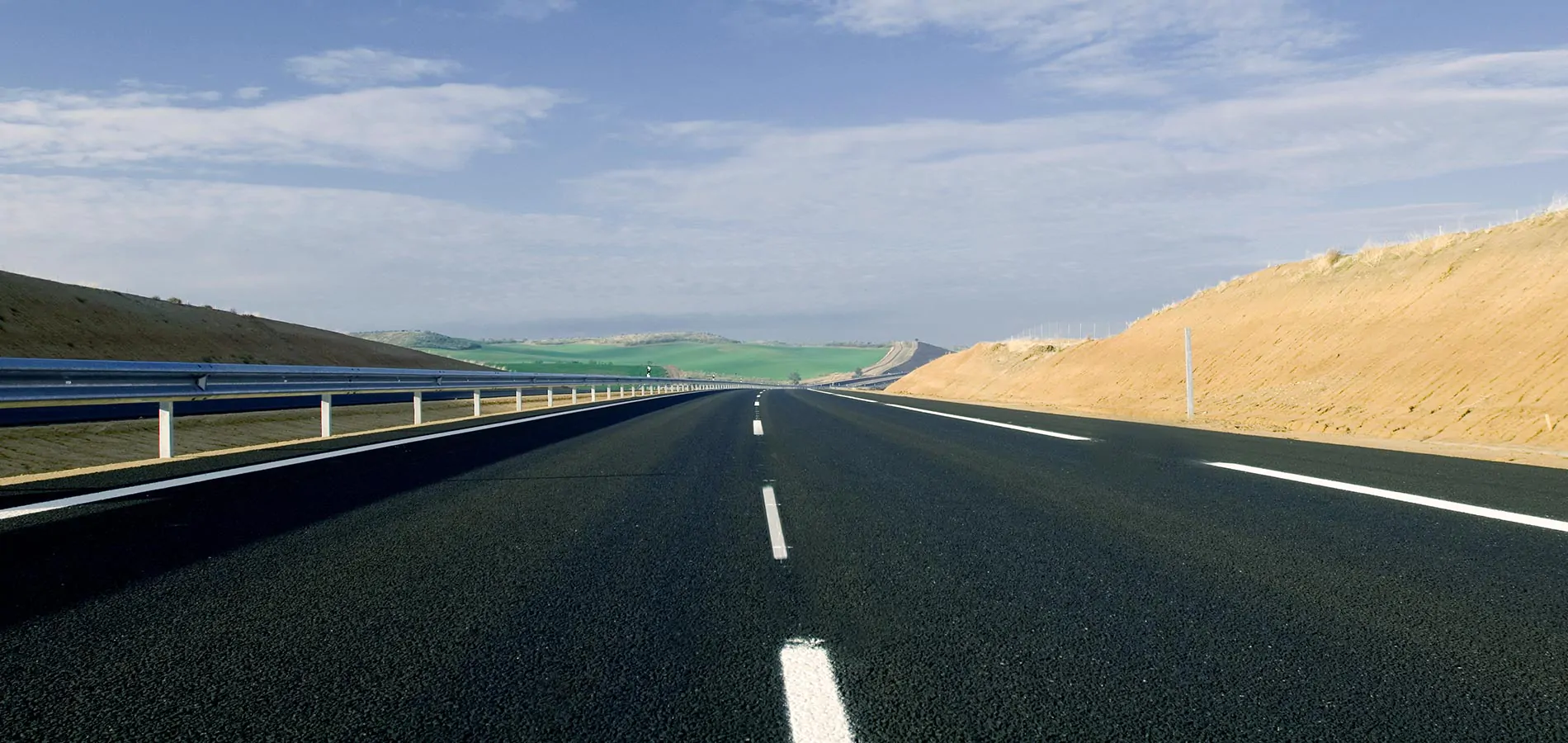
Asphalting and pavement maintenance
We incorporate pavements that guarantee safety on the road.
Asphalting and pavement maintenance
We build and maintain pavements and roads integrating new techniques that improve efficiency in execution and enhance the circular economy through the use of recycled materials.
we carry out asphalting services for roads to ensure the pavement’s stability, durability, and resistance and offer maximum safety guarantees for pedestrians and vehicles This work is carried out during the construction phase by Sando Infraestructuras y Proyectos and during the upkeep and maintenance of the infrastructure by Sando Conservación y Energía.
our experience in asphalting and pavement maintenance
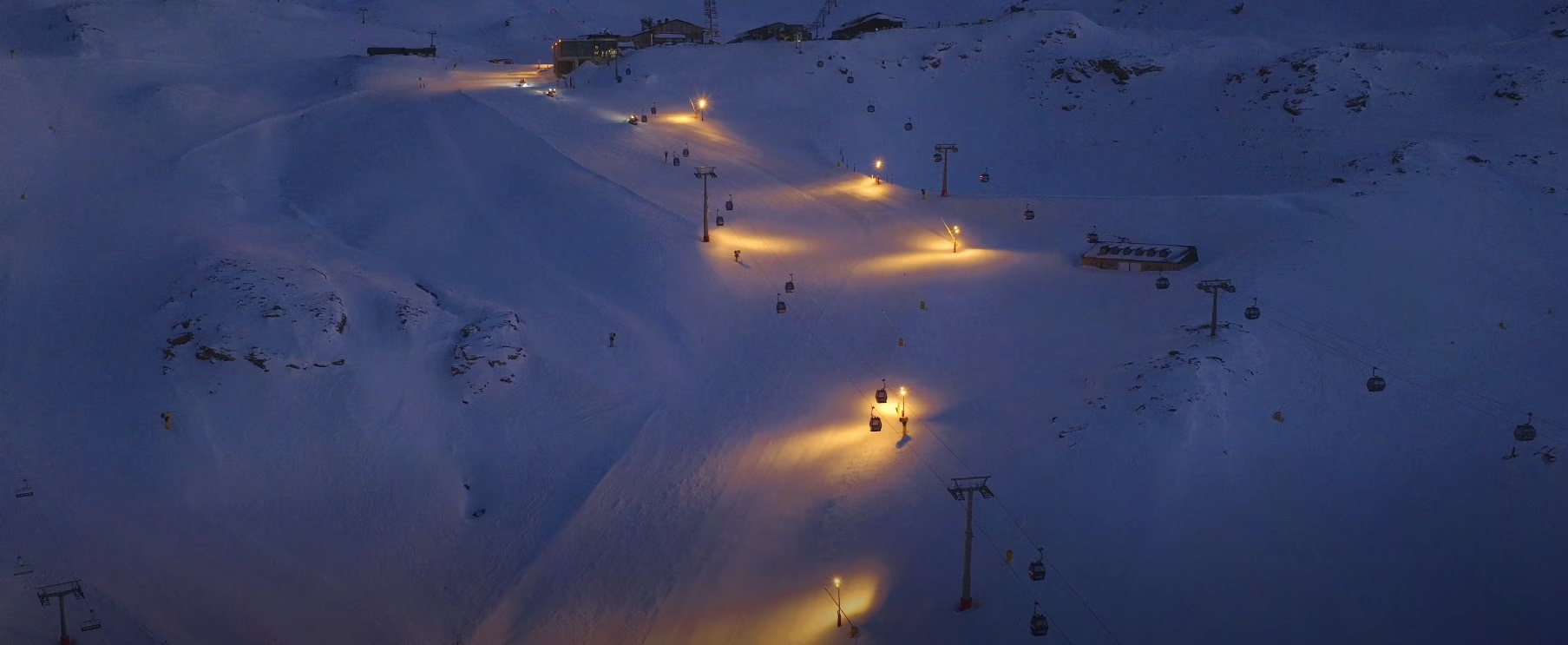
Comprehensive renovation of the LED lighting of the ski slopes of Sierra Nevada

Comprehensive renovation service for LED public lighting in Huéscar
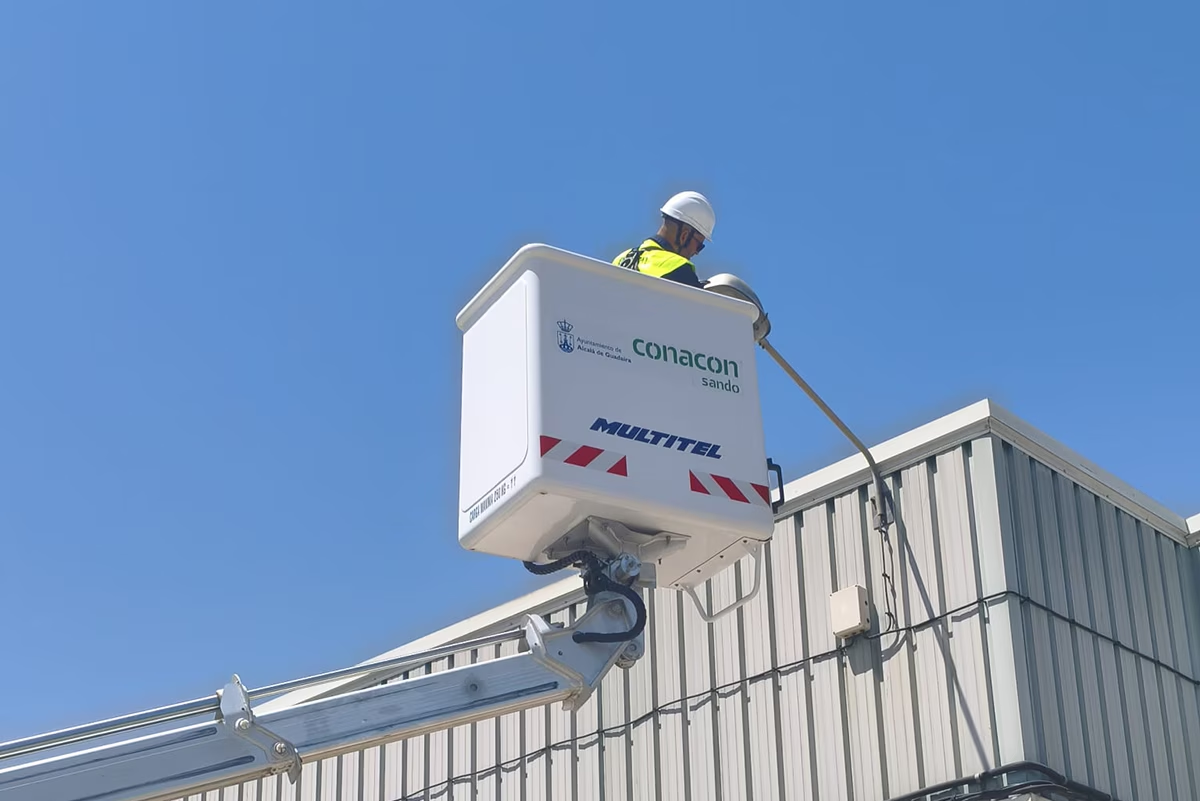
Public lighting maintenance service in Alcalá de Guadaíra
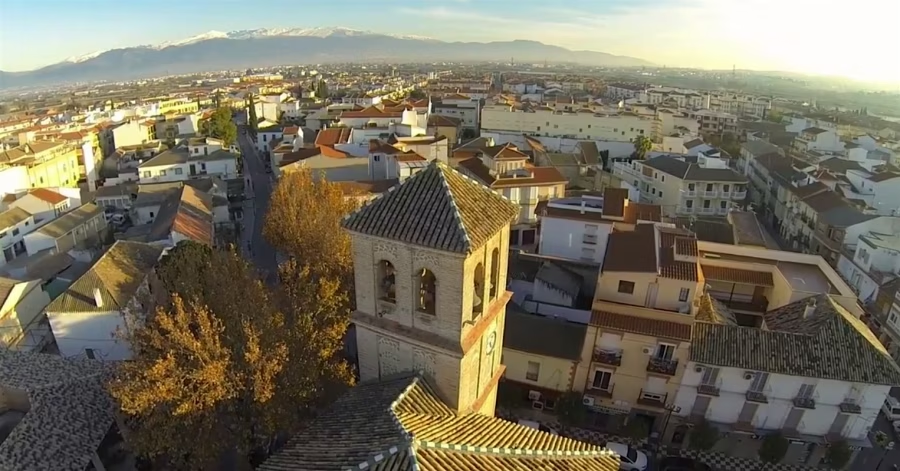
Comprehensive Renovation of the Street Lighting System in Cúllar Vega
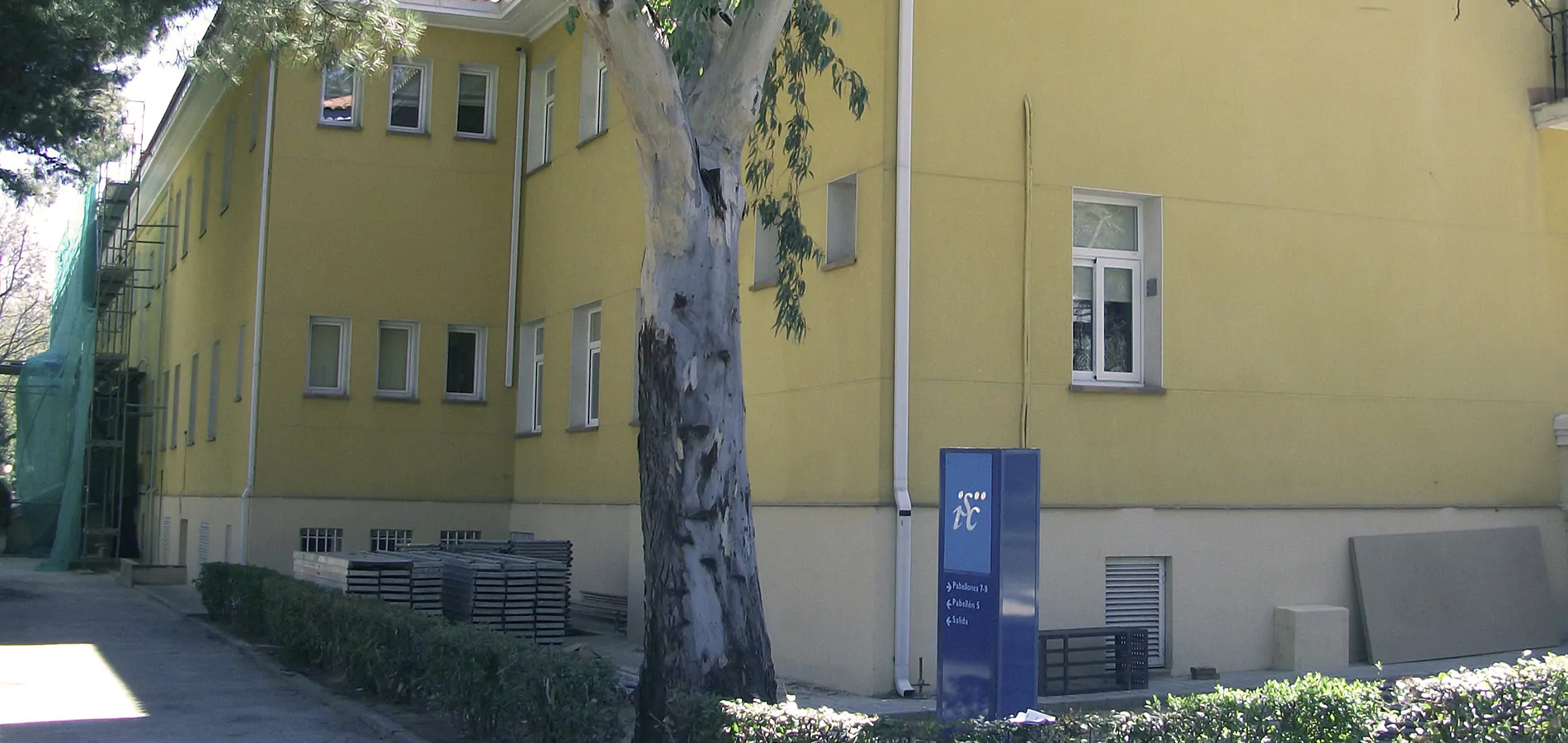
Refurbishment of Pavilion 12 of the Carlos III Health Institute
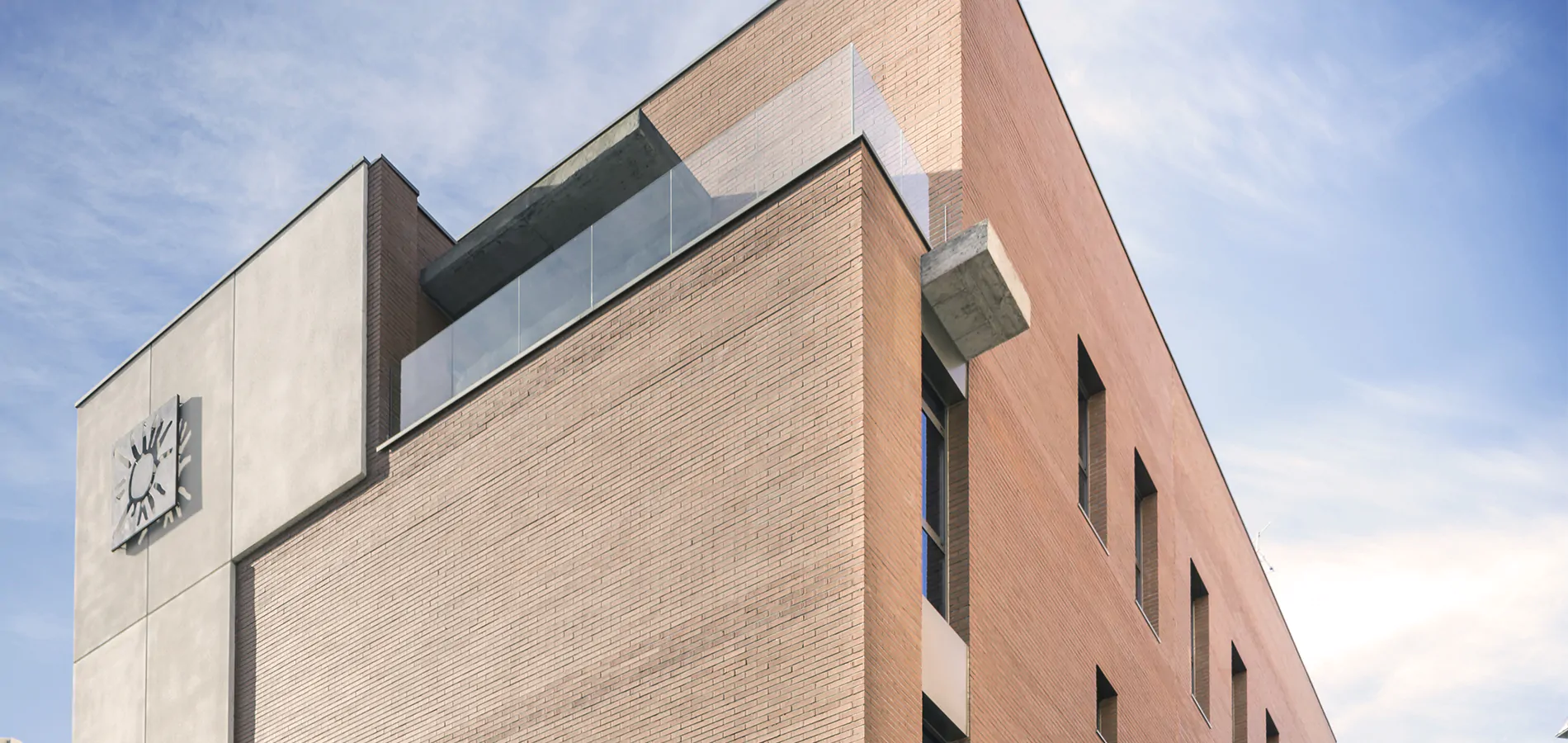
Alcalá de Henares Archaeological Museum
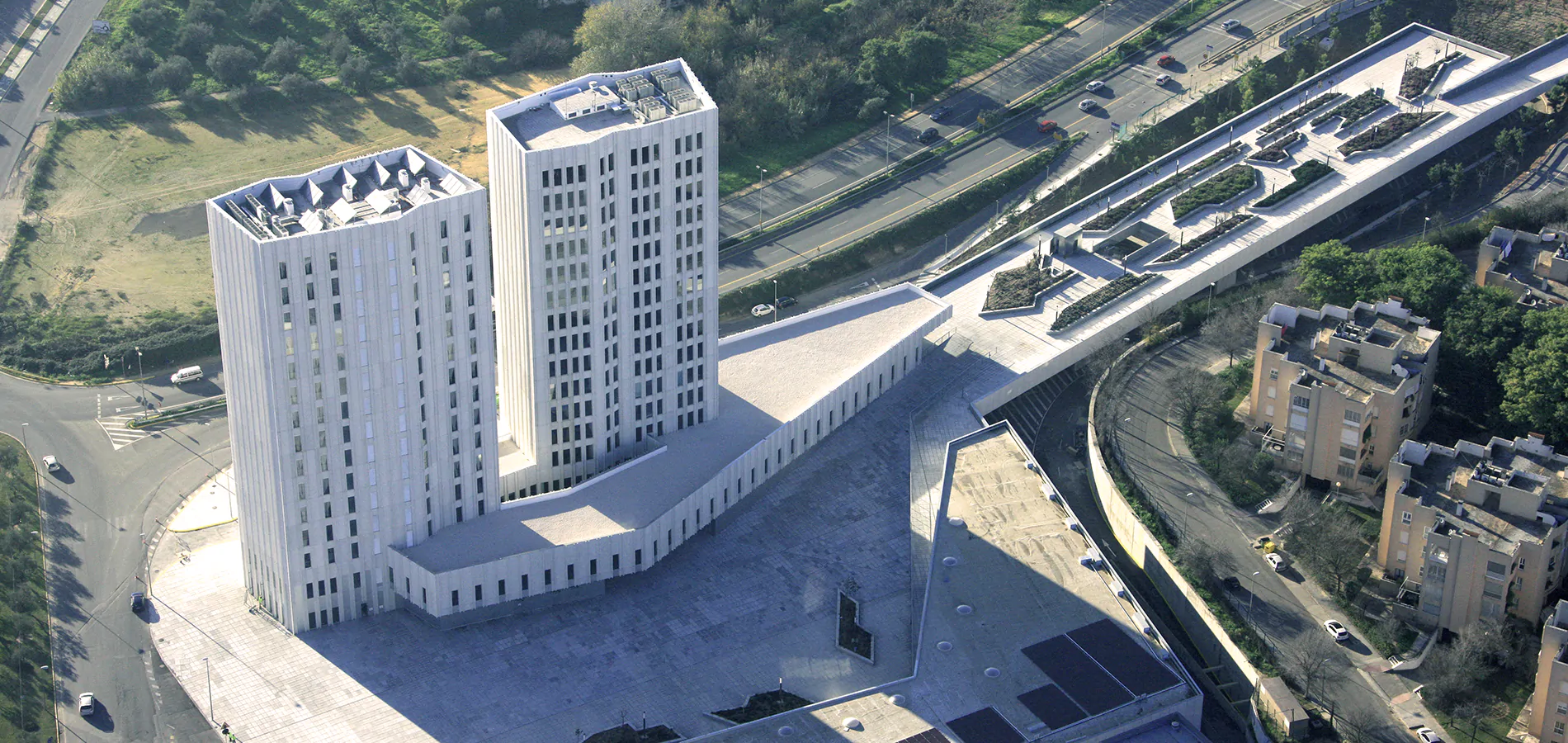
Aljarafe Central Complex
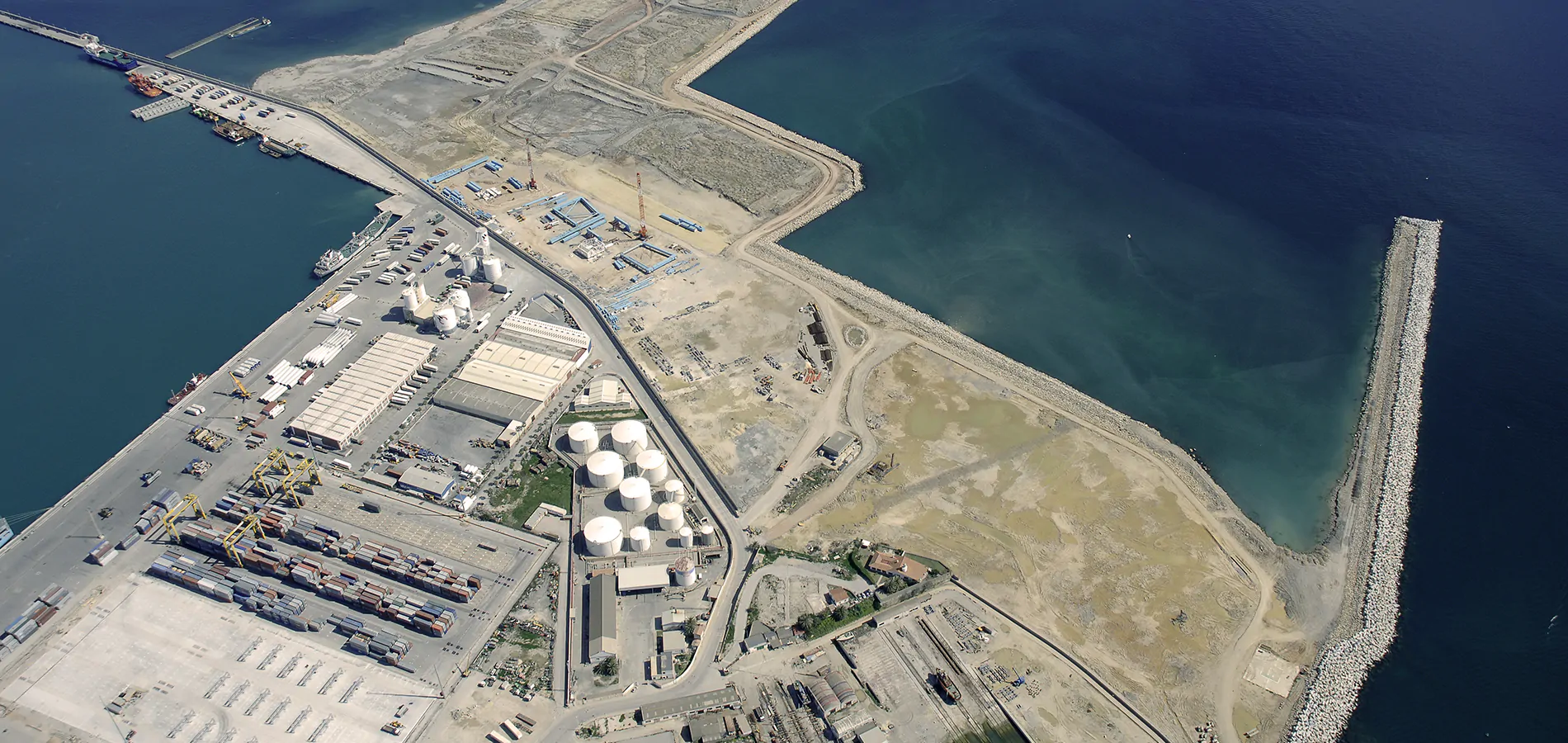
Maintenance of roads in the Bay of Algeciras
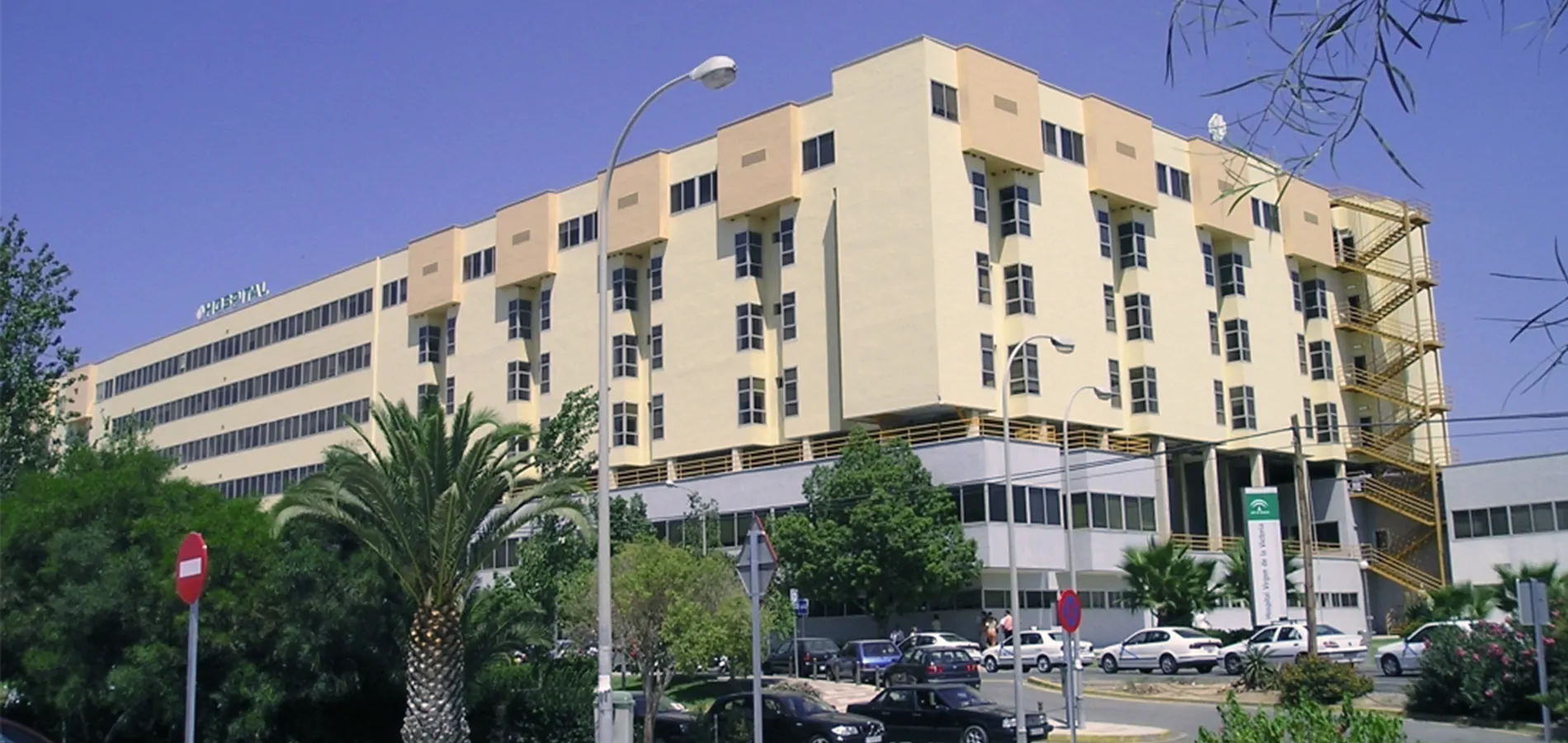
Hospital Virgen de la Victoria
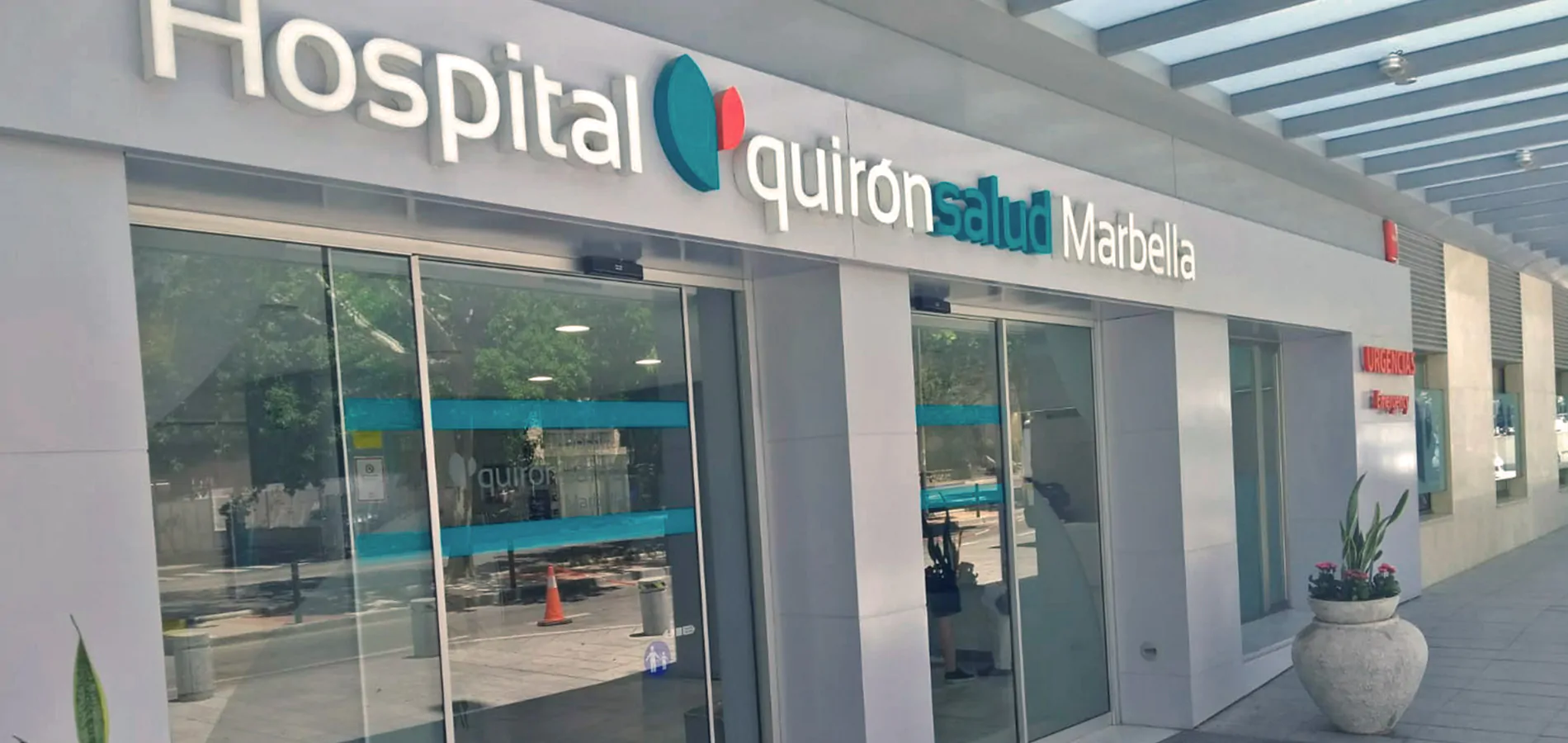
Hospital de Quirónsalud en Marbella
Guarantee of success in asphalting and pavement maintenance.
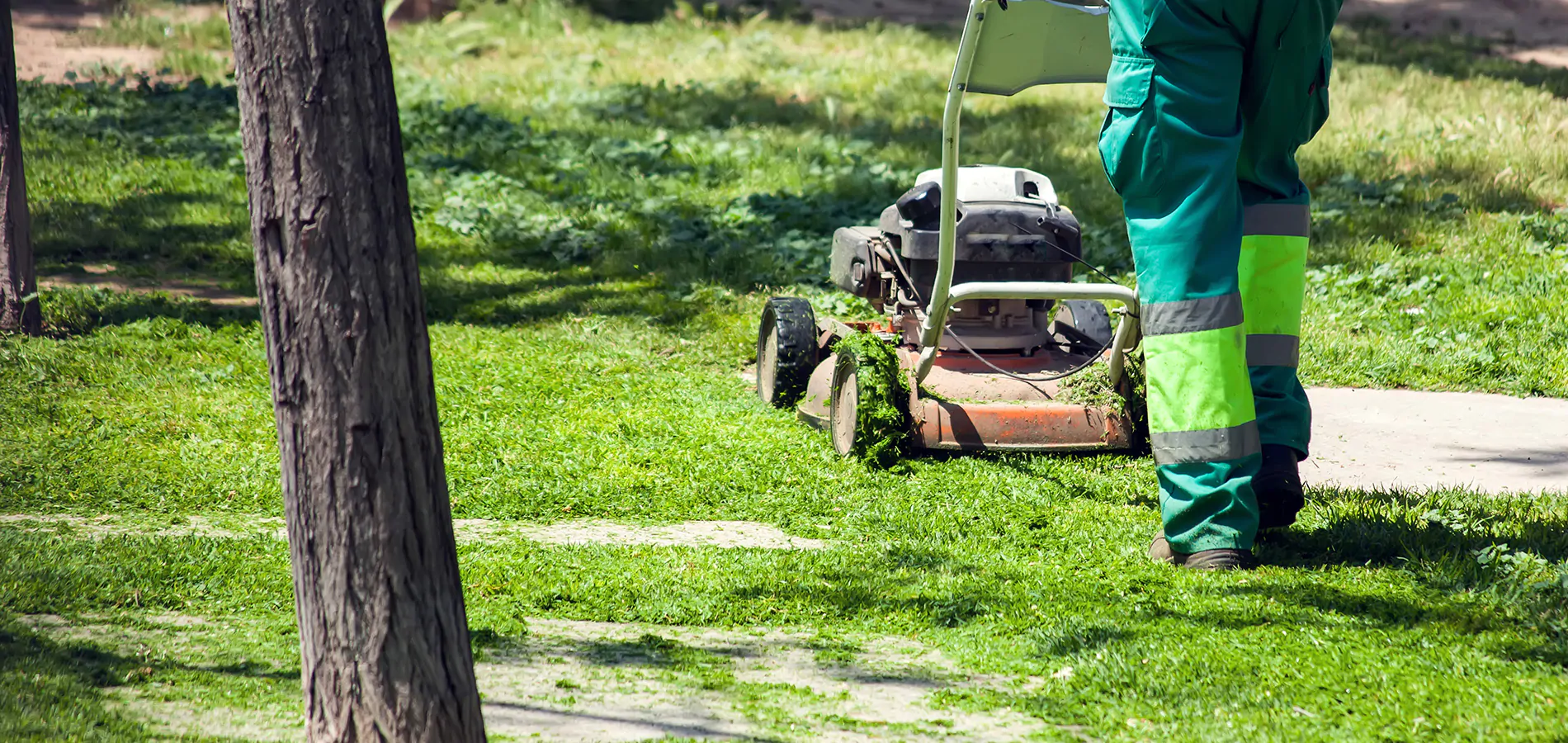

Sando Conservación y Energía
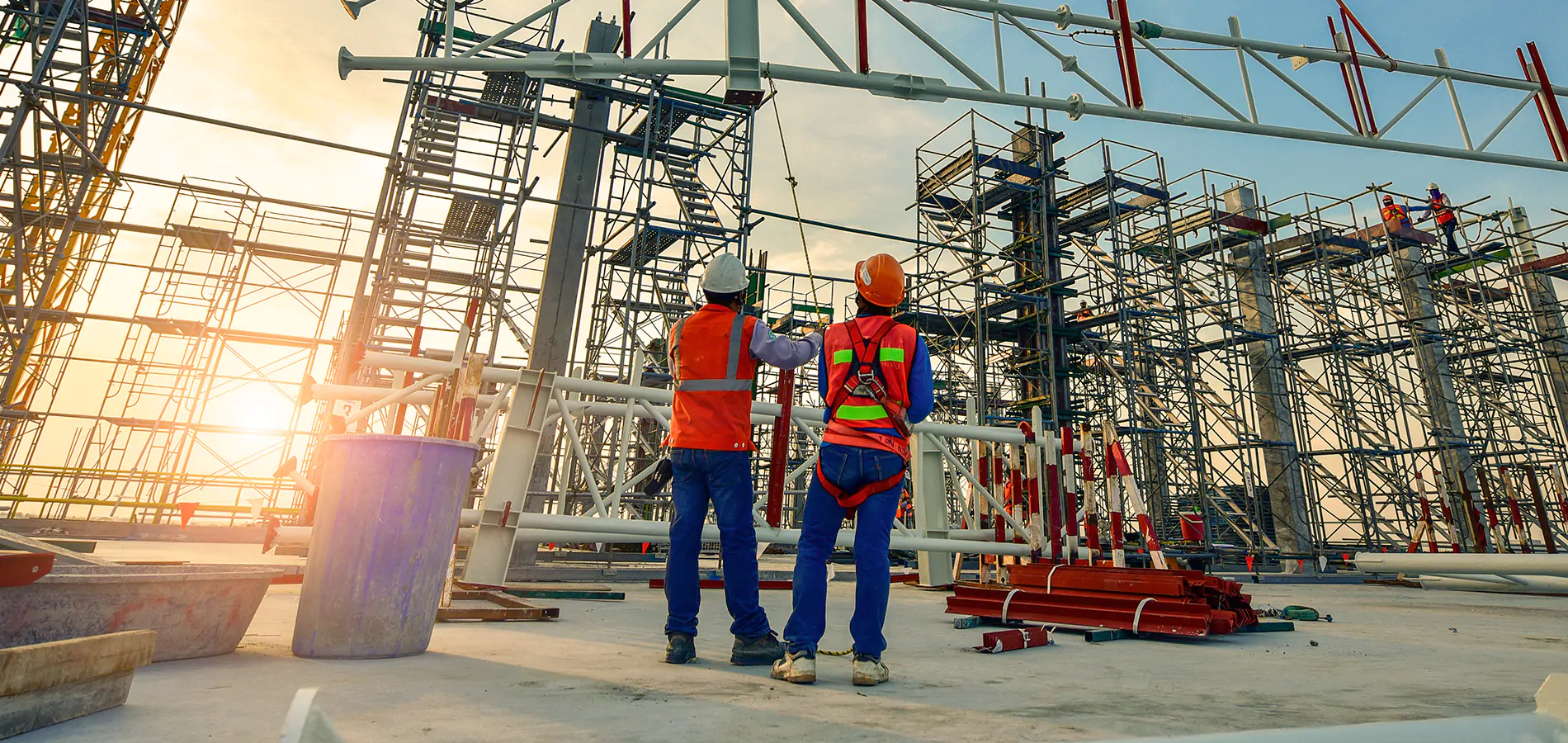

Sando Infraestructuras y Proyectos