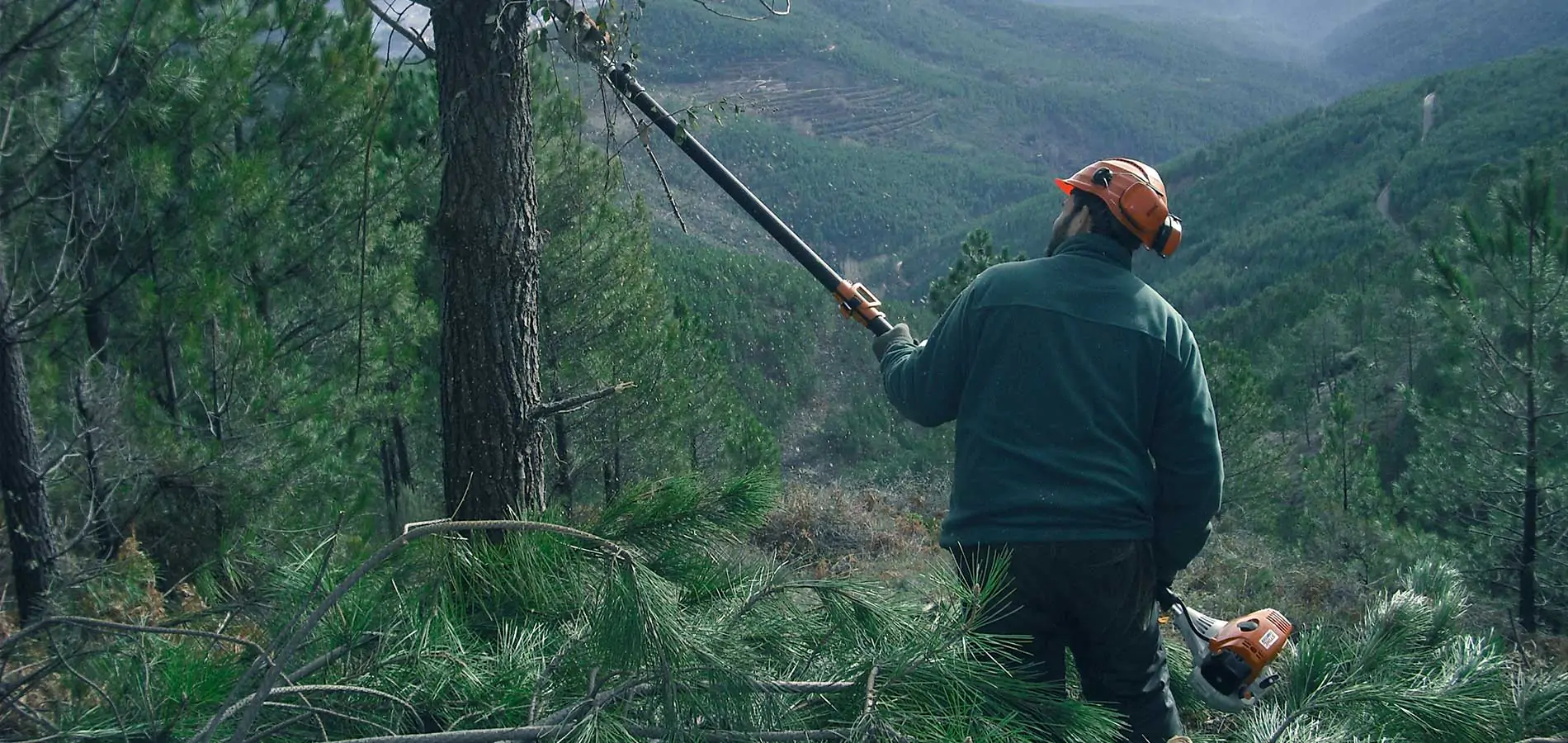
Sando Conservación y Energía structures its forestry activities around two main areas: silvicultural treatments and watercourse management works.
Forestry is an activity that has become particularly important in recent decades as a consequence of the climate emergency and the need to preserve forest ecosystems In its applications, it combines both technique and science through the application of methodologies for the management and sustainable use of forests and the study, analysis, and applicability of innovations in these operations.
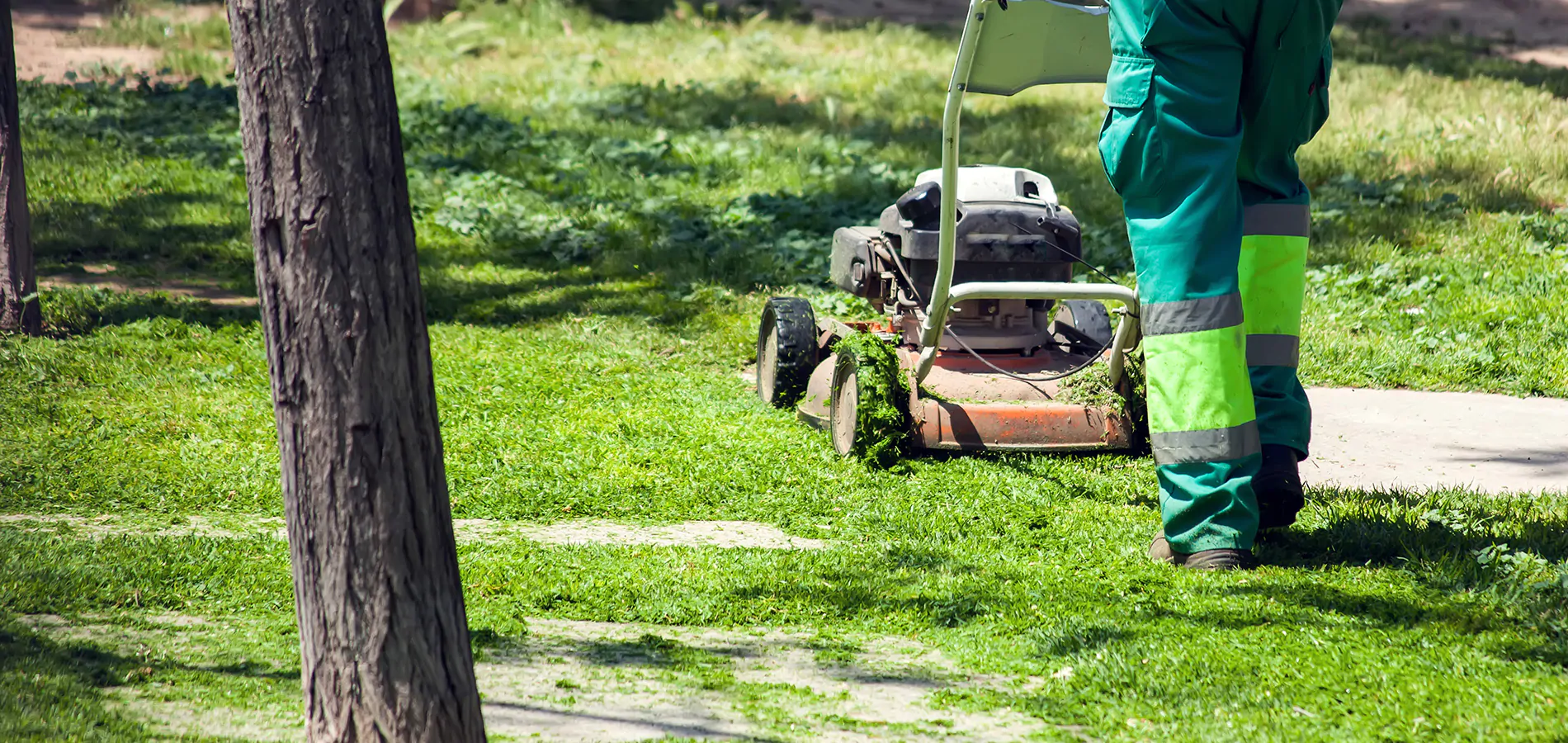
Sando Conservación y Energía carries out specific silvicultural treatments aimed at reducing wildfire risk and promoting forest regeneration. To achieve this, it applies different techniques depending on the type of forest stand involved, whether deciduous or evergreen forests, as well as forests originating from reforestation, afforestation, or natural regeneration. Among the tasks carried out are planning, implementing and monitoring activities for selecting tree species, protecting and preserving natural regeneration, planting, pruning, selective felling and maintaining the structure and diversity of the forest stands.
In addition, within its silvicultural activities, Sando Conservación y Energía plays a key role in forest regeneration, seeking to ensure the long-term productivity and sustainability of these areas by applying techniques and strategies that regulate regeneration, growth, quality, and species composition in order to obtain the greatest economic, environmental, and social benefits from these ecosystems.
On the other hand, the actions in watercourses aim to conserve and improve river environments, prevent erosion, ensure water quality and prevent disasters caused by river flooding. It is vital to restore, maintain and preserve watercourses given the increasing frequency of adverse events due to climate change.
Among the most common activities carried out by Sando Conservación y Energía in this area is vegetation management, improving the structure, composition, and density of riparian vegetation while preventing the accumulation of materials that could interfere with the water conveyance capacity of river channels during flood events. Actions are also carried out to improve the longitudinal and transversal continuity of the river to eliminate barriers and disused infrastructures that impede the natural flow of water and the transport of sediments.
Among other actions, the composition and structure of the river bed are also monitored to improve and recover it in the event of problems with deposited pollutants, excess sediment or lack of sediment.. Any of these problems erode the riverbed and have consequences for its survival, sustainability, and the ecosystems it supports. Likewise, actions are carried out to replant riverside vegetation that has disappeared or is significantly degraded to maintain the riverbanks in a natural state.
Forestal
Preserving natural environments to protect our ecosystems
Forestal
We restore and maintain unique biodiversity sites and carbon sinks for neighbouring populations.
We offer silvicultural treatment solutions in forests that seek long-term sustainability or regeneration after damage by various causes, such as fire Through Sando Conservación y Energía, we also contribute to the preservation and maintenance of river environments, helping to prevent alterations to river channels and the resulting environmental and social impacts on local communities.
Our experience in forestry
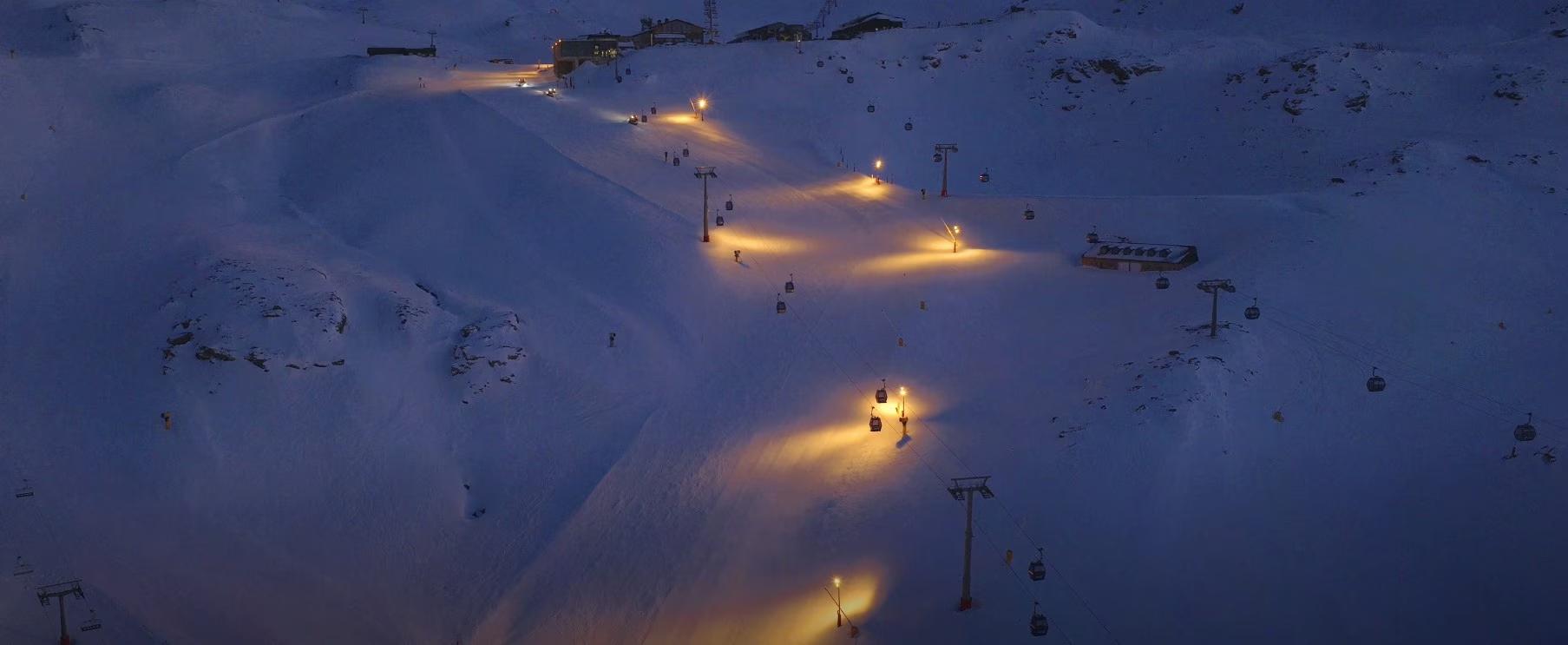
Comprehensive renovation of the LED lighting of the ski slopes of Sierra Nevada
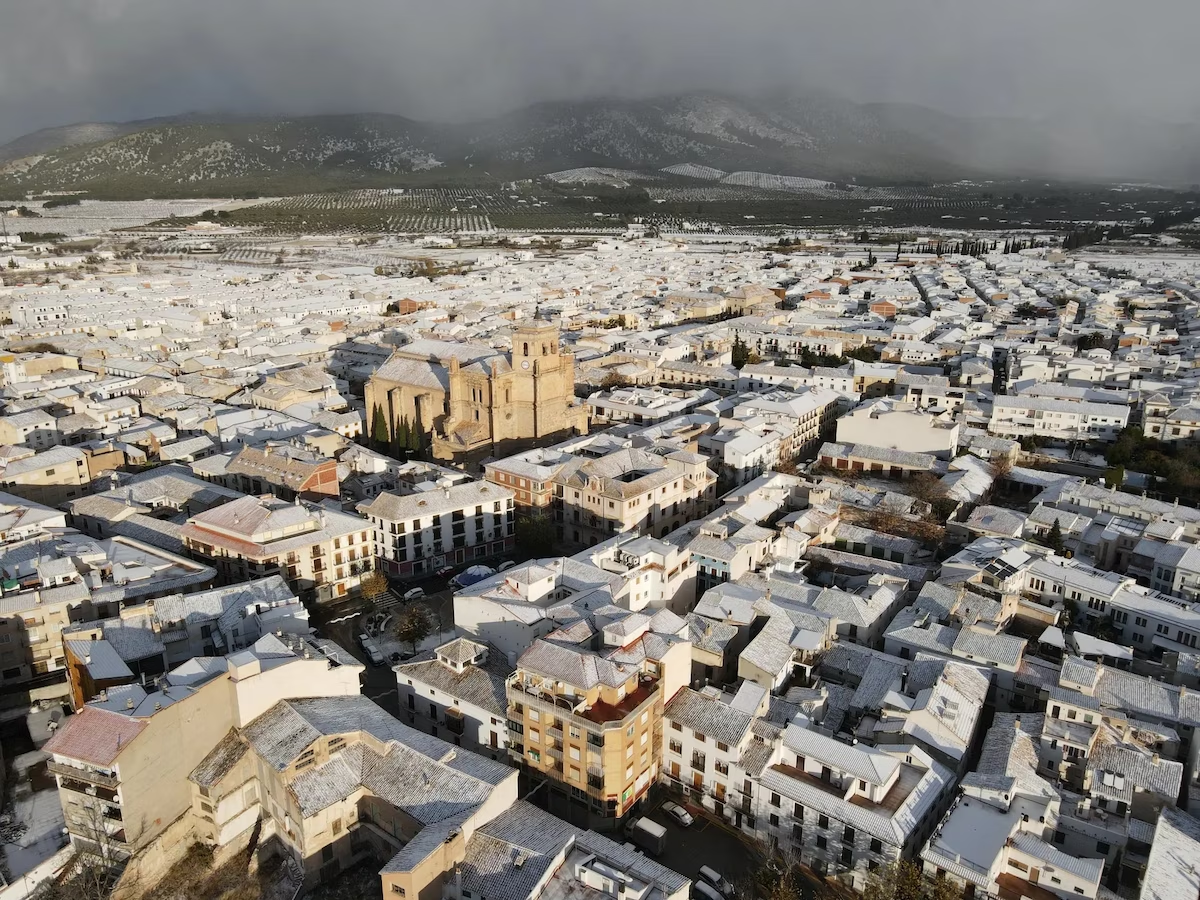
Comprehensive renovation service for LED public lighting in Huéscar
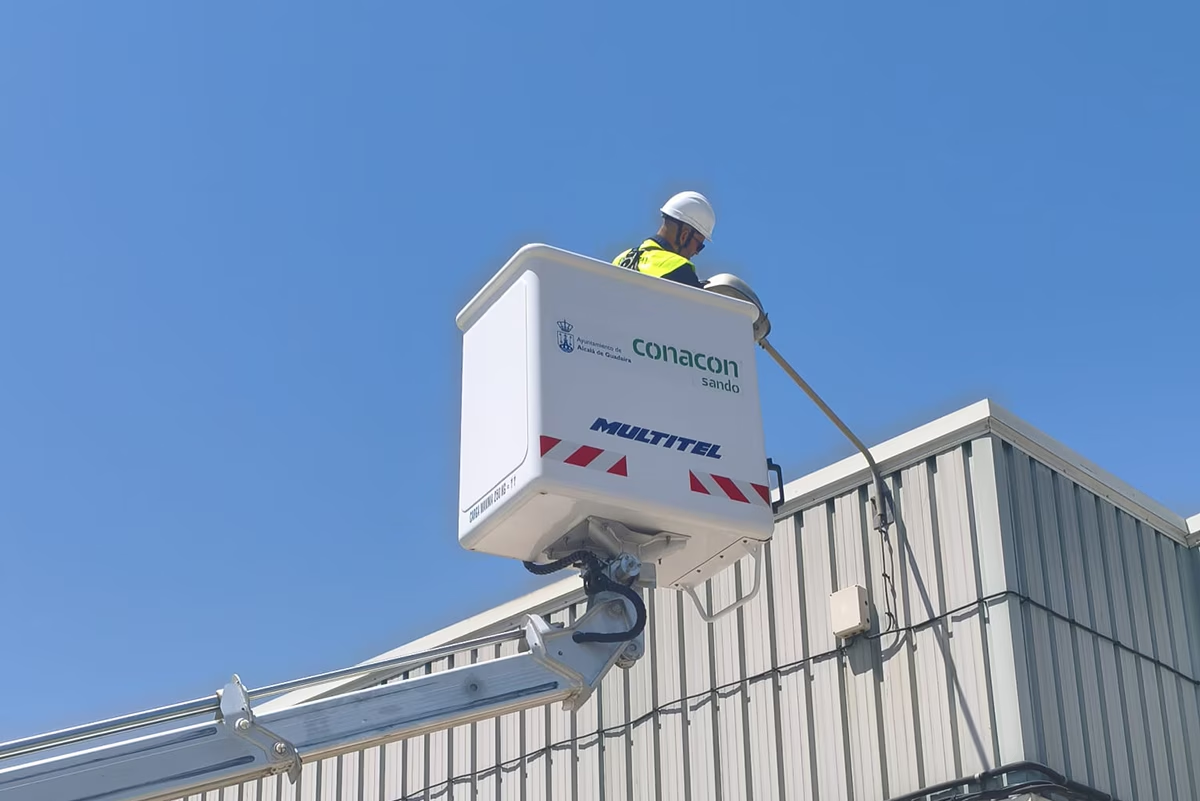
Public lighting maintenance service in Alcalá de Guadaíra
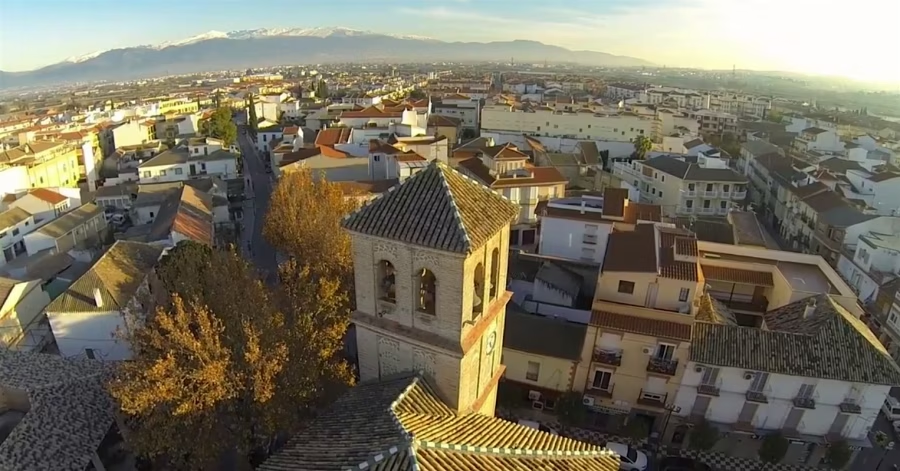
Comprehensive Renovation of the Street Lighting System in Cúllar Vega
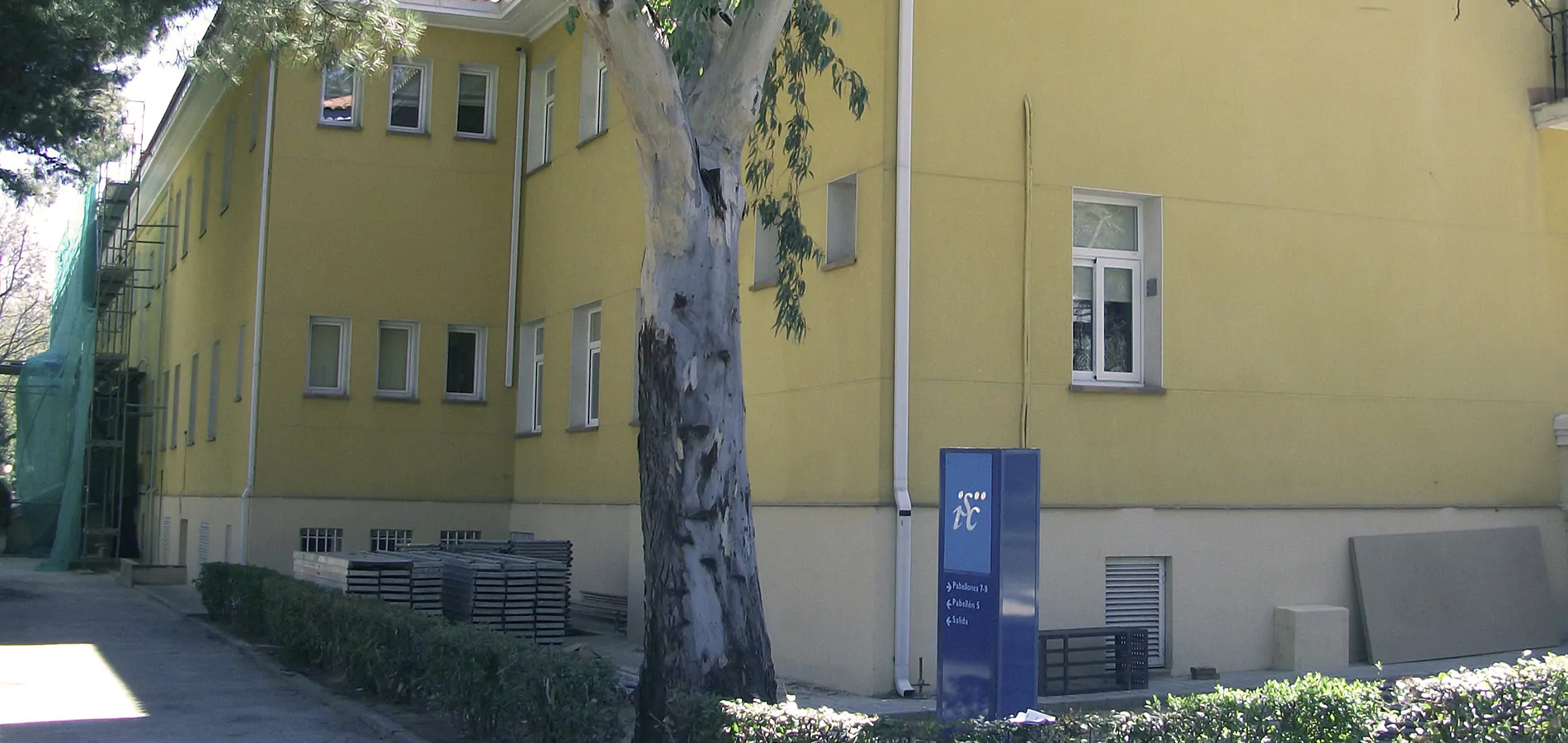
Refurbishment of Pavilion 12 of the Carlos III Health Institute
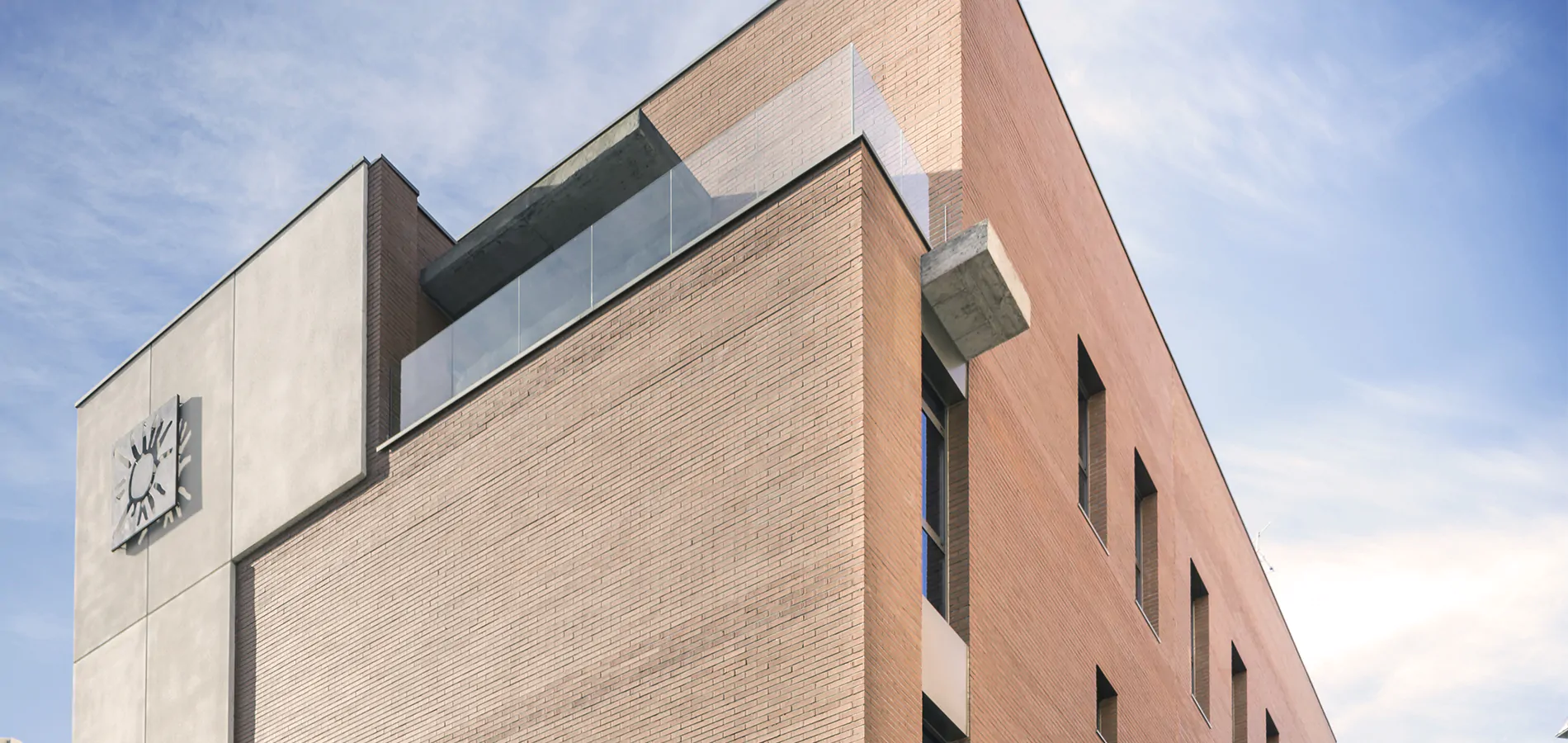
Alcalá de Henares Archaeological Museum
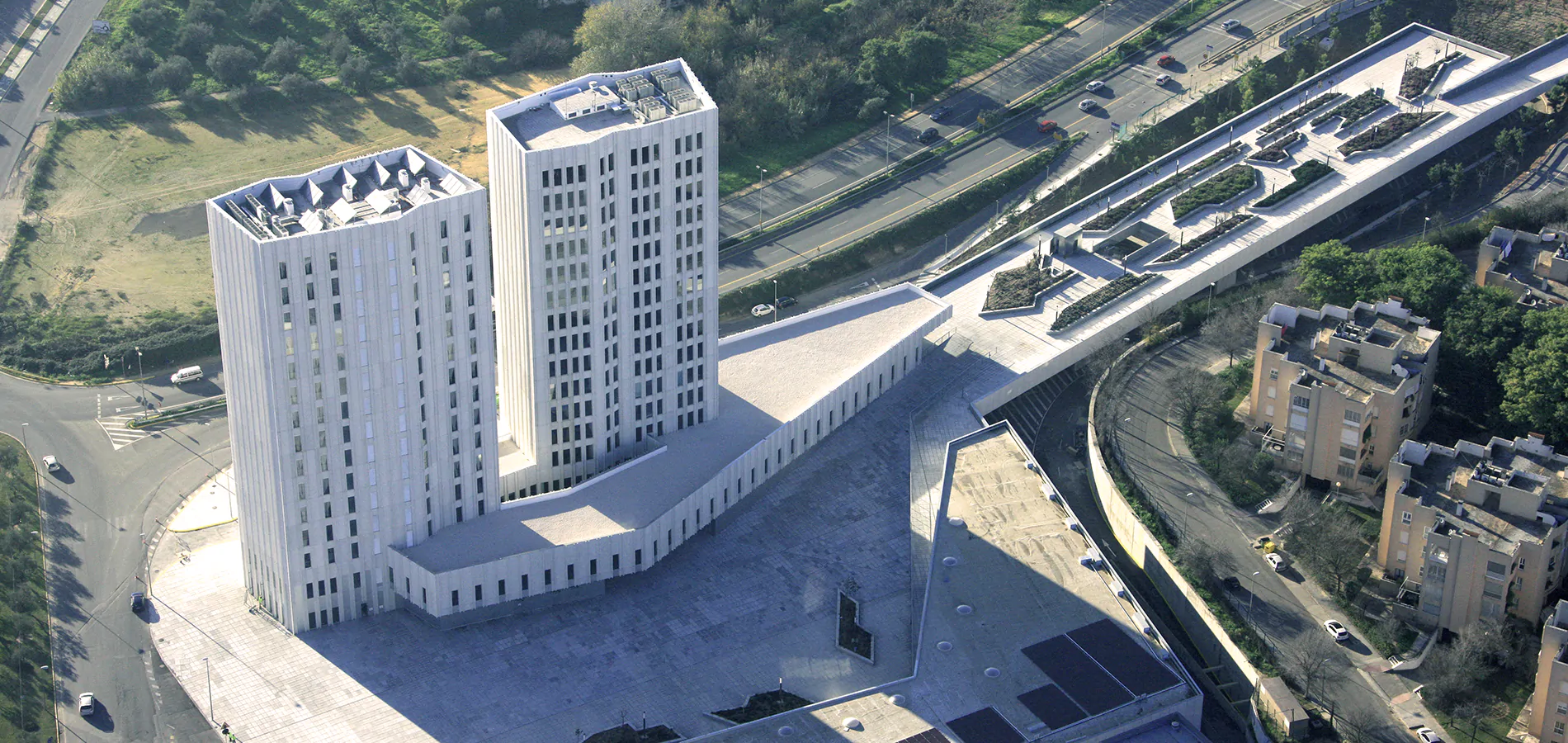
Aljarafe Central Complex
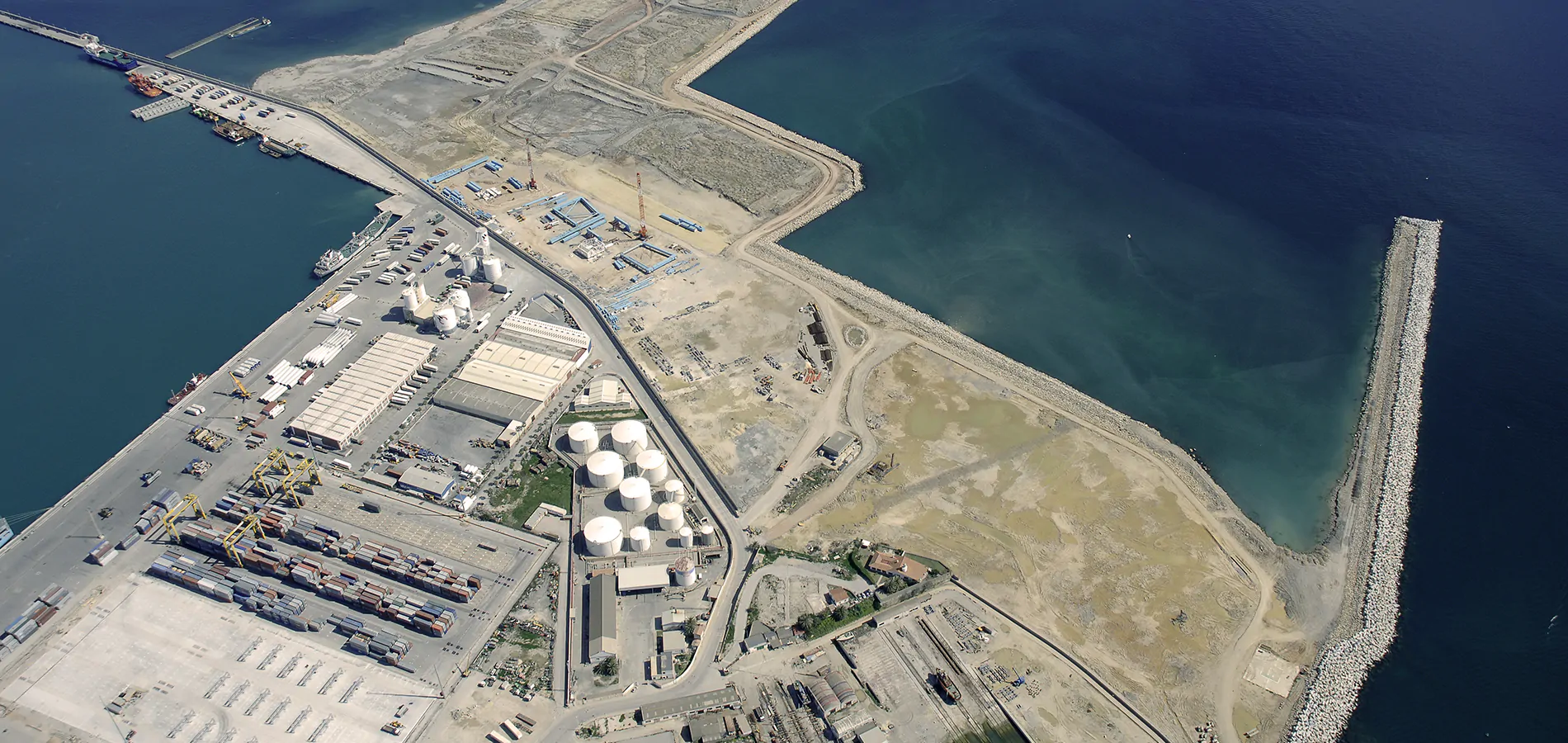
Maintenance of roads in the Bay of Algeciras
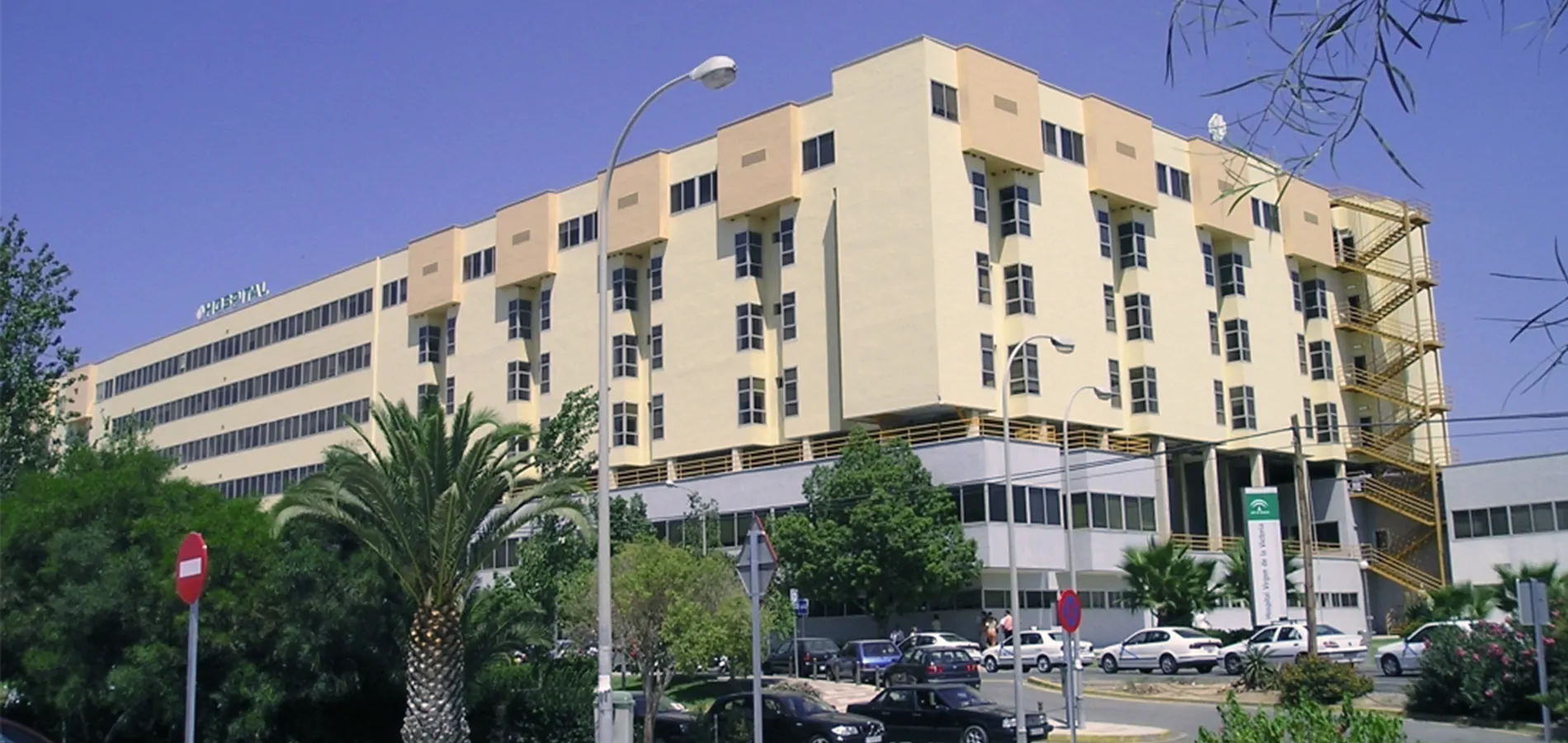
Hospital Virgen de la Victoria

Hospital de Quirónsalud en Marbella